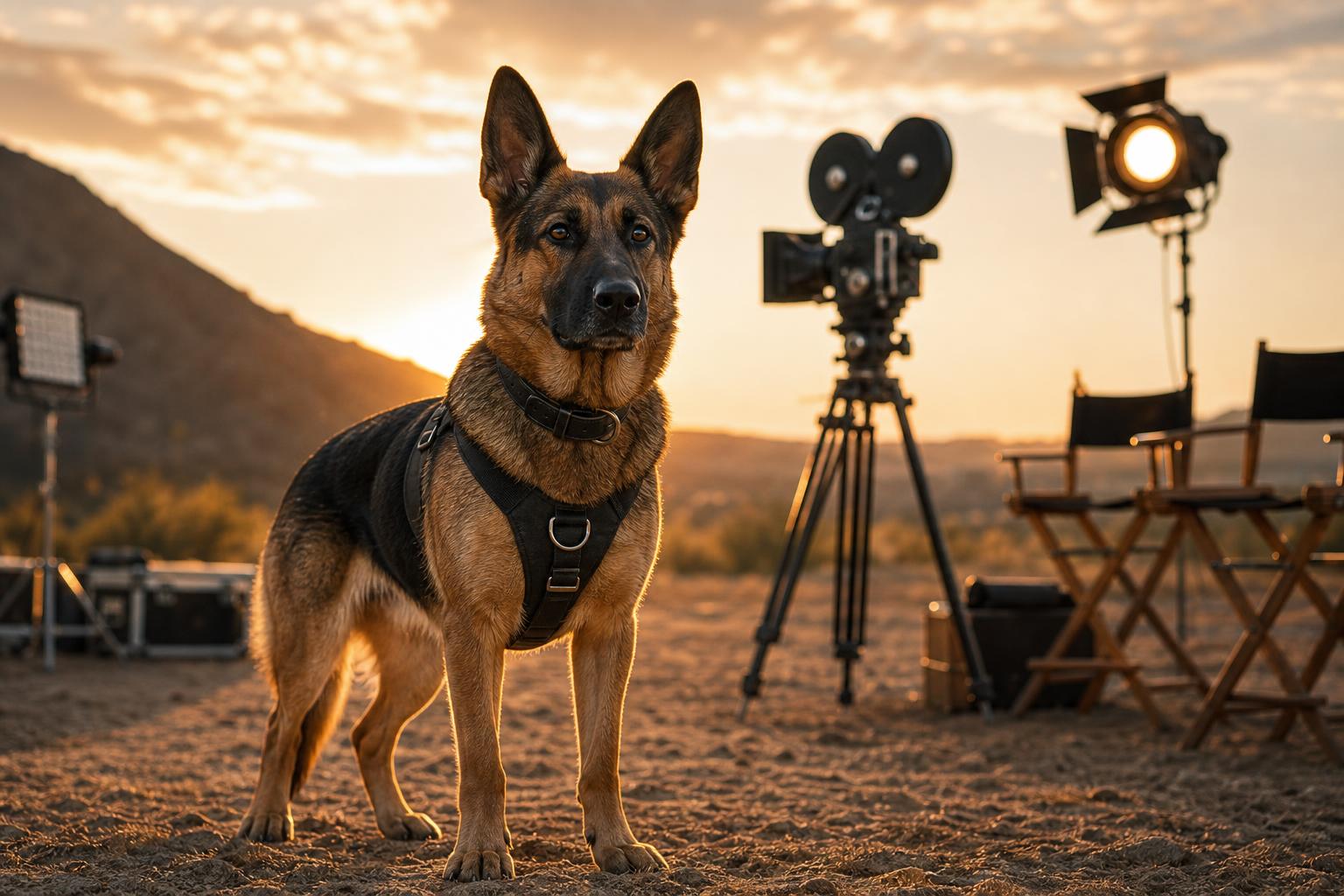
A dog’s performance on screen is shaped by training, filming, and editing. Stories about famous movie dogs can be entertaining, but owners need to separate the character from the animal’s actual preparation and care. The useful lessons concern the work behind the scene.
For dog owners interested in working dogs, these famous movie dogs are more than nostalgia. They are reminders of what canine instinct, discipline, and partnership can look like when it is shaped the right way. Hollywood has always polished the edges, no question about that, but underneath the drama there is often a real foundation of breed purpose, trainability, and grit.
Why Working Dogs Matter on Screen
A dog in a movie is never just scenery if the role is done right. Working dogs bring stakes into a story. A horse can carry a rider and a truck can haul gear, but a dog adds judgment, trust, and heart. That is why audiences keep remembering them long after they forget half the human cast. These dogs represent loyalty under pressure, and that plays true whether the setting is a ranch, a war zone, a city street, or a wilderness trail.
From a trainer’s point of view, what makes these performances impressive is not just that the dog hit a mark or looked into the camera on cue. It is that many of these canine stars were selected because they carried the traits that define real working animals. Nerve, focus, biddability, confidence, and the ability to recover from stress all matter in life and on film. A flashy dog with no substance may look good for a minute, but it will not hold a scene and it will not hold a job.
Lassie and the Enduring Image of the Farm Dog Hero
When folks talk about famous working dogs in movies, Lassie usually comes up first, and for good reason. Lassie became one of the clearest examples of the intelligent, protective farm and family dog in film history. Though people often remember the name more than the details, the character was rooted in the rough-coated collie tradition, a dog bred to think, move livestock, watch the land, and stay close to people.
On screen, Lassie was always more than obedient. That dog seemed to understand danger before anyone else did. Whether the script called for finding help, guarding a child, or navigating rough country, Lassie represented the kind of dog every landowner wishes for: dependable, alert, and brave without being reckless.
Of course, no dog spends its day solving one emergency after another, and film made the collie seem almost supernatural at times. Still, the appeal came from something real. Collies and similar herding breeds are sharp-minded dogs that bond hard with their people. They notice patterns, react to movement, and often seem one step ahead when they are well handled. Lassie worked because audiences recognized a real canine truth buried inside the dramatics.
What Lassie Still Teaches Modern Dog Owners
Lassie helped shape public ideas about the ideal family working dog, but there is a lesson here that many first-time owners miss. A smart dog is not easy by default. Intelligence without direction can be a problem in the house and a nuisance in the yard. The kind of dog that can shine in a demanding role needs structure, exercise, and steady expectations. That was true on the set, and it is just as true at home.
Rin Tin Tin and the Rise of the Canine Action Star
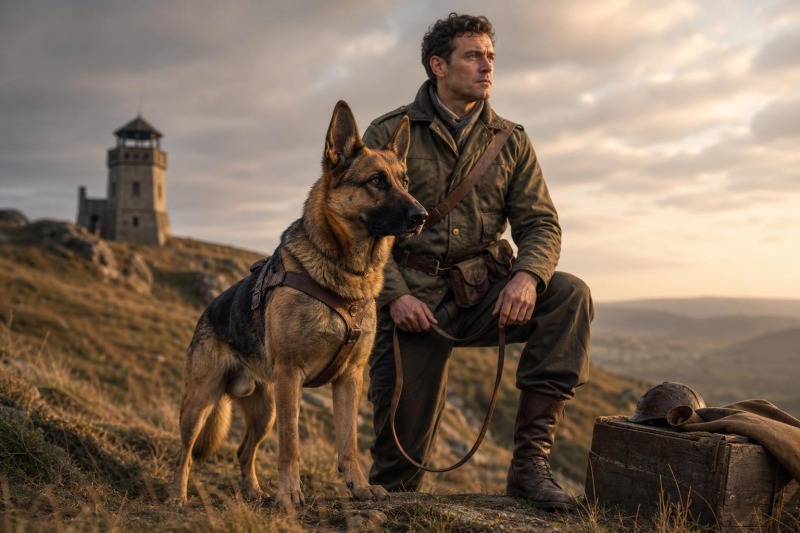
If Lassie was the noble farm hero, Rin Tin Tin was the tough working dog who brought raw capability to the screen. The original Rin Tin Tin, a German Shepherd rescued from a World War I battlefield, became one of the biggest animal stars in cinema. He did not just appear in movies. He helped define what a powerful, responsive working dog looked like to the public.
German Shepherds were still cementing their image in the American mind, and Rin Tin Tin gave the breed a reputation for courage, athleticism, and intelligence. In film after film, he vaulted obstacles, outwitted villains, and showed the kind of physical control that comes only from deep training and natural ability. Folks saw a hero, but trainers saw a dog with exceptional nerve and work ethic.
That reputation has stuck for generations. To this day, when people picture a classic protection or service-capable working dog, many still imagine a Shepherd first. Movies did not create the breed’s strengths, but they sure put them where the whole country could see them.
The Real Working Dog Behind the Legend
What made Rin Tin Tin believable was that German Shepherds were bred for serious utility. They are not decorative dogs. At their best, they are balanced workers with drive, trainability, and a willingness to engage both mentally and physically. The lesson for owners is plain enough: famous screen dogs were successful because they were built for a purpose. Picking a breed based only on admiration, without understanding that purpose, is where disappointment often begins.
Old Yeller and the Grit of a True Utility Dog
Old Yeller remains one of the most emotionally powerful dog films ever made, and a big reason is that the dog feels believable. He is not polished like a parade dog and not refined like a kennel champion. He is rough around the edges, independent, useful, and full of heart. In other words, he comes across like the kind of ranch dog that has earned his keep the hard way.
That role matters because it reflects a side of working dogs that dog owners still admire today. Not every useful dog is a specialist. Some are all-around hands, helping where needed, guarding stock, warning off predators, and standing beside the family through hard country and lean times. Old Yeller captured that frontier utility better than most movie dogs ever have.
The character also reminds us that a good working dog is often shaped by life as much as by commands. Exposure, adversity, and experience make a dog. Training matters deeply, but so does the chance to solve problems, move through real environments, and learn under guidance instead of being wrapped in cotton.
Beethoven, Hooch, and the Big-Dog Working Image
Not every famous movie dog worked in the strict field sense, but several films helped people appreciate breeds with strong historical working roots. Beethoven, the Saint Bernard, brought attention to a breed long associated with alpine rescue and endurance in harsh weather. Turner & Hooch did something similar for the Dogue de Bordeaux, showing a powerful mastiff type whose slobber and size were played for laughs, but whose loyalty and physical presence carried the story.
These dogs were presented through a family or buddy-comedy lens, yet the bones of their working heritage still showed. Saint Bernards were bred for difficult mountain conditions. Mastiff breeds were developed for guarding, holding, and imposing control through sheer substance. Even in lighter films, those traits came through in the way the dogs occupied space and related to their people.
For modern owners, the takeaway is important. A breed’s original job often still lives in the temperament. You may not ask a Saint Bernard to cross a snowy pass or a mastiff to guard an estate, but their instincts, sensitivities, and physical needs do not disappear because they now sleep on the couch.
Military and Police Dogs in Film
Movies that feature military dogs, police K9s, or search dogs tend to hit a different nerve. These stories tap into the part of working dog culture built on discipline, courage, and partnership under real pressure. Whether the film is based on true events or not, the best ones show something handlers respect: the dog is not a sidekick. The dog is a working partner with a defined role.
That distinction matters. In real service work, a dog’s success depends on clear communication, repetition, trust, and the handler’s ability to read subtle changes in behavior. Good films capture at least a shadow of that relationship. They show that a working dog is not merely following orders. The dog is processing scent, movement, body language, terrain, and human emotion all at once.
When these films get it right, they also remind dog owners that reliability is built, not wished into existence. The dogs that seem fearless on screen got there through careful development, exposure, and consistency. There is no shortcut to that kind of steadiness.
What Hollywood Gets Right and Wrong About Working Dogs
Movies often compress training into a montage, skip over the repetition, and make instinct look effortless. A dog appears to understand a situation on the first try, then executes with perfect timing. That is clean storytelling, but it is rarely how the real thing goes in the field or on the training ground.
Still, Hollywood gets one big thing right more often than not. The bond is real. A working dog does not just obey because food is involved. The finest dogs work out of relationship, clarity, and confidence. They trust the handler, and the handler learns to trust them right back. That mutual confidence is what makes the best movie dogs memorable, because viewers can feel it even if they cannot name it.
Choosing Inspiration Over Imitation
There is no harm in admiring famous working dogs in movies, but smart owners know better than to chase a fantasy. A screen dog can inspire you to appreciate trainability, loyalty, and breed purpose. It should not convince you that any high-drive dog will fit any household. The better question is not which movie dog you like best. It is which kind of dog matches your life, your experience, and the work or activity you can honestly provide.
Why These Famous Working Dogs Still Matter
The best movie dogs endure because they connect to something old and reliable in people. We still want a dog that warns us, watches over the young, stays close in rough weather, and stands up when it counts. Whether it is Lassie racing for help, Rin Tin Tin clearing a jump, or Old Yeller facing danger with nothing but grit, each one speaks to a real respect for canine usefulness.
For dog owners interested in working dogs, that is where the value lies. These films are not just entertainment. They are a doorway into understanding how breeds were shaped, why training matters, and what makes a dog truly dependable. Strip away the music, the camera angles, and the scripted danger, and the heart of it remains the same as it has always been in camp, on the farm, and in the field. A good dog with a job is one of the finest sights a person will ever see.