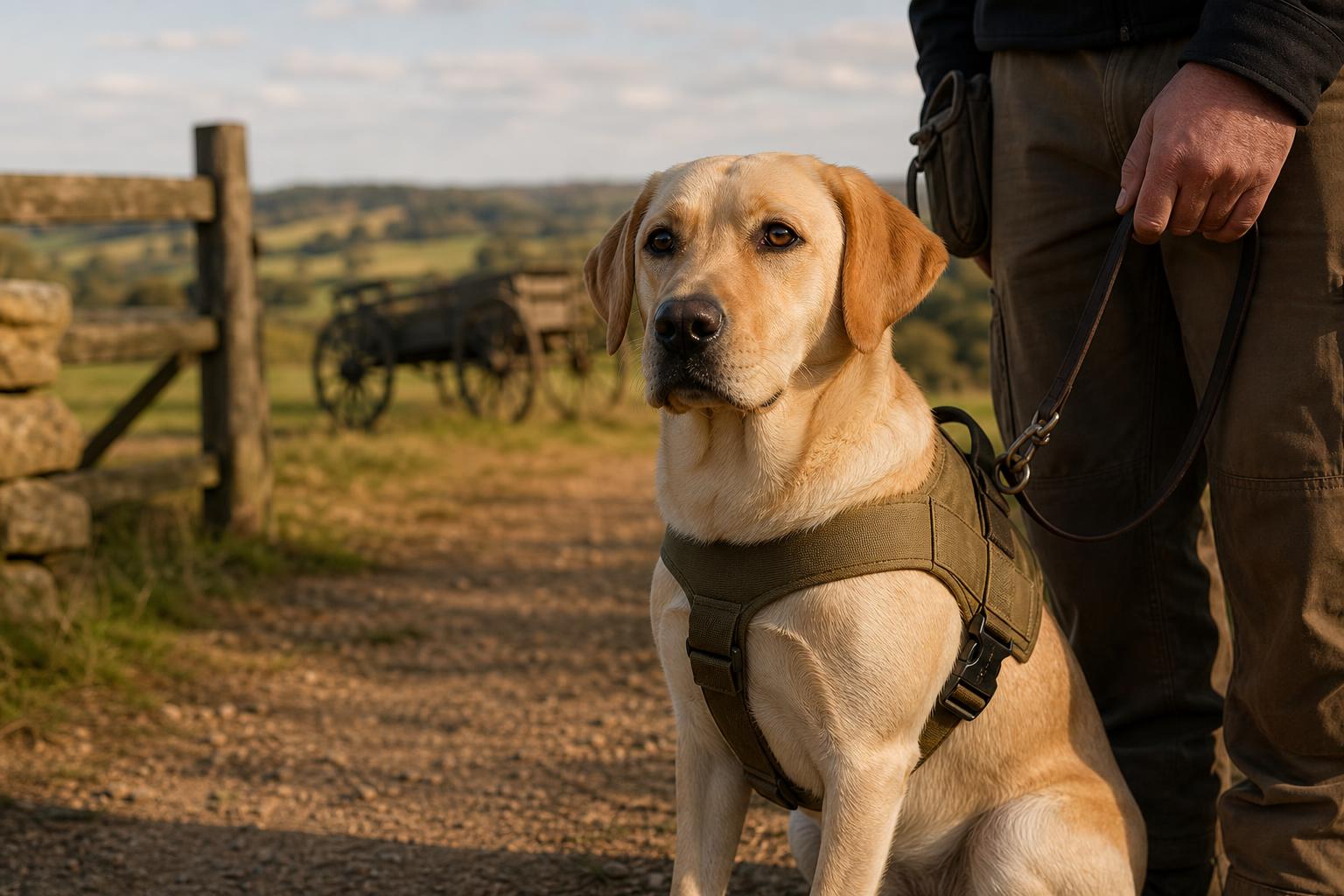
Service-dog programs developed as training methods and ideas about assistance changed. The tasks, placement systems, and support offered to handlers evolved along with them. Historical claims are strongest when tied to particular programs and records.
The evolution of service dogs is really the story of that partnership maturing over time. What began as instinct, loyalty, and close companionship gradually became a formalized system of training, selection, and public understanding. Today, service dogs help people navigate blindness, mobility challenges, medical conditions, psychiatric disabilities, and more. But to appreciate where these dogs stand now, it helps to look back at the long trail behind them.
The Early Roots of Working in Service to People
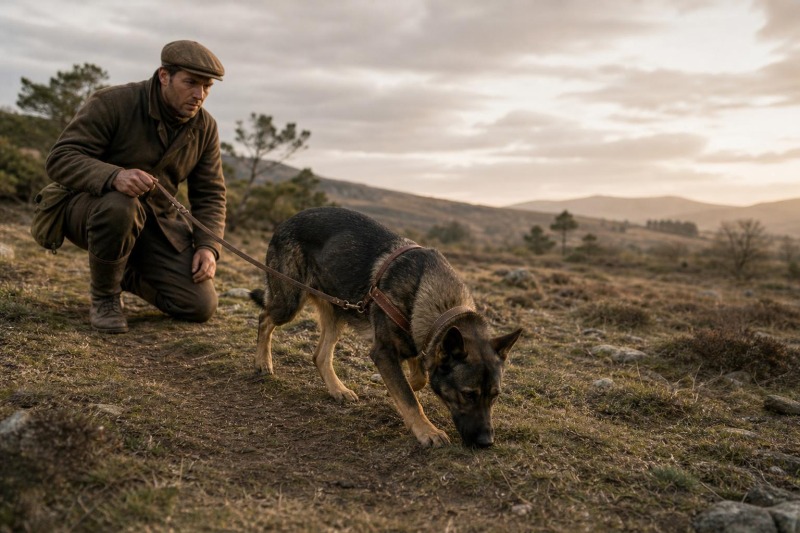
Long before service dogs were identified by law or recognized in public spaces, dogs were already helping people survive. Early human communities leaned on dogs for protection, tracking, hauling, guarding camp, and warning of danger. In practical terms, dogs were among the first working partners humans ever had. A dog that could alert to movement in the dark or guide a person through rough country was no small advantage.
It does not take much imagination to see how those early abilities laid the groundwork for service work. A person with poor vision could benefit from a dog’s awareness. Someone weakened by illness or injury could rely on a dog’s steadiness and instinct to stay close. These were not formal service roles by modern standards, but the seeds were there. Dogs were already filling gaps where human senses or strength came up short.
Across centuries, stories and records show dogs assisting wounded soldiers, supporting blind handlers, and serving as close companions to people with physical limitations. In most cases, the work was informal, shaped by necessity more than organized training. Still, the pattern kept repeating because the canine mind is well suited to it. Dogs are observant, responsive, and deeply invested in human behavior. They notice change, movement, routine, and emotion in ways that make them uniquely capable helpers.
How Guide Dogs Helped Shape the Modern Service Dog
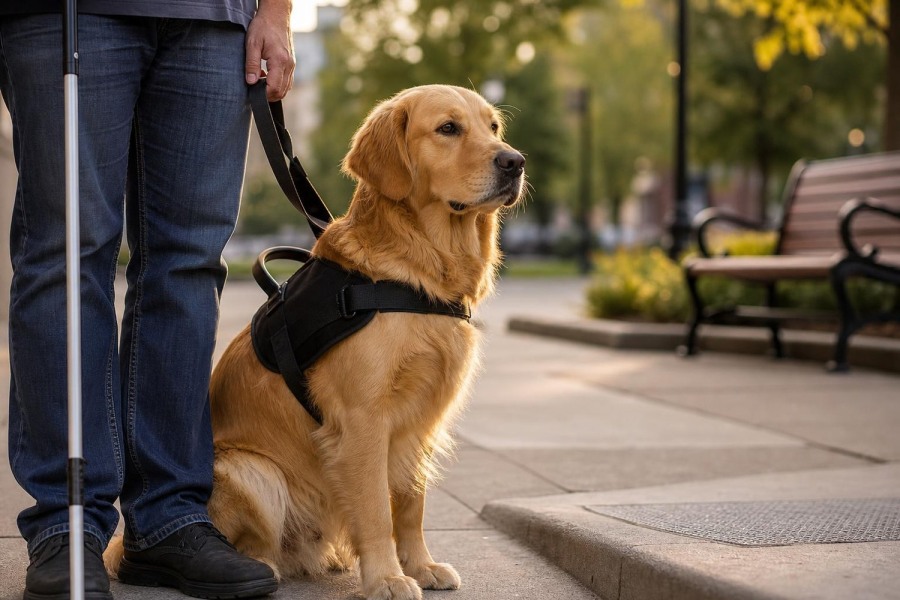
If one chapter truly pushed service dogs into a more structured era, it was the development of guide dogs for the blind. After World War I, large numbers of soldiers returned home with vision loss, and the need for practical support became impossible to ignore. Trainers began refining methods to teach dogs not simply to walk beside a person, but to actively guide them around hazards, stop at curbs, and make safe choices in busy environments.
That was a major shift. A dog was no longer just accompanying someone. The dog was being taught intelligent responsibility. In the field, we might call that a dog learning to think within the job instead of merely obeying command after command. A finished gun dog does something similar when it adapts to scent, wind, cover, and terrain while still honoring its handler. Guide dogs brought that same idea into public life with life-changing consequences.
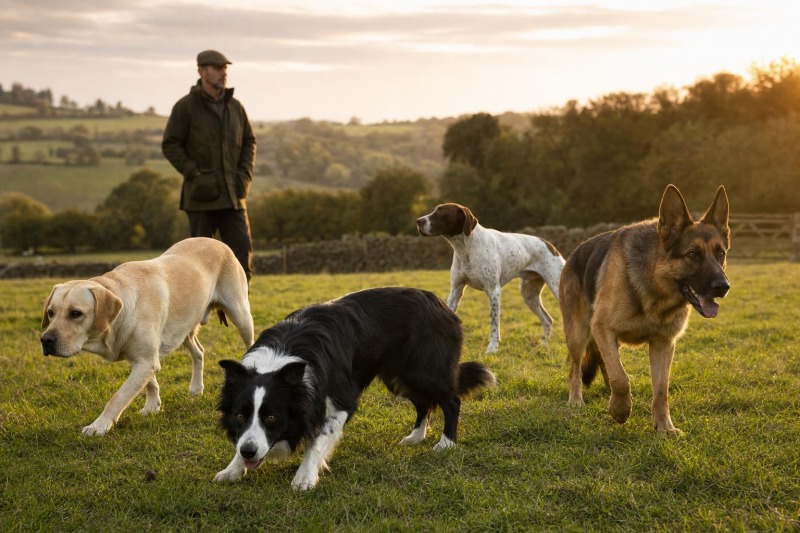
Schools dedicated to guide dog training emerged in Europe and later in the United States, and standards improved with each generation. Trainers learned more about selecting dogs with stable nerves, sound structure, willingness to work, and the kind of calm confidence that cannot be faked. Breeds such as German Shepherds, Labrador Retrievers, and Golden Retrievers rose to prominence because they combined trainability with steady temperament and physical capability.
Why Temperament Became Everything
Anyone who has handled dogs long enough will tell you that talent without steadiness is a gamble. Service work demands more than intelligence. A dog must stay composed in crowds, ignore distractions, recover quickly from surprises, and remain tuned to one person above all else. That is asking a lot from any animal. It takes thoughtful breeding, careful socialization, and patient training to produce a dog that can carry that load day after day.
As service dog programs expanded, temperament became the cornerstone. Trainers started looking not only at what a dog could do, but how the dog handled pressure, novelty, noise, uneven footing, and prolonged focus. Those same traits matter in many working disciplines, but in service work the stakes are deeply personal. A missed cue can mean a fall, a medical emergency, or a shattered sense of confidence for the handler.
The Expansion Beyond Guide Work
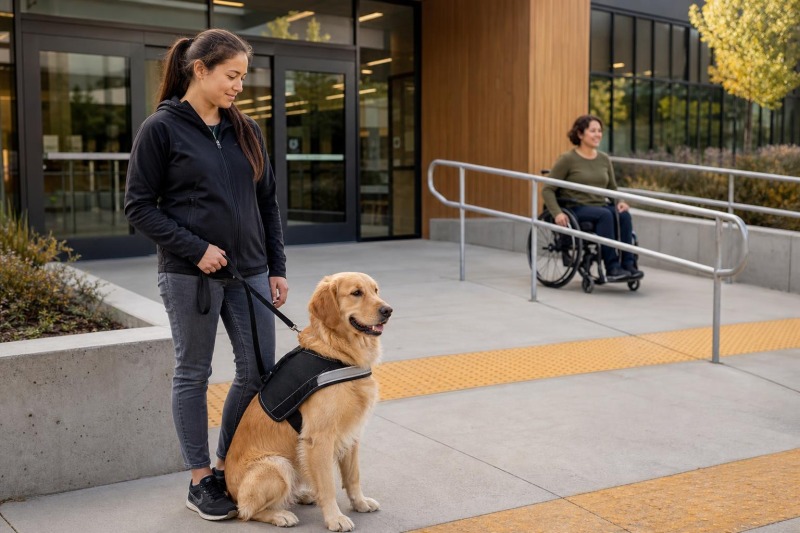
Over time, public understanding of disability broadened, and so did the roles service dogs could fill. What began primarily with guide dogs grew into mobility assistance dogs, hearing dogs, medical alert dogs, and psychiatric service dogs. This expansion did not happen because people wanted to dress pets in vests and bring them everywhere. It happened because dogs repeatedly proved they could perform meaningful tasks that improved quality of life.
Mobility service dogs can brace, retrieve dropped items, open doors, and help a handler maintain balance. Hearing dogs alert to alarms, doorbells, crying infants, and other important sounds. Medical alert dogs may detect blood sugar shifts, seizure activity, or changes in physiology before a crisis fully unfolds. Psychiatric service dogs can interrupt panic episodes, create space in crowded settings, wake handlers from night terrors, or guide them out of overwhelming environments.
What ties all of these jobs together is task-based assistance. A true service dog is trained to do work directly related to a person’s disability. That distinction matters. It separates service dogs from therapy dogs and emotional support animals, both of which may offer real comfort but serve different functions. The growth of service work has made this conversation more important, especially as public access questions have become more common.
Training Became More Specialized
As service dog roles multiplied, training methods became more specialized and more precise. Programs started shaping task work around individual handlers rather than forcing every dog through one mold. That was another important step in the evolution of service dogs. The best trainers learned to match dog to person, considering pace, lifestyle, home environment, physical needs, and emotional compatibility.
That kind of matching reminds me of pairing a hunting dog to the country and game it is meant to work. The right dog in the right role can look effortless. The wrong fit can create frustration no amount of wishful thinking will fix. In service work, getting that fit right is everything. The dog has to be capable, but also comfortable in the handler’s world.
The Science Behind the Bond
Modern research has helped explain what dog people have known in their bones for generations. Dogs are unusually skilled at reading human cues. They can follow gestures, recognize patterns in behavior, and detect subtle changes in scent and movement. In medical alert work especially, those abilities are remarkable. A dog may notice physiological changes long before machines or bystanders do, then respond with a trained alert that gives the handler time to act.
There is also the emotional side of the bond, which should not be dismissed as sentiment. A service dog often restores more than practical function. These dogs give people a way to move through the world with confidence again. They reduce isolation. They encourage routine. They offer presence without judgment. For many handlers, the dog becomes both tool and partner, all muscle and heart in one steady package.
That combination of function and connection is part of why service dogs hold such a respected place among working dogs. They are not simply performing tricks for praise. They are helping people reclaim ordinary life, and there is nothing ordinary about that.
Challenges in the Modern Service Dog World
For all the progress made, the modern service dog landscape is not without trouble. Public confusion remains one of the biggest hurdles. Too many people still fail to understand the difference between a trained service dog and an untrained pet brought into public under a loose label. That confusion creates tension for handlers who depend on legitimate service dogs and need safe, consistent access.
There is also the challenge of supply. Training a dependable service dog takes time, money, and hard-earned skill. Not every promising puppy finishes the work. Some wash out for health reasons, others for temperament, and some simply are not suited to the pressure of the job. That makes well-trained service dogs both valuable and difficult to produce.
Even so, standards continue to improve. Ethical breeders, professional trainers, and established service dog organizations are doing the hard work of preserving quality. They understand that service dogs represent the very best of what selective breeding and careful development can achieve when the goal is usefulness, stability, and trust.
What the Future of Service Dogs Looks Like
The future of service dogs will likely be shaped by better canine health screening, more refined training methods, and continued research into scent detection and behavior. We may see even more specialized roles as science catches up with what observant handlers have witnessed for years. At the same time, the fundamentals will remain unchanged. A service dog must be sound in body, clear in mind, and devoted to its work.
That is the thread running from the earliest camp dogs to the highly skilled assistance dogs of today. The tools have changed. The methods have sharpened. Public recognition has grown.
For dog owners interested in working dogs, service dogs offer one of the finest examples of purposeful breeding, training, and partnership ever developed. They stand as proof that when a dog’s natural gifts are respected and directed with care, the result can change a person’s life. Out in a field, in a city crosswalk, at a hospital bedside, or beside a veteran finding his footing again, the lesson holds true. A good dog with a real job is one of the most powerful things in this world.