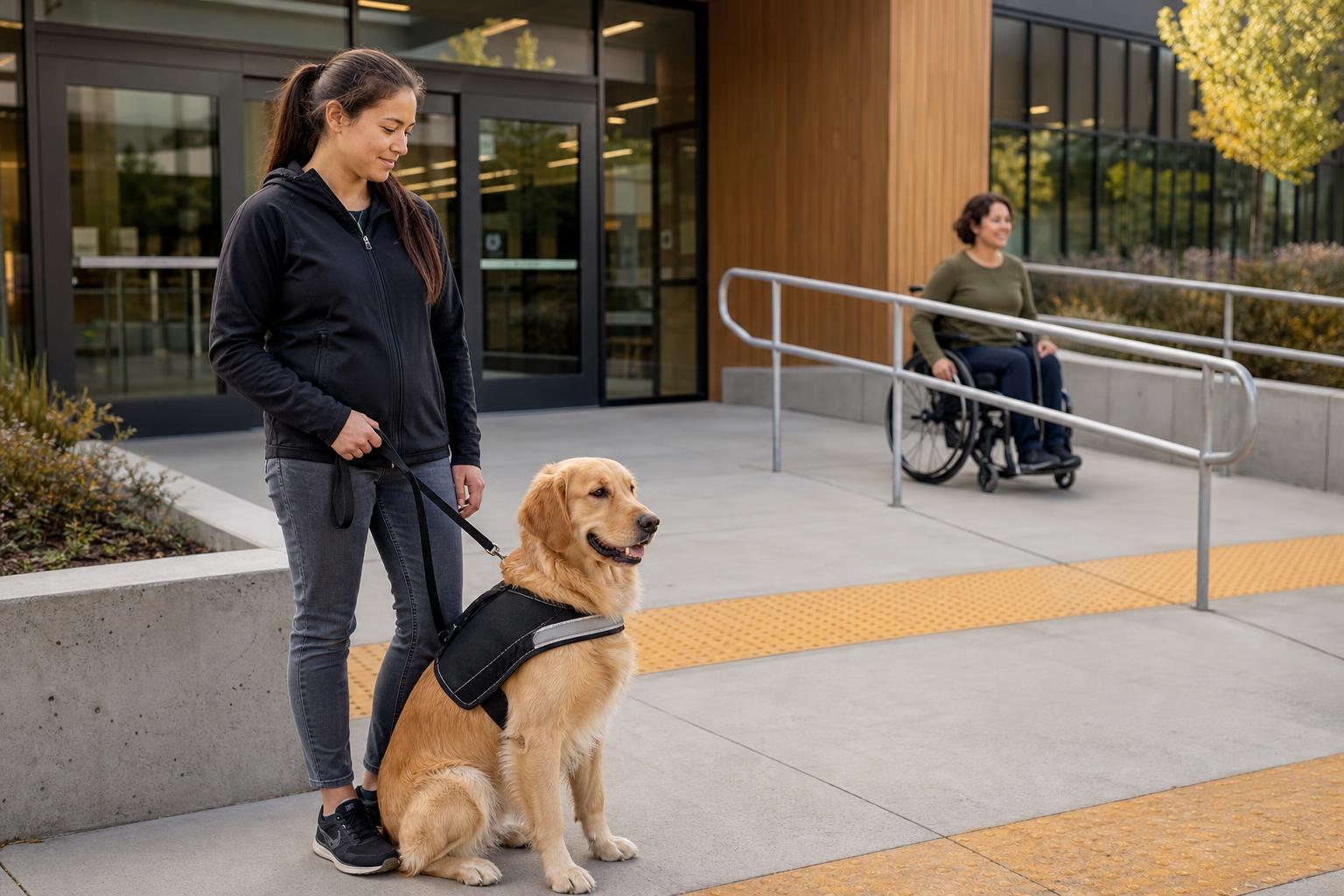
Service-dog programs develop through changes in assessment, training, breeding, and support for handlers. New tools are useful when they improve outcomes for the individual partnership. Sound evaluation and the dog’s welfare remain practical measures of progress.
Across the country, service dog organizations are facing rising demand, longer waitlists, tighter budgets, and higher public expectations. At the same time, they have more knowledge than ever before. Trainers are using better behavioral science. Breeding programs are becoming more intentional. Veterinary care is improving. Data is helping teams understand which dogs succeed, which dogs wash out, and why. If you have spent enough mornings watching dogs learn a job one repetition at a time, you can see where this is headed. The future of service dog programs will belong to organizations that respect the dog as an athlete, a partner, and a living creature with limits.
The next generation of service dogs starts with breeding
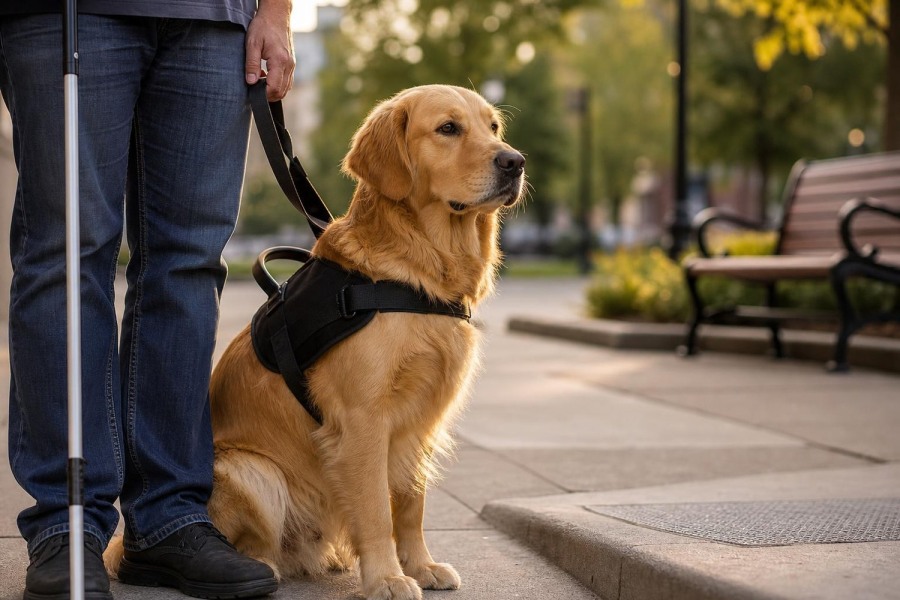
In the field, you learn to pay attention to bloodlines. Nose, nerve, biddability, recovery after pressure, willingness to work through confusion—those qualities matter in any serious working dog. Service dog programs are moving toward the same hard-earned understanding. The future is not just about finding friendly puppies. It is about producing dogs with stable temperaments, sound bodies, strong social resilience, and the kind of trainability that stands up under daily pressure.
Many leading programs are now refining closed or semi-closed breeding systems so they can track health, behavior, and performance across generations. That approach gives them a clearer picture of what produces reliable outcomes. Hip and elbow quality, cardiac health, eye health, environmental confidence, and impulse control are no longer side notes. They are central to the mission. A service dog may need to work in hospitals, airports, schools, stores, and city sidewalks all in the same week. That kind of life calls for a dog built from the ground up for steadiness.
There is also a growing recognition that one type of dog will not fit every service role. Mobility support, psychiatric service work, guide work, and medical alert tasks can demand different strengths. The future of service dog programs may include more specialization in breeding and evaluation, with dogs matched earlier to the kind of work that fits their natural abilities.
Temperament will matter more than appearance
The public often notices size, coat, or color first, but seasoned dog people know the real story runs deeper. The most valuable trait in a service prospect is not flash. It is emotional balance. A dog that recovers quickly, thinks clearly, and stays engaged with its handler under stress will always have more lasting value than one that simply looks the part. Future programs will keep leaning into this truth, and that should improve outcomes for both handlers and dogs.
Training methods are becoming more precise and humane
There was a time when many working dog systems relied too heavily on force, repetition without purpose, or one-size-fits-all handling. Good dog men and women have always known that approach has limits. A dog can only carry pressure so far before confidence begins to fray. In service work, where trust and public stability are everything, that matters even more. The future of service dog training is trending toward clarity, consistency, and humane methods rooted in learning science.
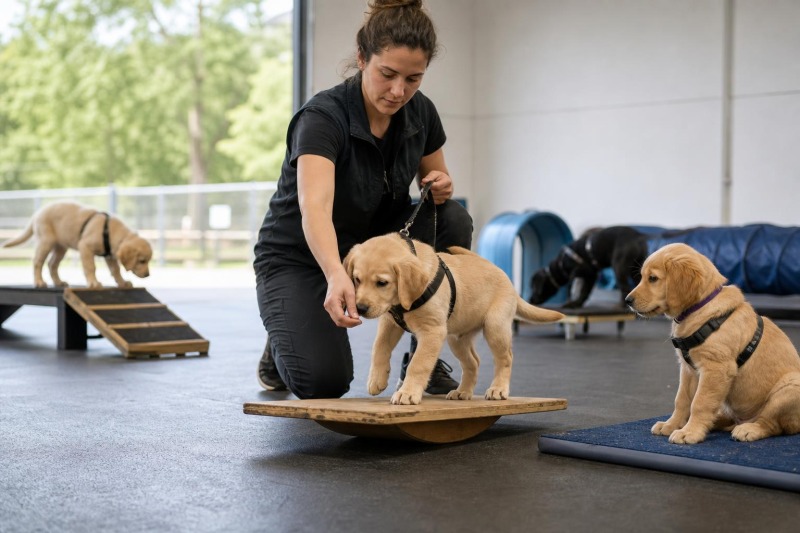
That does not mean training gets soft. It means training gets smarter. Programs are becoming more deliberate about early socialization, reward timing, task shaping, distraction proofing, and stress management. Trainers are watching for signs of mental fatigue sooner. They are adjusting sessions to fit the individual dog rather than forcing every prospect through the exact same funnel. Dogs tell you plenty if you know how to watch. A small hitch in movement, a slower response, a little hesitation entering a crowded room—those things matter. The best future programs will notice them early and respond before a problem takes root.
Another major shift is the recognition that puppy raising is not filler before the real work starts. It is the foundation. Exposure to surfaces, noise, travel, strangers, other animals, and quiet downtime all shape what kind of adult worker a dog becomes. More organizations are investing in better puppy raiser education because they know a polished service dog is often built on dozens of ordinary moments handled correctly.
Technology will support programs, not replace dogs
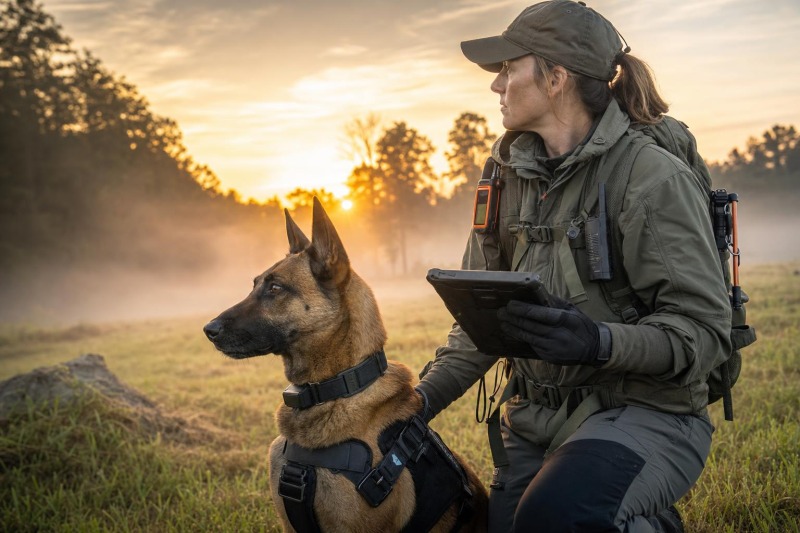
There is plenty of talk about artificial intelligence, wearable devices, and digital monitoring entering the dog world. Some of that is useful. Some of it is noise. The practical future likely falls somewhere in the middle. Technology will not replace a well-trained service dog, but it will help serious programs make better decisions.
Data tracking can reveal patterns in health, stress, learning speed, and placement success. Video review allows trainers to catch small handling errors and body language shifts they might miss in the moment. Wearables may help monitor rest, activity, and physical strain in working dogs, especially those with demanding schedules. Digital record systems can also improve communication between breeders, raisers, veterinarians, trainers, and handlers.
Still, anyone who has read dogs in real country knows there is no substitute for experienced eyes. A spreadsheet cannot feel the softness leaving a dog’s expression. It cannot hear the uncertainty in a handler’s voice. Technology will be a tool, not a compass. Good judgment will remain the heart of every strong service dog program.
Matching dogs and handlers should become more accurate
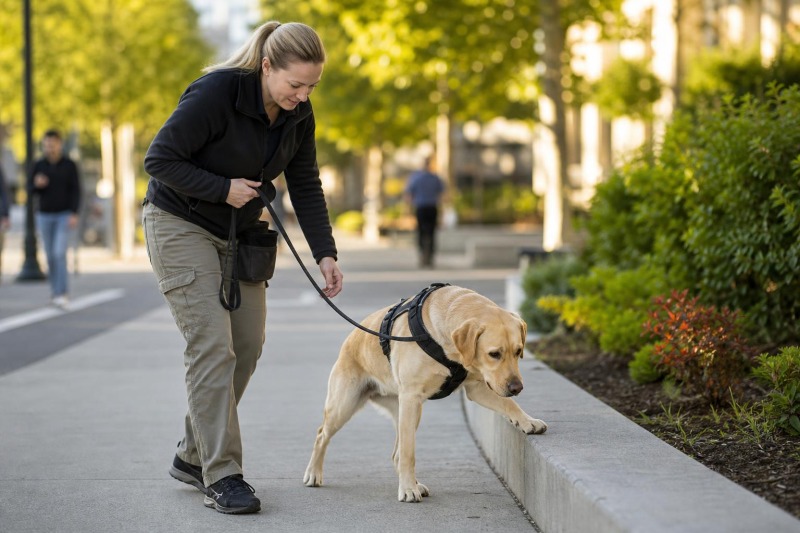
One of the biggest opportunities ahead is improving placement decisions. A service dog may be highly trained and still be the wrong fit for a certain person, home, schedule, or disability profile. Better data and better assessment tools can help programs make more accurate matches. That means fewer failed placements, better handler satisfaction, and less stress on the dog. In working dogs, the match matters as much as the individual talent.
Welfare standards will define the best programs
If the future of service dog programs is going to be strong, welfare cannot be treated as a marketing word. It has to be part of every decision. A dog cannot give steady, dependable service if it is physically worn down, mentally overloaded, or poorly supported after placement. The strongest programs of the next decade will be the ones that measure success not only by graduation numbers, but by long-term dog health and handler stability.
That means better screening for orthopedic soundness, clearer standards for work hours, stronger follow-up support, and honest retirement planning. It also means recognizing when a dog should not continue in service work. Not every washout is a failure. Sometimes a dog is simply telling the truth about what it can and cannot carry. Good programs will listen.
There is also growing pressure for transparency, and rightly so. Donors, handlers, and the wider public want to know how dogs are bred, raised, trained, housed, and retired. Programs that can answer those questions clearly will earn trust. Those that cut corners will have a harder road ahead.
Access, affordability, and public understanding remain major challenges
For all the progress ahead, service dog programs still face serious obstacles. Demand is climbing faster than supply. Training a reliable service dog takes time, money, skilled labor, and a high washout tolerance. None of that comes cheap. Many families who need a service dog cannot easily afford one, and nonprofit programs are often stretched thin trying to bridge that gap.
Public confusion adds another layer of trouble. Too many people still lump trained service dogs together with poorly behaved pets in fake gear. That hurts legitimate handlers and makes access harder than it should be. The future of service dog programs will involve more public education, stronger advocacy, and clearer messaging about what real service dog work looks like.
There may also be more hybrid models ahead, where organizations combine fully trained placements with owner-assisted training, regional coaching, and long-term support networks. If done carefully, that could expand access without lowering standards. The key phrase is if done carefully. A service dog is not a weekend project. It is a serious working partnership that deserves professional structure.
The human side of the program matters too
Handlers need more than a dog and a handshake. They need education, follow-up, troubleshooting, and realistic expectations. Future-focused programs will spend more time preparing people for the daily responsibility of living with and directing a working dog. That kind of support can make the difference between a partnership that thrives and one that slowly comes apart under ordinary life.
What the future should look like
The tools will improve. The science will sharpen. The records will get better. But the core principles will stay familiar to anyone who has ever trusted a dog to do important work.
The best programs will breed with discipline, train with clarity, place with care, and support teams for the long haul. They will not chase trends at the expense of sound dogs. They will not mistake speed for quality. And they will remember that every service dog carries a real person’s safety, independence, and confidence on the other end of the lead.
That is the future worth building. Not bigger programs for the sake of scale, but better ones for the sake of the dogs and the people who depend on them. Working dogs have always asked the same thing of us: be fair, be consistent, and know what you are asking before you ask it. Service dog programs that live by that standard will shape the next generation well.