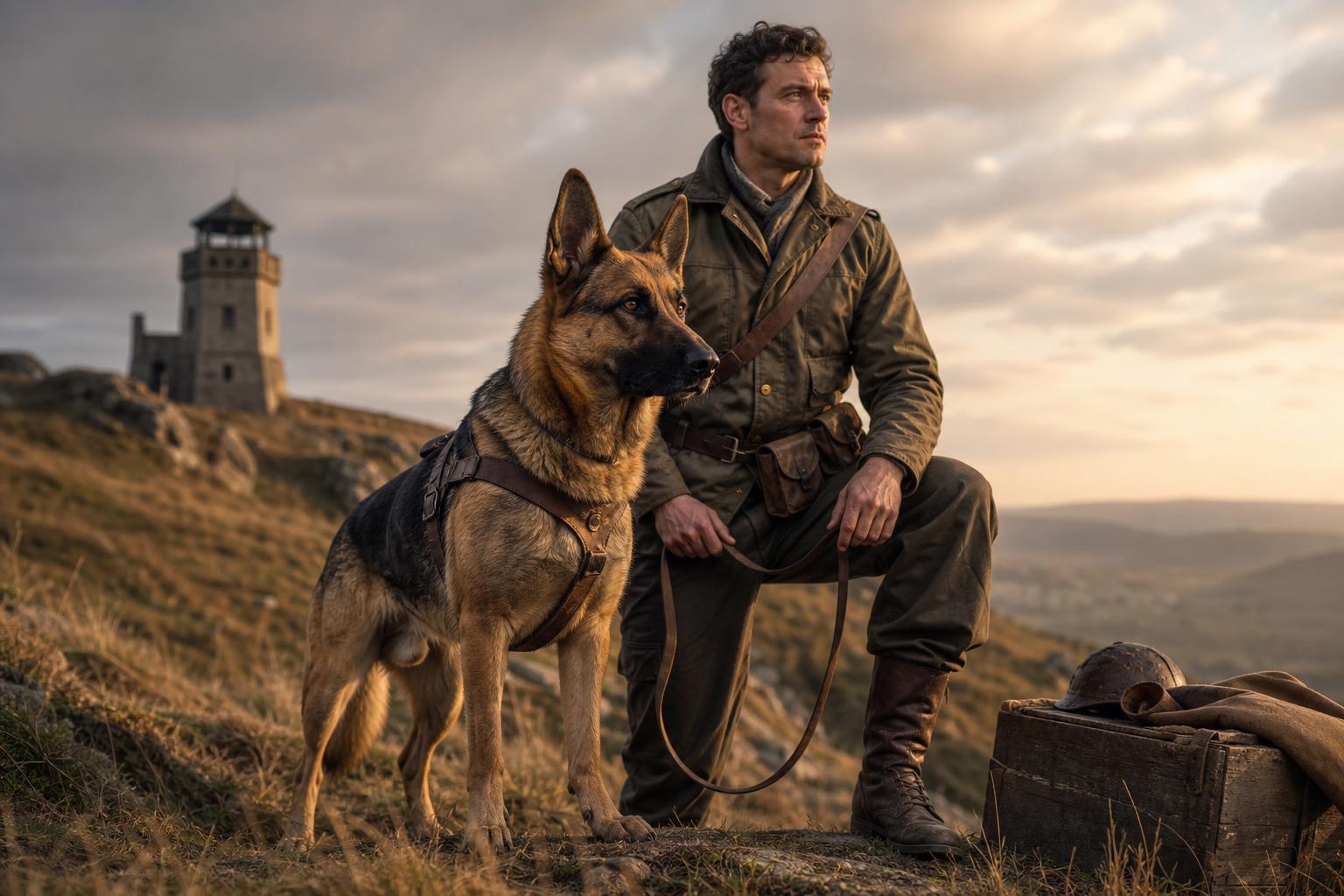
Stories about protection dogs often combine documented events with years of retelling. Looking at the dog’s actual role, training, and recorded work gives those accounts more value than reputation alone.
Protection dogs have served in war, guarded estates, stood watch over children, and put themselves between danger and the people they loved. Some were military dogs with medals to prove their worth. Others became famous because they belonged to powerful men or appeared in moments when history itself was turning. No matter the setting, the best of them shared the same core traits: nerve under pressure, devotion to their handler, and the instinct to act when action mattered most.
What Makes a Protection Dog Memorable
Before getting into individual dogs, it helps to understand why certain names endure. Plenty of dogs have guarded homes or worked patrol, but the famous ones tend to show a rare blend of control and courage. A protection dog cannot just be hard. Hard dogs without judgment are liabilities. The dogs remembered through history were balanced enough to distinguish threat from noise, and serious enough to meet danger head-on when called upon.
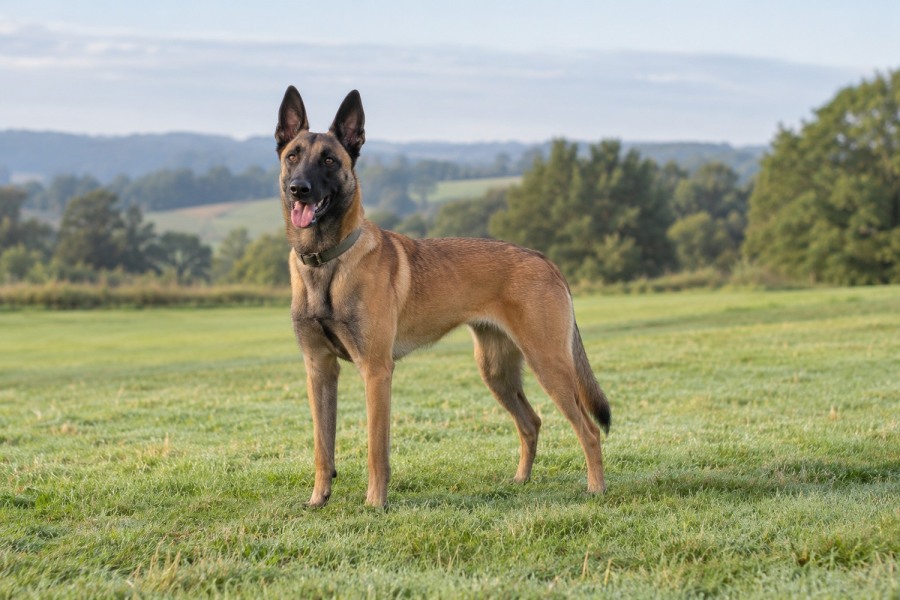
That is one reason breeds like the German Shepherd, Doberman Pinscher, Rottweiler, Belgian Malinois, and giant mastiff-type guardians became tied to protection work. They carried the structure, intelligence, and drive for it. Still, history reminds us that fame does not belong only to breed reputation. Sometimes one individual dog shows such extraordinary character that it lifts the name of every dog behind it.
Barry of the Great St. Bernard Hospice
Barry is often remembered as a rescue dog, and rightly so, but his story also belongs in any conversation about famous protection dogs in history. In the early 1800s, Barry worked in the Swiss Alps at the Great St. Bernard Hospice, where dogs were tasked with finding and helping stranded travelers in brutal mountain conditions. While not a formal attack dog, Barry represented another side of protection work: preserving human life in places where death came fast.
Old accounts credit him with saving dozens of people. Some stories grew larger with time, as old stories tend to do, but the heart of the matter remains. Barry was a dog that moved into danger while men hesitated. In mountain country, that kind of work is every bit as protective as standing guard at a gate. His legacy helped cement the image of the dependable working dog that shields human life through courage and endurance.
Mustasch, the Military Sentinel of Napoleonic France
One of the more unusual names from Europe’s military past is Mustasch, a small black dog said to have served French soldiers during the Revolutionary and Napoleonic era. He was no giant guardian breed, yet he earned fame through vigilance and battlefield bravery. Historical accounts describe him uncovering an Austrian spy and showing unusual steadiness amid combat. For that reason, he became a celebrated military mascot and a symbol of canine loyalty under fire.
His story matters because it widens the picture of what protection can mean. The protective instinct is not measured by size alone. Sometimes it is awareness, alarm, and the will to stay present in chaos. Any handler who has trusted a good dog at night understands that early warning is often the first and most valuable line of defense.
Caesar, the Strong-Willed Protector of the Romanov Family
Among the many dogs tied to royal households, Caesar, the dog of Grand Duchess Anastasia and connected to the Romanov family, is often mentioned for his loyalty in dark times. Though not famous as a trained protection dog in the modern police sense, Caesar became a lasting symbol of devotion during one of history’s most tragic political collapses. Reports tell of the dog remaining close to the family during captivity and upheaval, a reminder that dogs often stand by their people when power, comfort, and certainty all fall away.
That kind of loyalty is central to the old idea of a guardian. Long before organized bite work and protection sports, families valued dogs that stayed near, sounded warning, and would not abandon them in a crisis. Caesar’s place in history rests on that timeless bond.
The Dobermans of the United States Marine Corps
If there is one group of famous protection dogs in history that deserves more everyday recognition, it is the Dobermans that served with the United States Marine Corps in World War II. On Guam, these dogs worked as sentries, scouts, and messengers. They warned handlers of ambushes, located hidden enemy positions, and moved through jungle country where a man on his own could disappear without much trace.
The most remembered among them is Kurt, often called the first Marine war dog killed in action during the battle for Guam. His death became emblematic of the sacrifice made by military working dogs. There is a memorial on Guam honoring the war dogs, and it stands for good reason. These were not mascots. They were operational assets with enough discipline and nerve to function in the worst conditions imaginable.
The Doberman’s wartime reputation came from more than speed and athleticism. It came from alertness, responsiveness, and a fierce loyalty to handler and mission. In those dogs, you can see the roots of modern protection work laid bare: controlled intensity, trainability, and the willingness to go first into danger.
Chips, the Decorated War Dog
Chips is one of the most famous military dogs ever to wear an American uniform. A German Shepherd-Collie-Husky mix, he served during World War II and became known for his actions in Sicily in 1943. Accounts state that Chips broke from his handler during an attack on a machine-gun nest, forced enemy soldiers out, and helped save American lives in the process. He later worked as a sentry and patrol dog, proving his value well beyond one dramatic incident.
What makes Chips memorable is how complete the picture is. He had courage, yes, but he also had the utility of a real working dog. Protection work has never just been about confrontation. It is about deterrence, detection, and support in uncertain ground. Chips embodied that broader purpose better than most.
Rin Tin Tin and the Public Image of the Guardian Dog
Rin Tin Tin was not famous because of battlefield heroics alone, though his origins trace back to World War I. He became a star in silent films and helped establish the German Shepherd as a household name in America. While Hollywood can smooth over the rough edges of real working ability, Rin Tin Tin’s influence on the public image of the protection dog cannot be overstated.
He gave people a picture of the dog that was both family companion and fearless defender. That image stuck. For generations, when families thought of a dog that could love children and still stand up to danger, they often pictured a shepherd-type guardian in the mold that Rin Tin Tin popularized. Sometimes cultural influence matters just as much as battlefield fame, because it shapes breeding demand, training interest, and public expectations for decades afterward.
How Famous Protection Dogs Influenced Modern Working Breeds
The old stories still reach into the present. Today’s protection dog training, whether for personal protection, police service, or military work, rests on the same practical truths these historical dogs demonstrated. Stable temperament matters more than bluster. Handler focus matters more than random aggression. Recovery after stress matters as much as intensity in the moment.
That is why famous protection dogs in history still matter to modern dog owners. They remind us that the best working dogs are selected and trained with care. A dog bred for guarding or protection should not be chosen because someone wants a status symbol. It should be chosen because the owner respects the responsibility of living with a serious animal. The legends of the past earned their place through service, not swagger.
For everyday owners interested in working dogs, there is also a useful lesson in proportion. Not every protective dog needs to be trained for advanced personal protection. Many households are better served by a stable dog with natural watchfulness, strong obedience, and clear-headed nerve. The historical examples are inspiring, but they also show that true protection begins with reliability.
The Enduring Appeal of the Guardian Dog
Spend enough time around good dogs and you come to understand that protection is often quiet. It is the dog that places itself between a child and the dark end of the yard. It is the one that notices a stranger before anyone else does. It is the dog that can lie still by the porch steps all afternoon and then rise, dead serious, when something is wrong. The famous names from history mattered because they showed this instinct under extraordinary conditions, but the instinct itself is old as campfire ash.
From alpine rescue dogs to wartime sentries and loyal companions in collapsing empires, these famous protection dogs in history gave the world examples of canine courage at its finest. They were not legends because they looked impressive. They were legends because they worked, endured, and stayed true when the moment demanded it. That is what has always separated a real guardian from the rest.
For dog owners drawn to working breeds, those stories still carry weight. They remind us to value steadiness over show, loyalty over noise, and function over fashion. The best protection dogs, whether famous or forgotten, are the ones that stand their ground for the people who trust them. History just happened to write down the names of a few that did it so well no one could forget them.