Seizure-response work and claims of warning before a seizure are different questions. The dog’s trained tasks and the limits of any claimed alert need careful explanation. Families should evaluate the proposed assistance in the context of the person’s existing medical and safety plans.
For people living with epilepsy and related seizure disorders, the right dog can do far more than provide company. In some cases, a dog may recognize changes before a seizure occurs and warn its handler. In other cases, the dog is trained to respond once a seizure begins by staying close, barking for help, retrieving medication, pressing an alert button, or simply anchoring the handler through a dangerous moment. That distinction matters, and it is where a lot of confusion starts.
Seizure Alert Dogs and Seizure Response Dogs Are Not the Same
Folks often use the terms interchangeably, but they describe two different jobs. A seizure alert dog is believed to recognize a coming seizure before it happens and signal the handler ahead of time. A seizure response dog is trained to assist during or after the event. Some dogs do both, but not all. That difference is important for owners who are researching service dogs and trying to sort hope from hard fact.
A good dog reads body language, scent, tension, rhythm, and routine with remarkable precision. Anyone who has handled enough dogs knows that. What makes seizure alert dogs so fascinating is that some appear able to notice physiological shifts before a seizure becomes visible to the people around them. The exact mechanism is still being studied, but many handlers report consistent pre-seizure alerts from certain dogs.
That said, no honest article should promise certainty. Not every dog can develop seizure alert behavior, and not every handler will experience reliable advance warnings. A dependable seizure response dog is often a more realistic and measurable goal, while true seizure alert ability may emerge naturally in some individuals and then be shaped through training.
How Seizure Alert Dogs Help in Daily Life
The value of these dogs is not limited to the seizure itself. They can bring structure and confidence back into a household that has been living on edge. A person who worries about collapsing in public may begin venturing out again with a trained dog at their side. Parents of a child with seizures often sleep a little easier knowing a dog may wake them if something goes wrong in the night. Even when a dog is primarily a response dog rather than an alert dog, that support can be life changing.
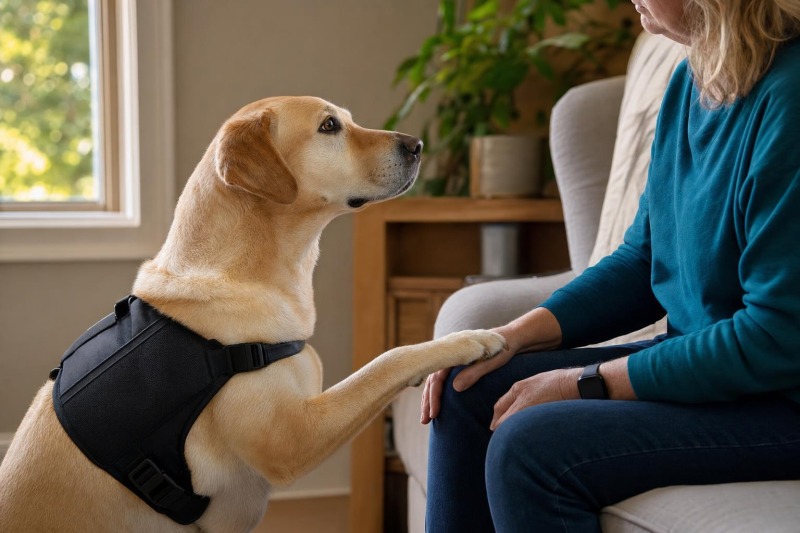
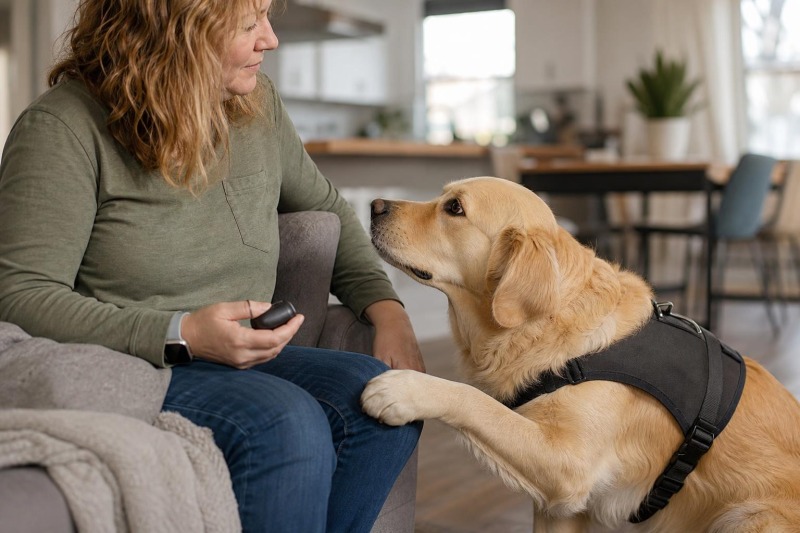
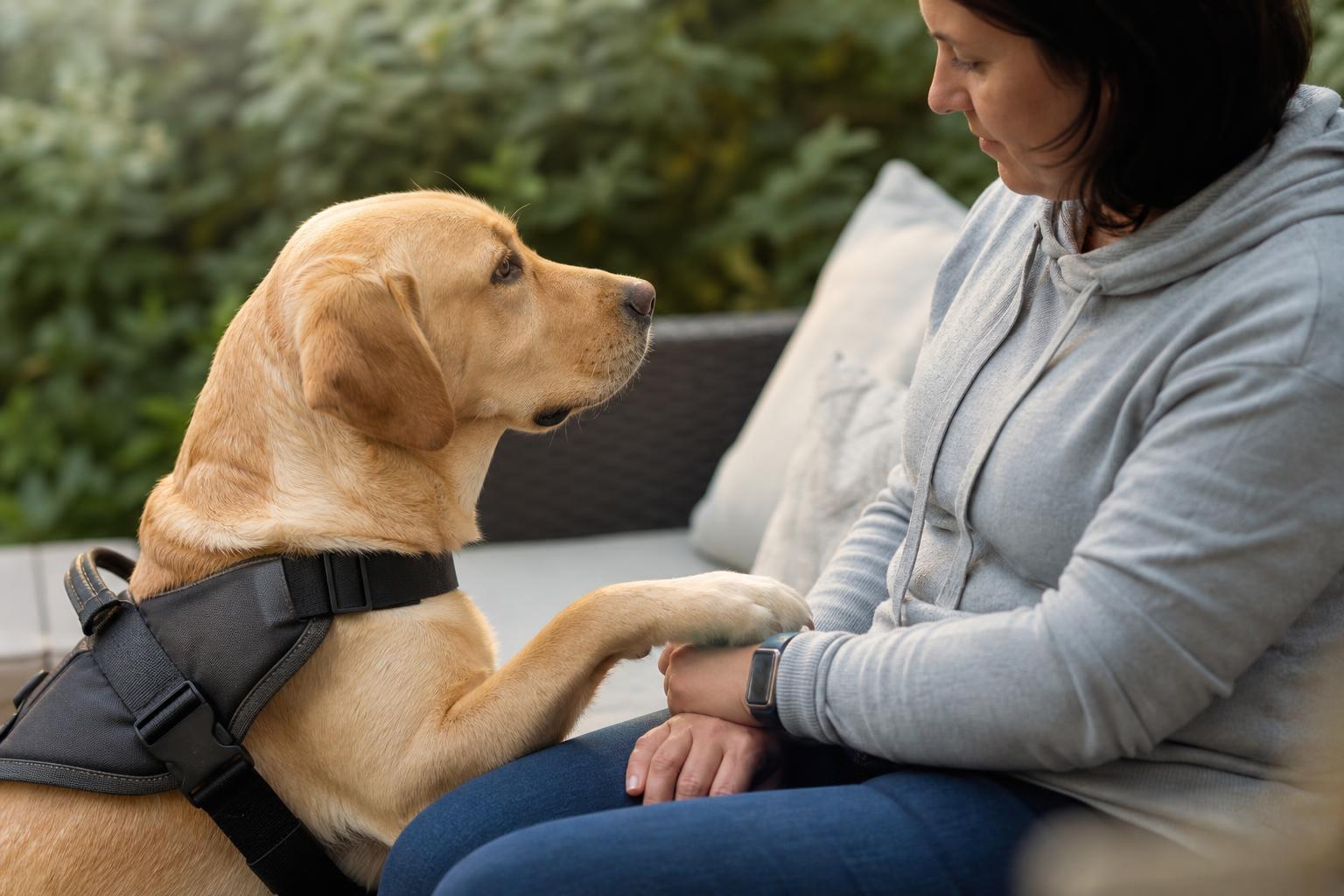
In practical terms, seizure alert and response dogs may nudge, paw, stare, pace, or lean against their handler to signal a change. During a seizure, they may stay close to prevent wandering, cushion the handler’s head, fetch a phone, bring medication, or seek another person in the home. Some are trained to activate an emergency device. Others create space in a crowd or provide deep pressure afterward, helping the handler recover from confusion and fear.
There is also the emotional side, and it should not be brushed aside. Dogs that work around serious medical conditions often become a steadying force long before and long after the hard moment passes. They help lower anxiety, restore routine, and give their handlers a partner that is present without judgment. That kind of presence is one of the strongest traits a true working dog can offer.
What Makes a Good Seizure Alert Dog
Not every good dog is suited for this work. The best candidates tend to have stable temperaments, strong social confidence, low reactivity, and a natural willingness to stay tuned in to people. They need to handle noise, crowds, changing environments, and long stretches of quiet without unraveling. A dog that startles easily, guards resources, or struggles with impulse control is starting behind the line.
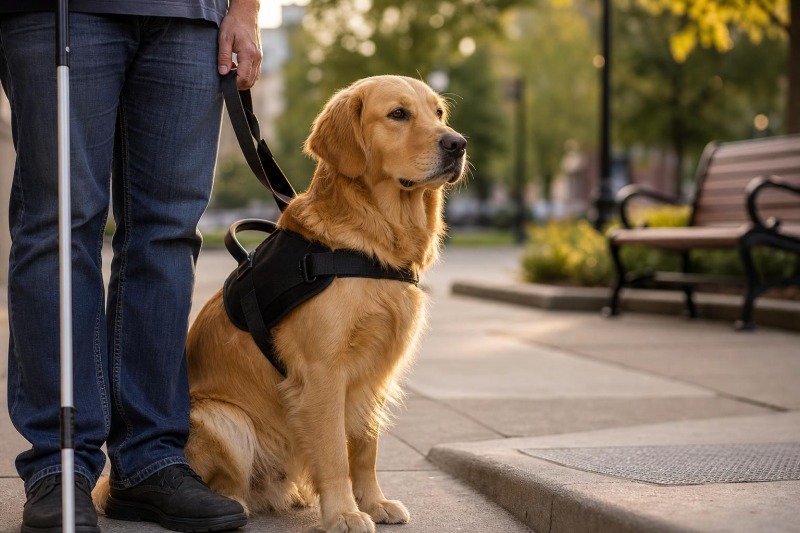
Breed can matter, but temperament matters more. Labrador Retrievers, Golden Retrievers, Poodles, and Collie-type dogs are often chosen because they are biddable, people-oriented, and adaptable. Still, there are mixed breeds and less common breeds doing this work well. The dog in front of you is always more important than the paper pedigree behind it.
Scent, Routine, and the Dog’s Natural Instinct
Much of the discussion around seizure alert dogs comes back to whether they detect scent changes, small behavioral shifts, or both. A slight change in odor, a shift in breathing, tension in movement, facial expression, pacing, or even altered chemistry in sweat may all be part of what the dog notices. That is not magic. It is simply a dog using the senses we have spent generations admiring in other kinds of work.
The trouble is that natural sensitivity cannot always be manufactured. You can shape it, reward it, and make it more useful, but you cannot guarantee it in every dog. That is why reputable programs are careful in what they promise.
How Training Usually Works
Most seizure-related service dog training starts with the basics, and it should. Before a dog can support someone through a medical event, it must be solid on obedience, public manners, neutrality around distractions, and calm behavior in tight spaces. The dog must be safe, reliable, and steady under pressure. Fancy task training means very little if the dog cannot hold itself together in a grocery store, clinic waiting room, or crowded sidewalk.
From there, trainers build response tasks. A dog may learn to lie beside the handler during a seizure, retrieve a pouch or phone, bark on cue for help, or run to another family member. These are trainable, concrete behaviors. Alerting before a seizure is more complicated. Often, a trainer and handler notice the dog naturally reacting before episodes, and that behavior is then marked and reinforced until it becomes a clear signal.
This is one reason owner-trained service dogs can be hit or miss. A dedicated owner can do excellent work, especially with the support of a qualified trainer, but this is not a casual project. It takes time, consistency, money, and a dog with the right mind for the job. Washing out a prospect is not failure. It is responsible dog handling.
What Owners Should Know Before Bringing One Home
A seizure alert dog is still a dog. That sounds simple, but plenty of people forget it once the service label enters the room. These animals need exercise, structure, veterinary care, rest, and clear boundaries. They are not machines. If a family expects a dog to perform flawlessly while living in chaos, the dog will pay for it and the work will suffer.
Owners also need realistic expectations. A trained dog may reduce risk and improve independence, but it does not replace medical treatment, medication management, or professional care. It is one tool, sometimes an extraordinary one, but still one piece of a broader plan.
There is the matter of access and public attention too. A service dog in public often invites stares, questions, and occasionally foolish behavior from strangers. People try to pet, distract, or challenge what they do not understand. Handlers and families should be prepared for that side of life. A dog working around seizures needs focus, not interruptions from someone who thinks every Labrador in a vest is public entertainment.
Cost, Time, and Commitment
Good dogs are expensive to raise and train, and service work raises the stakes. Whether you go through a program or develop a prospect with a trainer, the investment is real. Beyond the cost, there is the daily commitment to maintaining skills. A service dog that is not handled consistently can lose polish and reliability just like any other working dog.
That is worth saying plainly because the best outcomes usually come from households that understand working dogs already. They know a dog thrives on routine. They understand repetition. They accept that reliability is earned over time, not wished into existence.
Seizure alert dogs deserve respect, but they also deserve honest discussion. At their best, these dogs can provide warning, safety, calm, and a renewed sense of freedom for people living with seizure disorders. They can be a true partner in the middle of a hard life challenge. But not every dog can alert, and not every promising prospect should be pushed into a role it cannot carry.
The strongest approach is a grounded one. Look for temperament first. Work with reputable trainers or programs. Understand the difference between alert and response work. Build the dog carefully, and let the dog show you what it can truly do. That is how good working dogs have always been made, whether they are in the duck blind, on the ranch, or standing quietly beside a handler who needs them for reasons far bigger than most folks will ever see.
If you are considering a seizure alert dog, go in with hope, but keep both boots on the ground. The right dog may not solve everything, but it can change the shape of everyday life in ways that matter deeply. In the world of working dogs, that is meaningful work by any standard.