Guide Dogs for the Blind: More Than Good Dogs, They Are Skilled Partners
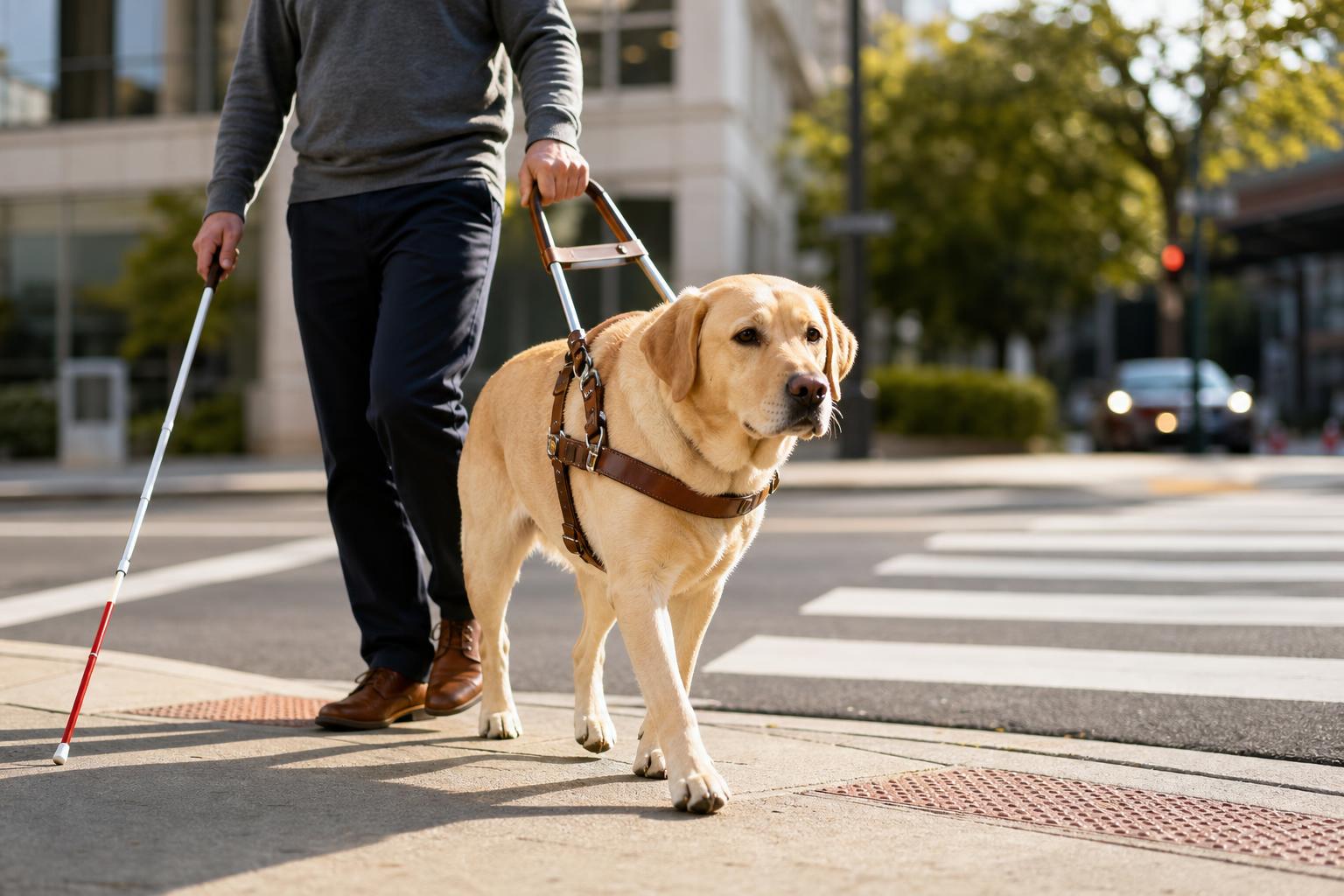
A guide dog helps a handler negotiate an environment through specialized training and practiced teamwork. The dog’s decisions and the handler’s directions have to work together. Calm behavior, sound movement, and careful preparation are central to that partnership.
Folks who have only seen a guide dog in passing often miss the depth of the job. They notice the calm pace at a street corner or the clean line of movement through a crowd, but they do not always understand what the dog is weighing in every step. A guide dog must read space, traffic, obstacles, curbs, distractions, and human intent all at once. It is a kind of work that demands discipline, but also judgment. In the working dog world, judgment is gold.
For dog owners interested in working dogs, guide dogs are worth studying because they show what careful selection and consistent training can produce. They are proof that a dog’s heart, brain, and structure all matter. You cannot fake this kind of work for long.
What Makes a Dog Suitable for Guide Work
Not every smart dog is cut out to become a guide dog for the blind. Guide work is not the place for a dog that startles easily, overreacts to pressure, or loses focus when life gets noisy.
The best guide prospects usually come from breeding programs that value stable temperament, sound health, and predictable work ethic. Labrador Retrievers, Golden Retrievers, and Lab-Golden crosses are common for good reason. They tend to bring biddability, confidence, and physical soundness to the table. That said, breed alone does not make a guide dog. The individual dog has to show calm nerves, willingness to learn, social stability, and enough independence to make safe decisions.
Temperament Comes First
A guide dog must be confident without being pushy, affectionate without being needy, and alert without being frantic. The dog needs to move through a grocery store, along a city sidewalk, or into a doctor’s office without falling apart or becoming overexcited. That kind of emotional balance is not flashy, but it is essential. The dogs that excel in demanding jobs are often the ones that seem almost plain at first glance. They do not waste themselves. They save their effort for the work.
Health and Structure Matter
A guide dog may work for years, so hips, elbows, eyes, and overall structural soundness matter a great deal. A dog can have a fine mind and still be unsuited if the body cannot hold up. These dogs guide handlers over pavement, up stairs, around obstacles, and through all kinds of weather. Durable feet, balanced movement, and a body free from serious orthopedic trouble are not optional.
How Guide Dogs Are Trained
Guide dog training is one of the most refined systems in the dog world. It starts early, often with puppy raisers who help the young dog learn basic manners, confidence in public, and comfort with everyday life. That early foundation is no small thing. A dog that learns to settle, adapt, and trust human direction as a youngster carries those habits into formal work.
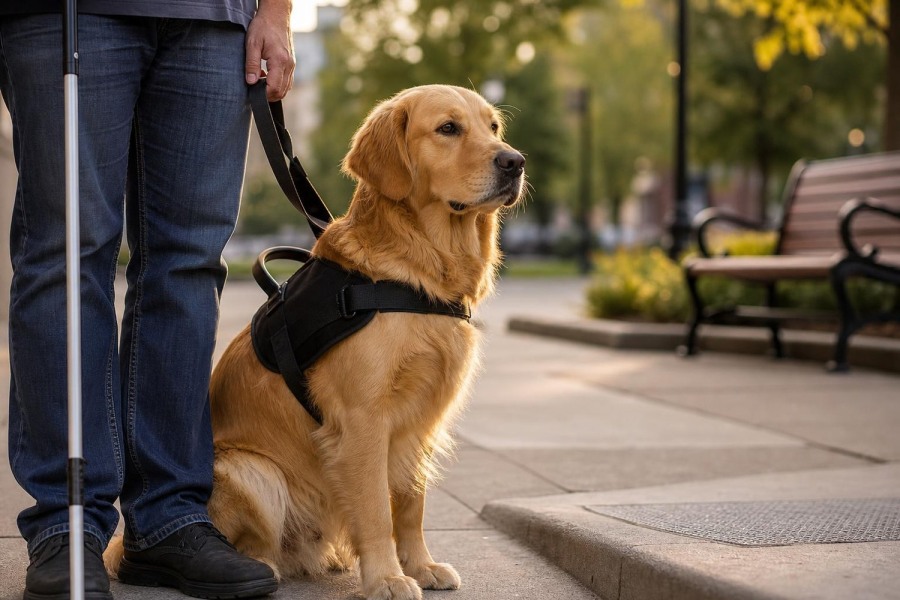
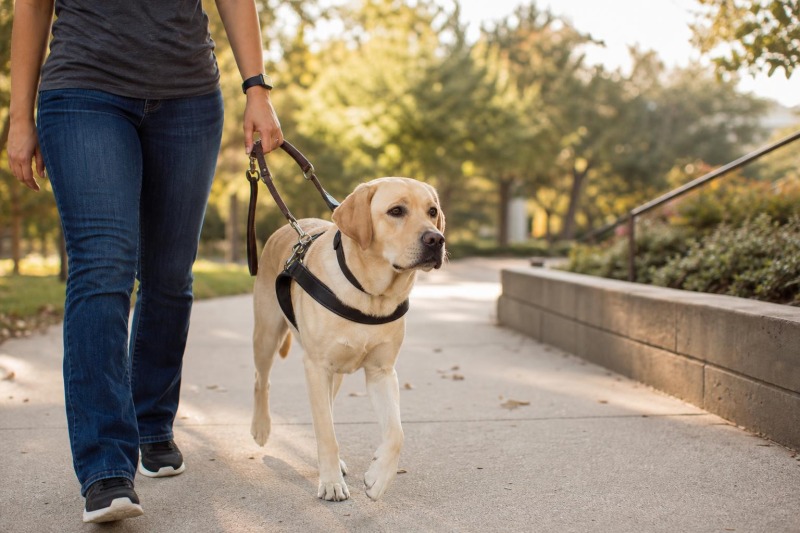
As training advances, the dog is introduced to the practical demands of guiding. The harness becomes a signal that the dog is on duty. Trainers teach the dog to move in a straight line, stop at curbs, avoid overhead and ground-level obstacles, navigate doors and stairs, and maintain safe positioning for the handler. It takes repetition, but not mindless repetition. Good training shapes understanding.
Intelligent Disobedience
One of the finest things about a guide dog is something many pet owners find surprising: a guide dog is trained to disobey when obedience would be dangerous. If a handler gives a forward cue into traffic, the dog must refuse. That takes more than training mechanics. It requires confidence, clarity, and a dog that has learned the job deeply enough to think within it. In hunting dogs, we appreciate initiative when conditions get complicated. Guide dogs carry that same principle into public safety, and the stakes are just as real.
Distraction proofing is another major piece of the puzzle. The dog must work past food smells, crowds, barking dogs, children reaching out, loud engines, and the thousand little interruptions of daily life. That level of steadiness is built over time. It does not come from force alone, nor from softness alone. It comes from consistency, fairness, and standards that do not move around from day to day.
The Matching Process Between Dog and Handler
A strong guide dog team is not created by chance. Matching matters. A dog with a brisk pace may suit one handler and frustrate another. A larger dog may be ideal for one person’s stride and body position, while a more compact dog works better for someone else. Lifestyle, travel habits, home environment, and physical handling ability all play a role.
This is where experienced programs earn their reputation. They do not simply place a trained dog with a person. They build a partnership. The handler learns how the dog communicates, where the dog needs clarity, and how to maintain the skills already installed in training. The dog, in turn, learns that this new human is the center of the job. When the match is right, you can feel it. The team moves with less friction and more confidence, almost like a pair of bird hunters who have spent enough seasons together that words are barely necessary.
Daily Life With a Guide Dog
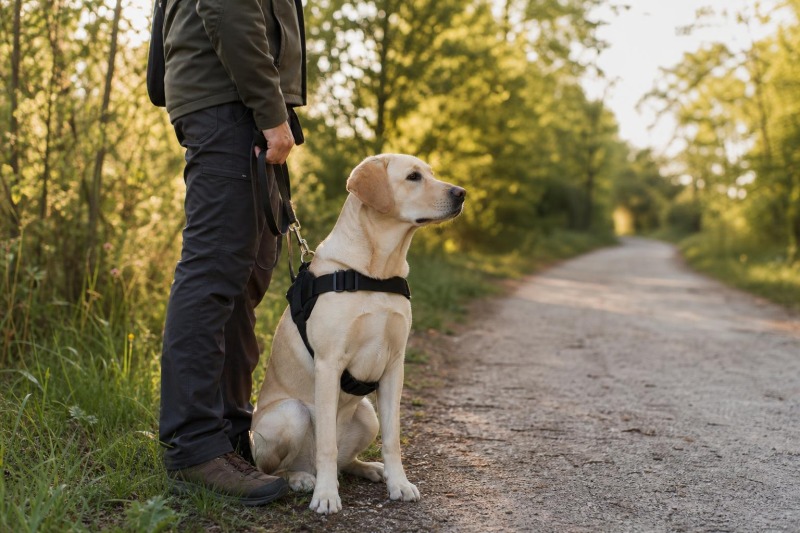
There is a mistaken idea that guide dogs are always working and somehow stop being dogs. That is not true. The best guide dogs know when the harness is on and when it is time to relax. Off duty, they still need exercise, play, grooming, veterinary care, and affection. They need structure too. A working dog stays sharp when life is steady and expectations remain clear.
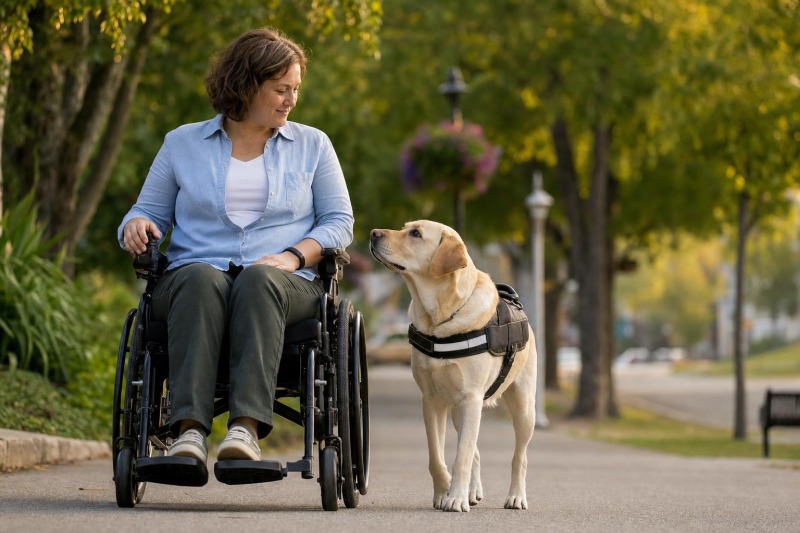
Handlers carry serious responsibility. A guide dog is not a machine and cannot be treated like one. The dog’s health, weight, feet, and emotional condition all affect performance. If the dog is tired, sore, stressed, or confused, the work suffers. Good handlers pay attention to those details because they understand that partnership runs both ways.
Guide dogs that are suited to the work often show that same quiet readiness. Harness up, head comes level, and the dog seems to say, all right, let us get on with it. There is something admirable in that kind of purpose.
Common Misunderstandings About Guide Dogs for the Blind
One misunderstanding is that any well-trained pet dog can become a guide dog. The truth is tougher than that. A pleasant companion may still lack the nerve, consistency, health, or problem-solving ability to guide safely. Another common mistake is assuming the dog does all the navigating. The handler brings orientation and destination knowledge, while the dog manages safe travel within that framework. It is teamwork, not magic.
There is also confusion around public access. Guide dogs are working, and interfering with them can put the handler at risk. Petting, calling to, or distracting a dog in harness is not kindness. It can break concentration at the wrong moment. Anyone who respects working dogs should understand that the job comes first.
Why Guide Dogs Matter in the Working Dog World
Among all working dogs, guide dogs stand out because their work is both practical and deeply personal. They do not just perform tasks. They help open the world back up. A safe walk to work, a trip through a crowded store, a confident crossing at a busy intersection, these are everyday freedoms, but they are not small things.
For those of us who admire working dogs, guide dogs for the blind deserve respect not because the work is sentimental, but because it is exacting. It asks for balance, stamina, self-control, adaptability, and trust. Few dogs can do it, and fewer still can do it well for years.
If you own dogs and care about purposeful breeding, thoughtful training, and the true potential of canine partnership, guide dogs offer one of the clearest examples of what a working dog can be. They remind us that the best dogs are not just trained to obey. They are prepared to serve with intelligence, steadiness, and heart. In any field, that is the kind of dog worth admiring.