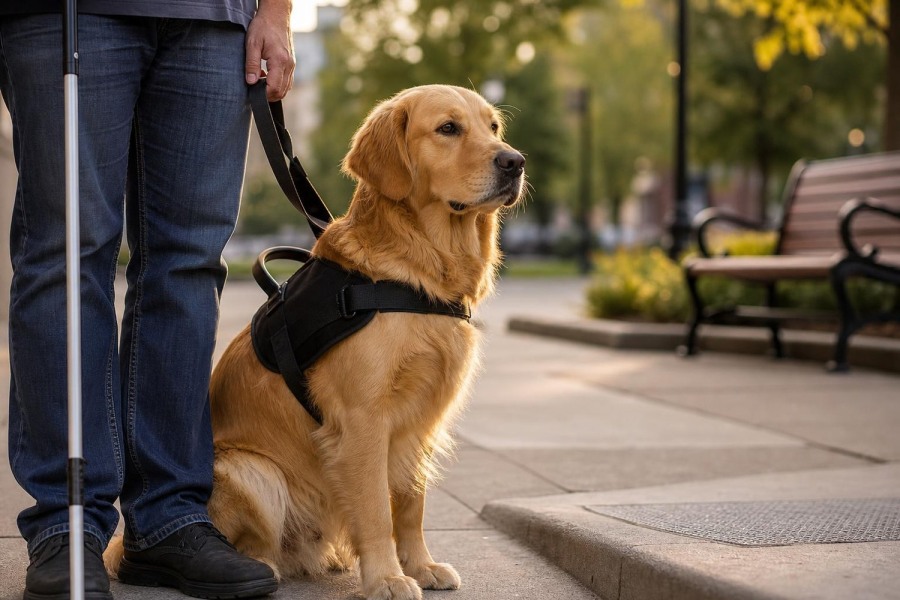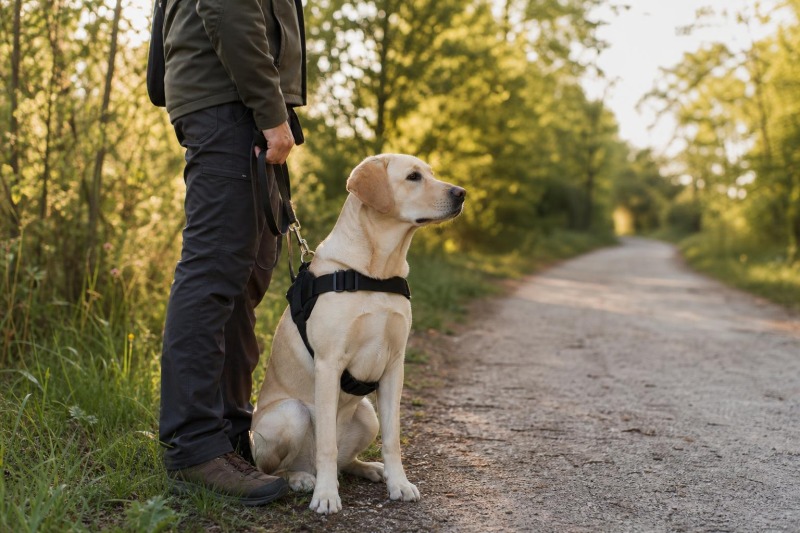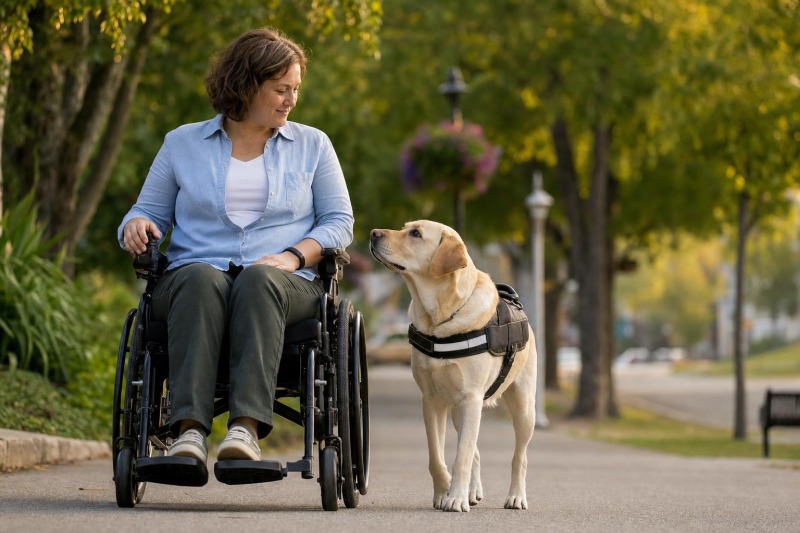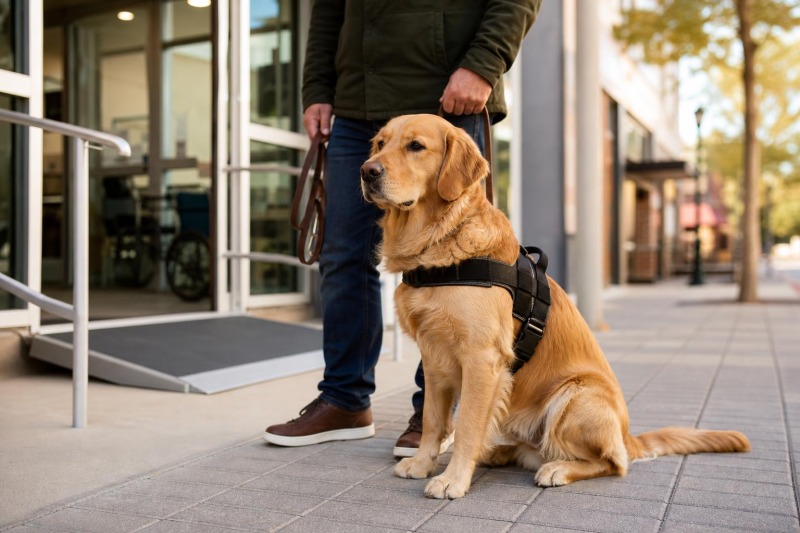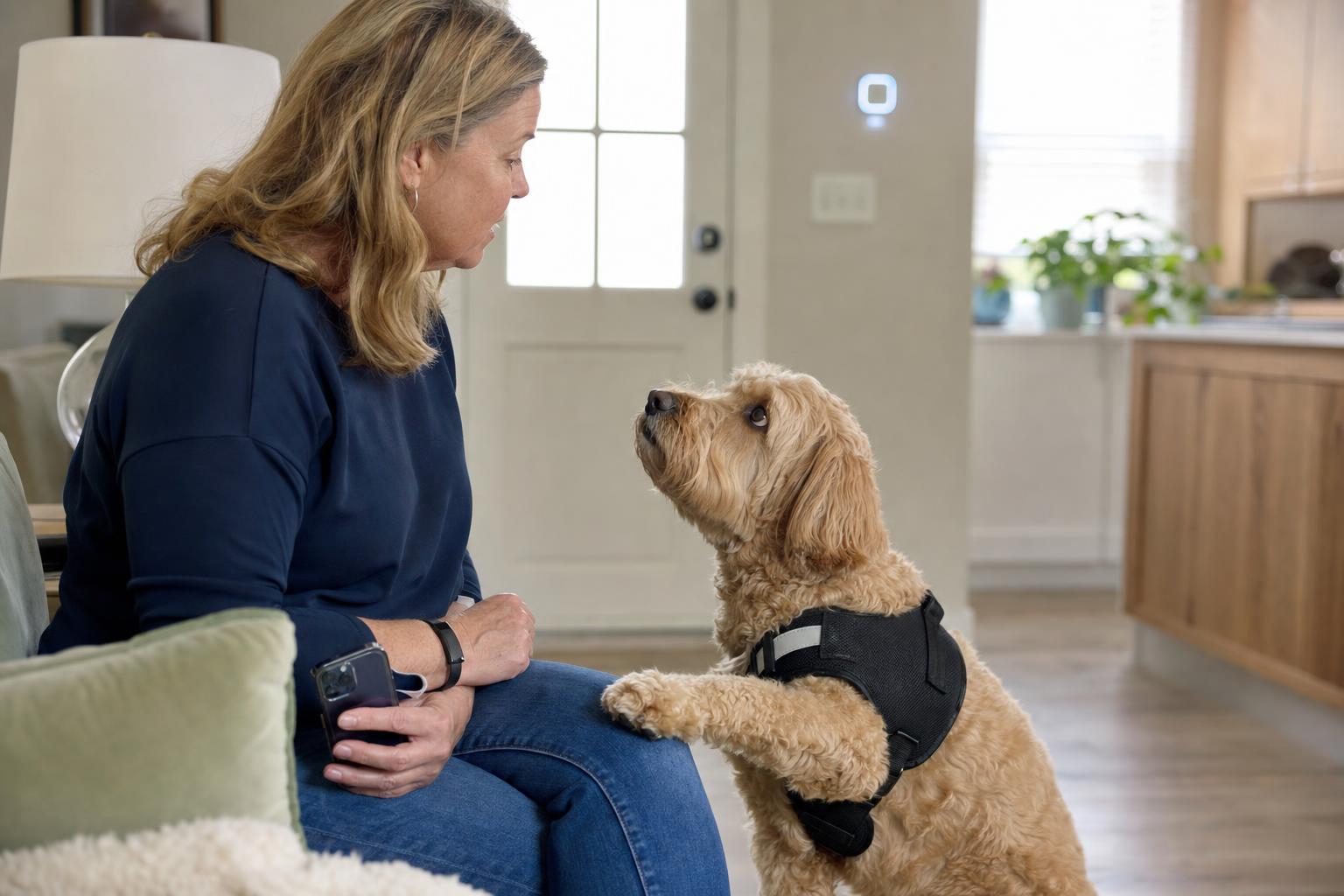
Hearing dogs are trained to bring important sounds to their handler’s attention. The useful tasks depend on the person and the setting. Clear responses, manageable behavior, and practice in everyday environments help make the training dependable.
A solid dog is one that notices what matters, responds without hesitation, and settles back down when the job is done. That steady pattern is the heart of a hearing dog. These dogs are trained to alert deaf or hard of hearing handlers to everyday sounds that many folks take for granted, including door knocks, alarm clocks, smoke alarms, ringing phones, and a child calling from another room.
For the right owner, that sort of help is not a luxury. It is practical, daily support that adds safety, routine, and peace of mind. A hearing dog does not just announce noise. A well-trained dog creates a bridge between the handler and the sounds that shape ordinary life.
What Is a Hearing Dog?
A hearing dog is a type of service dog trained to respond to specific sounds and then alert its handler in a clear, reliable way. In most cases, the dog will hear the sound, make contact with the handler by pawing or nudging, and then lead that person toward the source. That simple sequence is the backbone of the work.
What makes hearing dogs for the deaf so valuable is the consistency of the task. The dog is not acting on guesswork or mood. It is taught to recognize certain sounds, distinguish them from background noise, and perform a trained alert every time. That means the dog must have sharp awareness, calm nerves, and enough self-control to work in homes, public places, and crowded environments without becoming rattled.
This is where the working dog mindset matters. Some dogs have drive but lack composure. Others are gentle but not observant enough. A good hearing dog sits in that sweet spot. It is attentive without being frantic, social without being scattered, and responsive without needing constant pressure from the handler.
Why Hearing Dogs Matter in Everyday Life
When people first hear about hearing dogs, they often picture one narrow task, maybe alerting to a doorbell or an alarm clock. In truth, the dog’s value shows up in the rhythm of the day. A pot timer in the kitchen, a visitor at the door, a text tone, a smoke alarm in the middle of the night, or a baby fussing during a nap can all carry real importance. Missing one may be inconvenient. Missing another could be dangerous.
That is where a hearing dog earns its keep, one small alert at a time. The dog listens while the handler cooks, works, sleeps, showers, rests, or simply lives life without having to stay on edge. There is a deep comfort in that kind of partnership. It reminds me of watching an old bird dog in camp, resting by the truck but still tuned in to every shift in the world around him. He is calm, but he is never off duty in spirit.
For many deaf and hard of hearing individuals, the benefit goes beyond safety. A hearing dog can bring greater independence and confidence in public. It can ease the constant mental strain of wondering what sound may have been missed. It can also strengthen emotional well-being by reducing isolation. Dogs have a way of opening doors socially, and working dogs do that while carrying a real job on their shoulders.
How Hearing Dogs Are Trained
The training of hearing dogs for the deaf is careful work, and like any worthwhile dog training, it starts with selecting the right dog. Not every good pet can become a dependable service dog. Trainers look for animals with stable temperaments, strong human focus, low unnecessary reactivity, and the ability to recover quickly from surprise or distraction.
Once that foundation is there, the dog begins learning to associate specific sounds with a reward and an alert behavior. The process is precise. The dog hears a sound, turns toward it, and is taught that the correct response is to find the handler, make physical contact, and then move toward the sound source. Over time, that response becomes polished, reliable, and repeatable across different environments.
The challenge is not just teaching the dog to notice sound. Plenty of dogs hear just fine. The real work is teaching judgment and consistency. A hearing dog must respond to important sounds without becoming overly stimulated by every clatter, conversation, or passing noise. That kind of discrimination takes repetition, timing, and plenty of exposure to real-world settings.
Public Access and Manners
No service dog is truly useful if it cannot behave in public. A hearing dog may need to accompany its handler into stores, offices, medical buildings, public transportation, and other busy spaces. That means the dog has to be steady around carts, crowds, children, food smells, and the thousand distractions of daily life.
Good manners are not just polish. They are part of the dog’s job. The animal must settle quietly under a chair, walk cleanly on lead, ignore commotion, and focus when needed. That kind of calm obedience often says more about quality than flashy obedience drills ever could. A dog that can hold itself together under pressure is a dog worth trusting.
Matching Dog and Handler
One of the most overlooked parts of the process is the match itself. A hearing dog can be well trained and still fail if it is not suited to the person receiving it. Energy level, home environment, work schedule, family life, and even walking pace can shape whether a team thrives.
Some handlers want a dog with a little more animation and social ease. Others need a quieter, softer dog that blends into a low-key household. The best programs understand this. They are not just placing trained dogs. They are building working partnerships, and that takes thought.
What Breeds Make Good Hearing Dogs?
There is no single perfect breed for hearing work, and that is one reason this field is interesting. While Labrador Retrievers and Golden Retrievers are often associated with service work, hearing dogs can come from a broader range of breeds and mixes. Smaller dogs may do very well because the tasks depend more on attentiveness and trainability than raw size.
Terrier mixes, Poodles, Cocker Spaniels, Labradors, and purpose-bred crosses have all proven capable in the right hands. The key is not chasing a breed name. It is finding a dog with the right head and heart for the work. Sound sensitivity in a useful sense, biddability, confidence, and stable temperament matter more than looks.
Folks who know working dogs already understand this truth. Titles and pedigrees have their place, but the dog in front of you tells the real story. The dog either has the tools for the job or it does not.
Living With a Hearing Dog
Living with a hearing dog means living with a partner that is always listening. That sounds simple, but it changes a household in meaningful ways. The dog needs regular exercise, clear expectations, veterinary care, grooming, and ongoing reinforcement of its tasks. Even the finest trained dog is still a dog, and good work depends on good care.
Handlers also need to maintain the team bond. Like any honest working relationship, it is built on repetition and trust. The dog learns the household routine, the usual sounds, the places where alerts matter most, and the handler’s patterns of movement. With time, many teams develop a smoothness that is hard to describe unless you have seen it up close. The dog does not seem dramatic or showy. It simply fits into life the way a reliable farm dog fits around chores, always present, always useful.
There is also a natural affection in these partnerships. Service work is serious business, but it does not strip away the warmth that makes dogs special in the first place. A hearing dog may alert to the alarm in the morning, lead its handler to the front door at noon, and curl up at their feet in the evening. That mix of utility and companionship is part of what makes these dogs so remarkable.
Choosing the Right Path for a Future Hearing Dog Owner
If someone is considering a hearing dog, the first step is understanding that this is a service animal, not simply a well-behaved pet. The training, placement, and legal framework are different. Reputable organizations evaluate both dogs and applicants carefully, and that is a good thing. A proper match can transform daily life. A poor one can create frustration for both sides of the lead.
Prospective handlers should ask about training standards, sound alerts taught, public access preparation, follow-up support, and whether the program helps with the transition after placement. A hearing dog should arrive with more than basic obedience. It should come with a job description and proof that it can do that job under normal life conditions.
Patience matters too. Good working dogs are not built overnight. Anyone who has ever started a young dog and brought it along the right way knows there are no shortcuts worth taking. The same is true here. Solid foundations pay off.
The Last Word on Hearing Dogs for the Deaf
Hearing dogs for the deaf represent working dog tradition in one of its most practical forms. They take natural canine awareness and shape it into something that genuinely improves a person’s safety, independence, and confidence. There is no wasted motion in the work. The dog hears, alerts, guides, and settles. Day after day, it does what it was trained to do.
That sort of dependable service deserves respect. In a world that often celebrates the loudest performance, hearing dogs remind us how much power there is in quiet competence. They may not draw the same attention as other working dogs, but to the people who rely on them, they are indispensable. And from one dog man’s view, there is hardly higher praise than that.