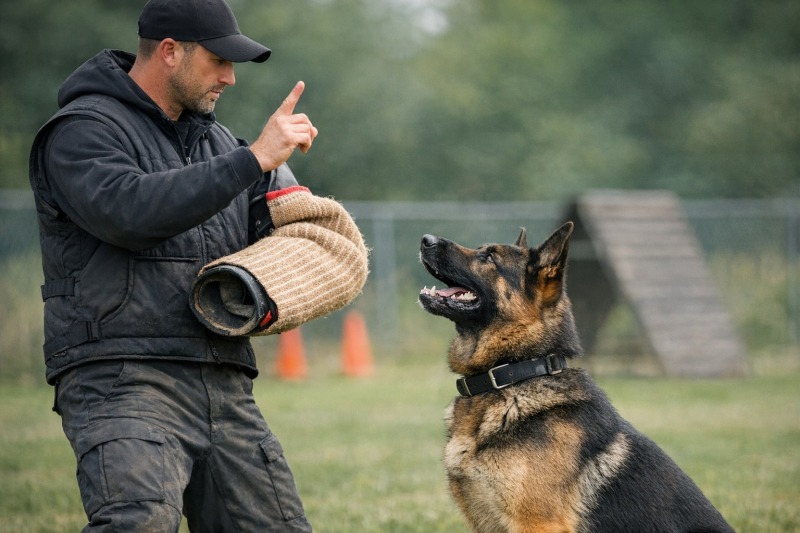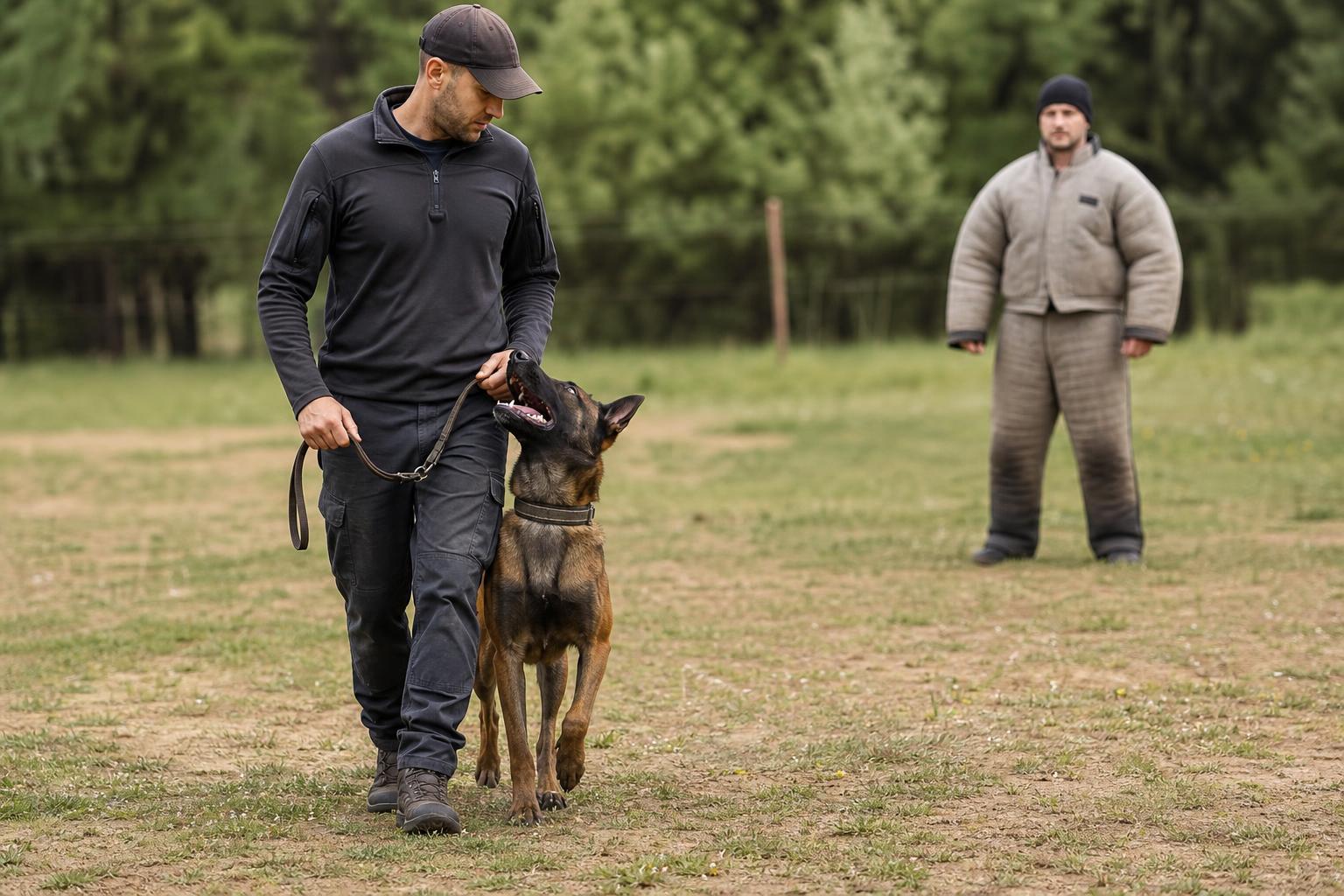
Folks who are new to working dogs often picture protection training as a fast road to barking, biting, and intimidation. That is not how real protection work is built, and anyone who has spent serious time around good dogs knows it. A true protection dog is not a reckless animal looking for trouble. It is a balanced dog with clear nerves, sound genetics, steady obedience, and the judgment to switch from calm companion to active defender when the situation calls for it.
In the field, around kennels, or on a training ground, the best ones are never the noisiest. They are the dogs watching, processing, and waiting on direction. That same quality matters in protection work. The training process for protection dogs is not about manufacturing aggression. It is about channeling drives, sharpening control, and teaching a dog how to perform under stress without falling apart or making bad decisions.
For dog owners interested in working dogs, it helps to understand that this process takes time. It is layered. It starts long before a dog ever sees a bite sleeve or hears a decoy put pressure on him. The foundation is where most of the real work is done, and if that part is rushed, the rest will always show cracks.
Starting With the Right Dog
Protection training begins with selection. Not every dog is suited for this kind of work, no matter how much heart the owner has. The best prospects usually have stable temperament, strong nerves, confidence in new environments, solid prey and defense drive balance, and a natural willingness to engage with a handler. A dog that is fearful, environmentally weak, or unstable should never be pushed into protection work.
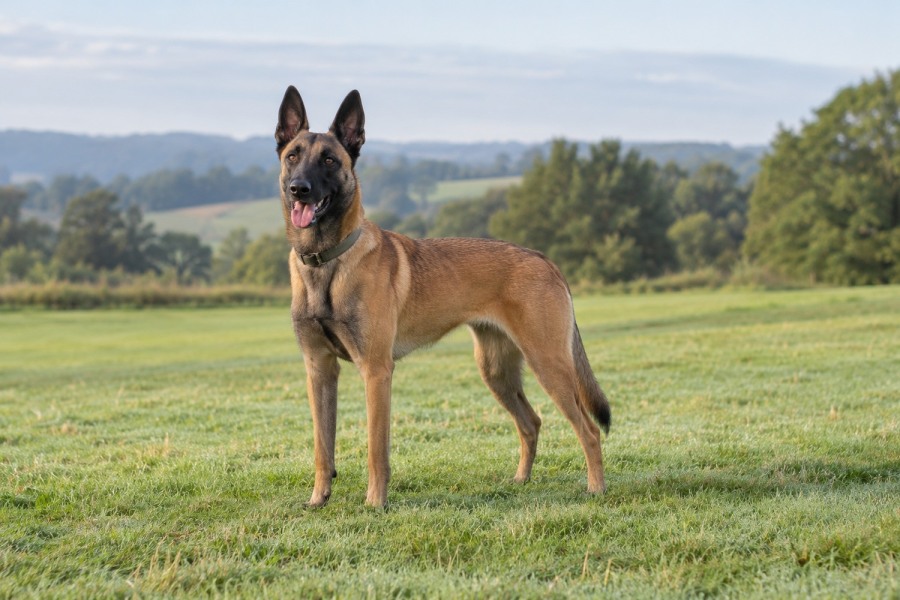
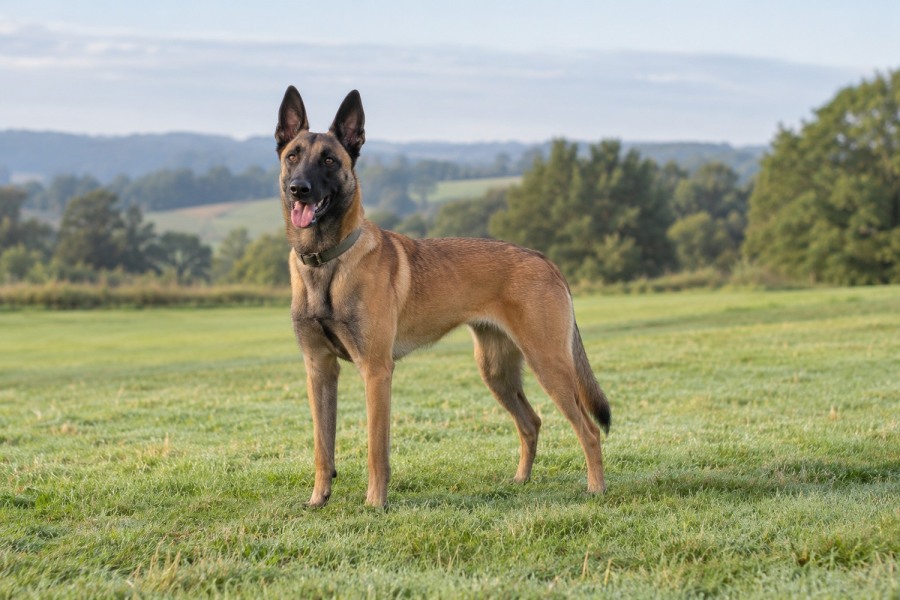
Good trainers look closely at the dog in front of them. They watch how the dog handles pressure, whether recovery is quick after a surprise, and how deeply the dog wants to work. A dog that startles and cannot reset is a very different animal from one that notices a challenge, stands his ground, and looks for a job. Breed matters to a degree, but temperament matters more. A well-bred German Shepherd, Belgian Malinois, Doberman, Cane Corso, or Giant Schnauzer may all be considered, but the individual dog is always the final answer.
Foundation Before Protection
Before any serious protection drills begin, the dog needs a broad base. Obedience, socialization, environmental exposure, and engagement with the handler come first. This stage may not look exciting to outsiders, but it is what separates a dependable protection dog from a liability.
Obedience Creates Safety
A protection dog must understand basic obedience under distraction. Sit, down, heel, place, recall, and out are not optional pieces. They are the brakes on the machine. A dog that will bite but will not release, or a dog that will pursue but will not recall, is not trained. It is dangerous.
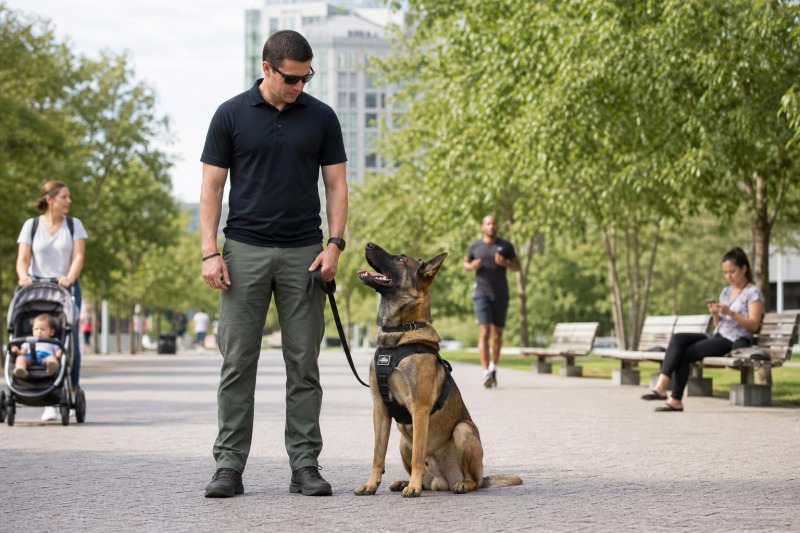
One of the most important lessons any trainer teaches is that control comes before intensity. The dog learns to listen when calm, then when excited, then when challenged. The obedience has to hold on a quiet training field and in a noisy parking lot. It needs to hold around strangers, vehicles, uneven footing, and unfamiliar sound. A dog cannot protect responsibly if he falls apart the moment the world gets messy.
Socialization Builds Stability
Proper socialization does not mean letting every stranger pet the dog. In working dog circles, that misunderstanding causes trouble. Socialization means exposing the dog to the world in a structured way so he learns confidence and neutrality. He should be able to move through crowds, hear clanging doors, see odd surfaces, and encounter normal daily pressure without becoming reactive or uncertain.
The pup that was unsure on slick floors or startled by metal stairs often becomes a steady adult when handled correctly. That confidence carries into every later stage of protection training.
Drive Development and Early Protection Work
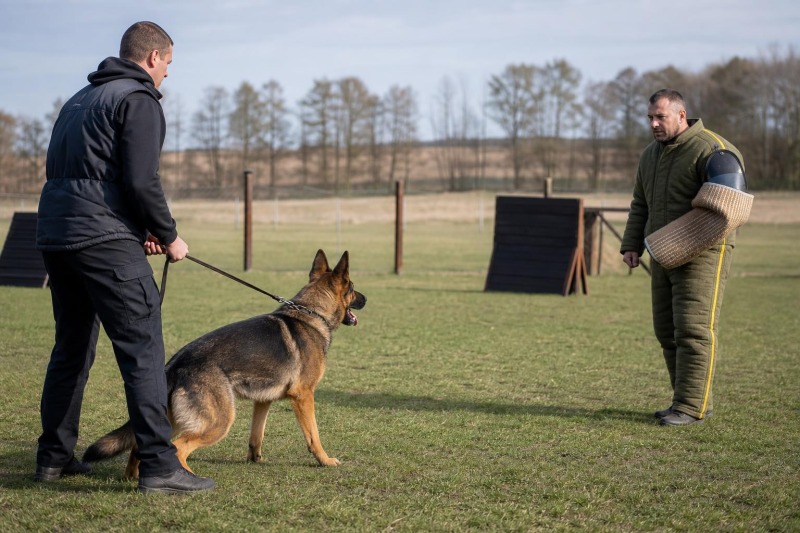
Once the dog has maturity, confidence, and obedience in place, trainers begin tapping into natural drives. Early protection training often starts with prey development. The decoy uses movement, body language, and equipment to awaken the dog’s desire to chase, grip, and engage. At this point, the work is less about aggression and more about building commitment, confidence, and full grips.
A good decoy reads the dog carefully. He knows when to challenge, when to retreat, and how to reward the right response. This is an art as much as a system. Push too hard and you can bring out avoidance or defensive weakness. Keep it too soft and the dog may never learn to fight through pressure. The balance matters.
The dog is usually introduced to rags, tugs, wedges, or sleeves in ways that encourage a clean, confident bite. Trainers want calm, full-mouth grips rather than frantic chewing or shallow bites. Grip tells you a lot about the dog’s state of mind. A full, steady grip often reflects confidence and clarity. A hectic grip can reveal stress, conflict, or lack of development.
Teaching the Bark and Hold
One of the classic protection dog skills is the bark and hold. The dog learns to confront a threatening person or decoy without automatically biting. He must stay engaged, apply pressure with his presence and voice, and wait for the handler’s command or for the suspect’s action. This is where real control begins to show.
There is a world of difference between a dog that can explode into motion and a dog that can stand in front of a man, barking with conviction while staying mentally connected to his handler. That kind of steadiness does not happen by accident. It is built through careful repetition and timing.
Adding Defensive Pressure
As training progresses, the dog is exposed to more realistic defensive scenarios. The decoy may add posture, eye contact, threatening movement, stick pressure, noise, or environmental stress. This is where trainers begin to see whether the dog can stay in the fight when things stop looking like a game.
A dog with the right nerves learns to move forward under pressure rather than backward. He does not become wild. He becomes more serious. That seriousness must still be tied to obedience and handler control. The dog learns that engagement is part of the job, but so is releasing, guarding, re-engaging only when appropriate, and shutting off the moment the handler says the work is done.
This stage is often where inexperienced owners make mistakes if they train without professional help. Pressure work needs skill, judgment, and safe setup. A trainer has to understand canine behavior deeply enough to know whether a dog is building confidence or simply surviving stress. Those are two very different things.
The Importance of the Out Command
If there is one command that deserves special respect in protection dog training, it is the out. Releasing on command is not a small detail. It is a cornerstone of reliability. The dog must understand that once the handler calls him off, the action ends immediately.
That lesson is not taught by force alone, and it should never become a battle of frustration. The best outs come from a dog that understands the rules of the game, trusts the handler, and has been trained with consistency. A fast, clean release followed by a guarded watch or return to heel shows maturity. In real life, that level of control can make all the difference.
Scenario Training and Real-World Proofing
Protection dogs eventually need to work beyond the training field. That means proofing skills in different places and under changing conditions. Vehicles, home entries, dark buildings, fenced yards, and public spaces all challenge the dog in new ways. The dog must learn that the job stays the same even when the setting changes.
Proofing also tests the handler. A protection dog is only as useful as the person directing him. Handlers must learn timing, leash management, reading body language, and understanding when to command, when to hold, and when to de-escalate. A seasoned trainer can spot a green handler almost as fast as he can spot a green dog, and both need education.
In the best programs, training includes calm scenario work rather than endless chaos. Not every situation should look like a full bite exercise. Sometimes the dog needs to watch, posture, and remain composed while the handler takes control. That measured response is what responsible owners should want.
Maintenance Never Ends
A finished protection dog is not truly finished. Skills fade when they are not maintained. Obedience must be refreshed. Physical conditioning matters. Bite work needs regular, thoughtful upkeep. Confidence has to be protected, and bad habits have to be corrected early.
Short, clean sessions often do more good than occasional hard ones. The dog should stay eager, clear, and physically sound. Training is not there to prove toughness every weekend. It is there to preserve performance over the long haul.
Choosing the Right Trainer Matters
Anyone considering protection dog training should work with a qualified professional. This is not a corner of the dog world where shortcuts pay off. The right trainer will evaluate the dog honestly, explain the process clearly, and put safety and stability first. He will care as much about temperament and obedience as he does about bite work.
If a trainer talks only about aggression, intensity, or making a dog mean, walk away. A proper protection dog should be safe in the home, clear in the head, and obedient in every phase of work. The goal is a trustworthy dog that can respond to a threat, not a dog that creates one.
The training process for protection dogs is built on patience, structure, and respect for what the dog is. Done right, it develops an animal that is strong, discerning, and under control. Done wrong, it can ruin a good dog and put people at risk.
They did not need to advertise what they were capable of. You could see it in their posture, in the way they watched a stranger approach the gate, and in how quickly they settled when their handler told them all was well. That is the standard worth aiming for. Not noise, not chaos, but a dog with the courage to act and the discipline to stop.
For owners interested in working dogs, that is the heart of the matter. Protection training is not about building fear or feeding ego. It is about creating a reliable partner through careful selection, skilled guidance, and steady training over time.