Socialization for Working Dogs: Building the Dog Before the Job
Socialization gives a working-dog prospect manageable experience of people, surfaces, sounds, and everyday situations. The goal is a dog that can recover and remain functional when the setting changes. Exposure should build confidence without overwhelming the individual.
Socialization for working dogs is not about turning a hard-going dog soft. It is not about making every pup into a social butterfly that needs constant attention from strangers. It is about producing a clear-headed, confident animal that can step into new places, handle pressure, recover from surprise, and keep its mind on the job. A dog that has seen enough of life early on usually wastes less energy worrying and gives you more of itself when it counts.
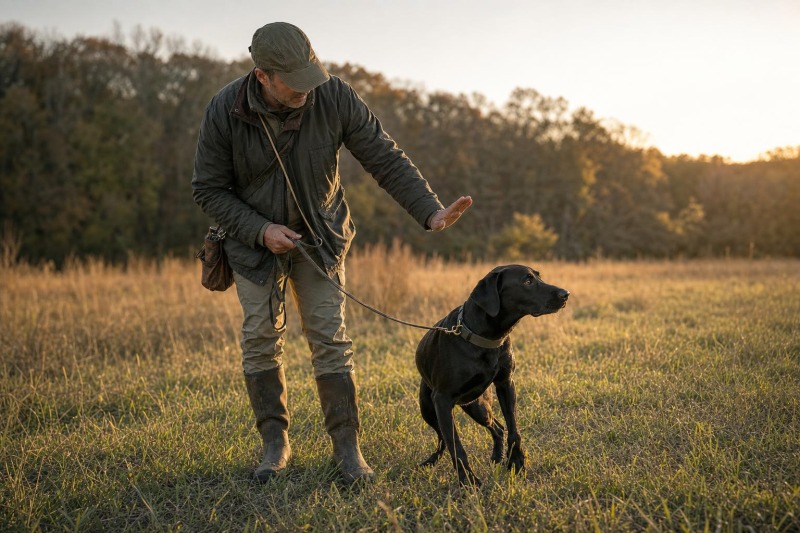
One young dog steps off the truck, takes in the scent of wet cattails, hears distant gunfire, notices a stranger in chest waders, and goes right to work. Another dog with equal breeding and desire spends half the morning wide-eyed and unsettled because too much of the world is still new. That gap often starts with socialization, or the lack of it.
Why Socialization Matters in a Working Dog
Working dogs are asked to perform in environments that shift fast and rarely stay neat. A retriever may ride quietly in a dog box, wait on a vibrating boat, hear volleys overhead, and then hit black water through ice. A pointing dog may move from kennel to truck, from gravel road to cut corn, from open prairie to thick cover, all before lunch. A stock dog may deal with machinery, gates, shouting, livestock movement, and unfamiliar footing in one session. If the dog has not learned early that new sights, sounds, surfaces, and people are normal parts of life, stress can take over where focus should be.
Proper socialization also supports training. Dogs learn best when their brains are available. A pup that is anxious about every strange object, every visitor, or every trip away from home is not in much shape to absorb lessons. Socialization lowers that background noise. It teaches the dog to adapt. When adaptation becomes habit, training comes smoother and performance becomes steadier.
Confidence Is Not the Same as Boldness
This is where many owners get crossed up. They want a confident dog and assume that means a pup charging into everything without hesitation. Real confidence in a working dog looks different. It looks like curiosity without panic. It looks like caution followed by recovery. It looks like a dog that notices something new, sorts it out, and carries on. Some pups are naturally flashy and outgoing, but even those dogs need thoughtful exposure. Others are softer in temperament and require a measured hand. Both can become first-rate workers if they are shown the world in a way that builds trust instead of flooding them.
What Good Socialization Actually Looks Like
Good socialization is controlled exposure to life, paired with calm leadership. It starts young, but it does not stop after puppyhood. You introduce the dog to different people, safe dogs, vehicles, crates, kennels, slick floors, muddy banks, wooden docks, feed stores, vet tables, children at a distance, men with beards, women with hats, rattling trailers, gun cases, decoys, livestock smells, and the general clatter of everyday life. You do it without rushing, without dramatics, and without expecting perfection all at once.
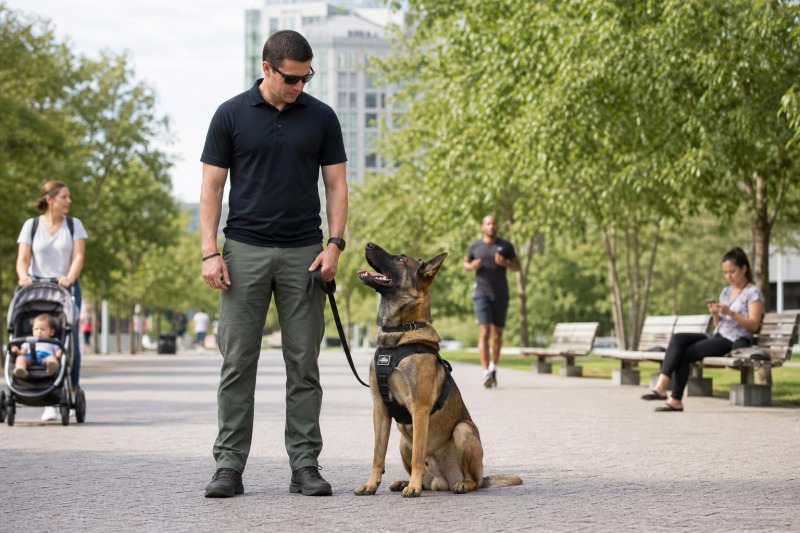
One of the best ways to socialize a future working dog is simply to let it be included in your life. A pup that rides along, sits quietly while you fuel up, watches the world from the tailgate, and spends time around the ordinary rhythms of a working household learns that movement and novelty are normal. Those little miles add up. Socialization does not have to be fancy. In fact, the best of it often happens in plain, regular moments.
There is also a practical side that serious dog people appreciate. A socialized dog is easier to kennel, easier to transport, easier to hand off if needed, and easier to maintain under stress. If your dog ever needs veterinary care, boarding, group training, or help from another handler, that composure matters.
Start With Exposure, Not Pressure
A common mistake is asking too much, too soon. A pup that has never heard sharp noise does not need to be marched into chaos. A young dog that has barely walked on uneven ground does not need to be thrown into a crowded training day. Let the dog see, sniff, hear, and process. Keep your own demeanor steady. If you fuss over the pup every time it hesitates, you can accidentally teach it that uncertainty deserves concern. If you drag it through fear, you teach it the world is overwhelming. The middle path is usually the right one: calm encouragement, room to think, and repetition over time.
The Best Window, and Why It Still Continues
Early puppyhood is the prime window for socialization, and anyone raising a future working dog should make the most of it. That said, owners sometimes get discouraged if they start late. Do not make that mistake. Early work is powerful, but older dogs can still learn confidence and stability through thoughtful exposure. It may take more patience, and progress may come in smaller steps, but the door is not closed.
What matters most is consistency. One good weekend does not fully prepare a dog for the demands of a season. A pup benefits from repeated trips, repeated handling, repeated introductions, and repeated chances to solve little problems without falling apart. Socialization is less like flipping a switch and more like laying stone. You build it piece by piece until the dog has solid footing.
Socialization in Real Working Dog Settings
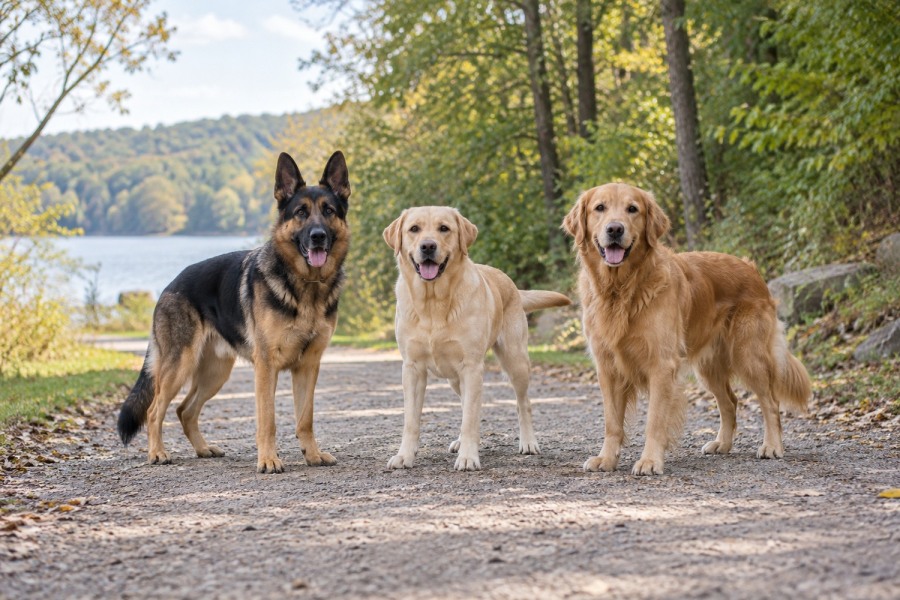
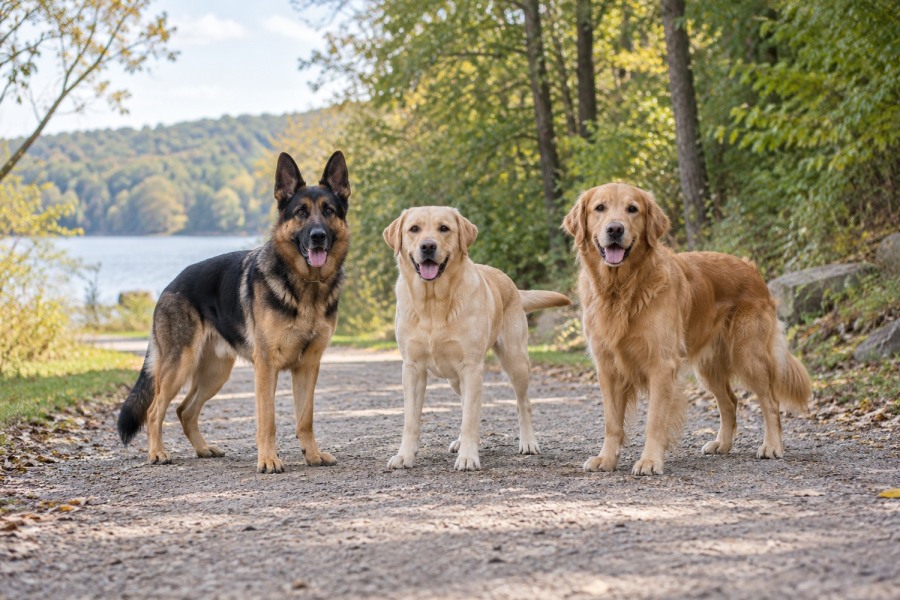
There is a difference between socializing a pet and socializing a working dog. The goal is not to have the dog greet every passerby with wagging enthusiasm. The goal is neutrality where needed and steadiness everywhere else. A bird dog should be able to stand around other dogs without acting foolish. A retriever should tolerate busy boat ramps and strange hunting partners without losing composure. A stock dog should ignore unnecessary commotion and key in on the handler and livestock. Socialization should support the job, not distract from it.
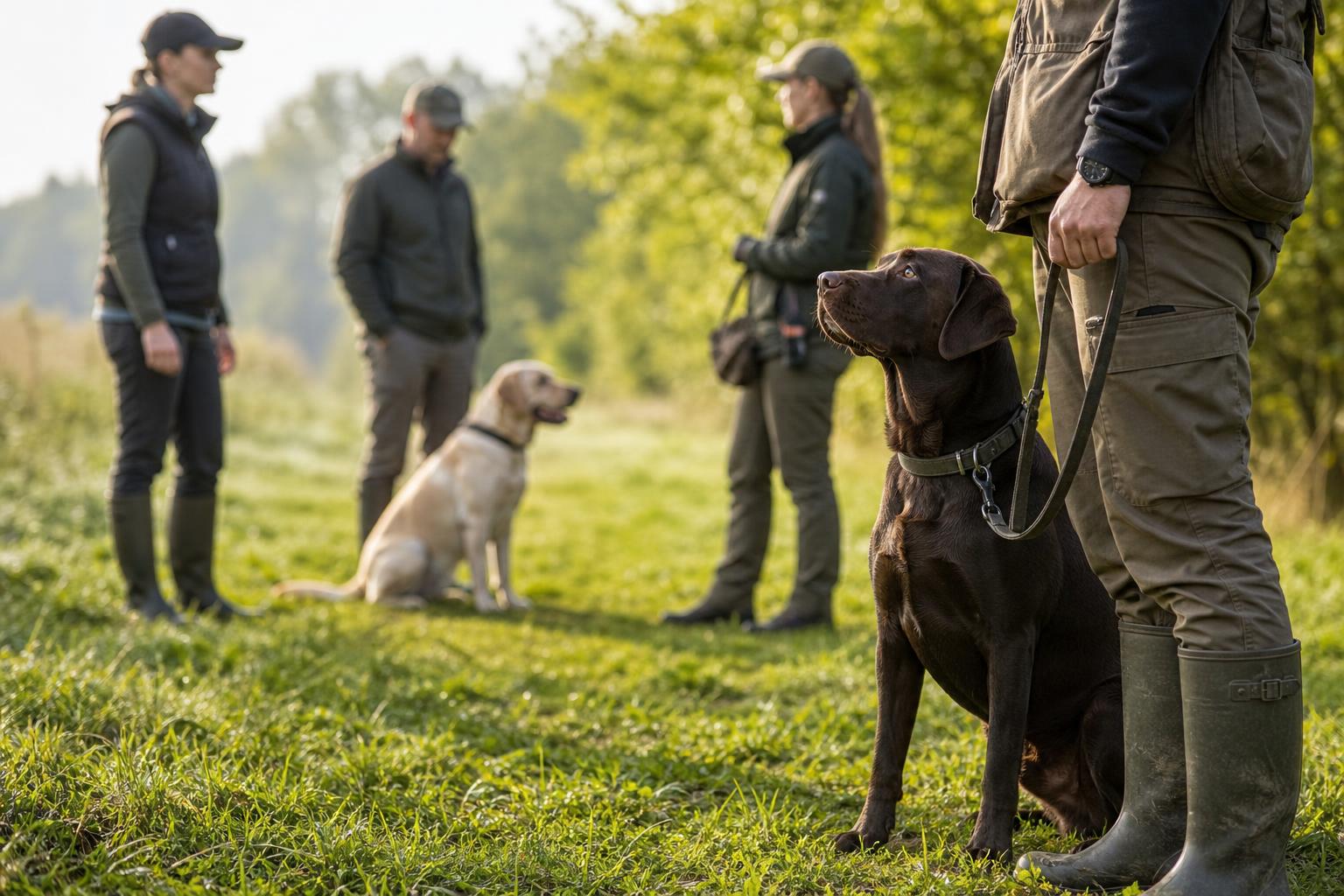
Let them walk around decoys, hear doors slam, step in and out of dog boxes, climb onto low platforms, and move across gravel, grass, mud, and timber. Let them watch older finished dogs if those older dogs are steady and reliable. A young dog can learn a lot from the calm presence of a seasoned one. Just be careful not to let rough dogs or chaotic settings sour the lesson.
People Matter Too
Some working dogs are naturally handler-focused and a bit reserved with strangers. That is fine. Socialization does not mean forcing affection. It means teaching the dog that other people exist without posing a threat. Let the pup be handled by trusted folks. Let it learn that a check at the ears, feet, mouth, and collar is no cause for alarm. That pays off later in training days, hunt tests, veterinary visits, and the ordinary moments when someone else needs to open a gate or load a crate.
Common Mistakes That Set Dogs Back
The biggest mistake is confusing quantity with quality. Too much stimulation, stacked too fast, can leave a pup more worried instead of more capable. Another mistake is sheltering a dog so heavily that every new experience becomes a major event. Then there is inconsistency. If the dog spends weeks in a kennel with little exposure, confidence can stall. Good dogs often pause. Let them think. Recovery matters more than instant bravado.
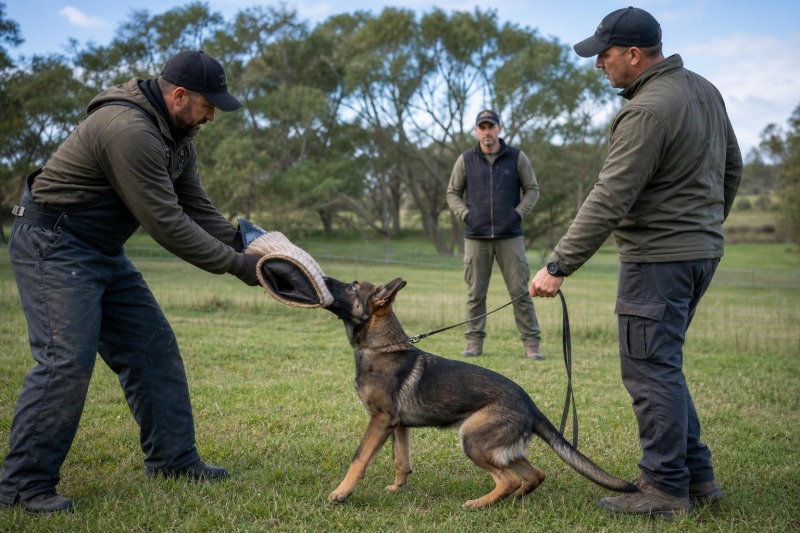
It is also worth saying that socialization is not a substitute for training, and training is not a substitute for socialization. A dog can know commands and still be environmentally shaky. Another dog can be worldly and relaxed but lack discipline. The best working dogs have both. They are comfortable in their skin and clear on their job.
The Long-Term Payoff
When socialization is done right, the results show up everywhere. The dog settles faster in new places. It handles travel better. It recovers from surprises quicker. It stays more responsive when pressure rises. In the field, that often looks like a dog staying honest to its work instead of unraveling because the conditions changed. In daily life, it looks like a dog that is easier to live with, easier to manage, and more trustworthy in unfamiliar situations.
That kind of steadiness is not an accident. It comes from many ordinary decisions made early and reinforced often. A few extra trips. A few calm introductions. A little patience when the dog needs a moment to sort things out. Most owners remember the flashy pieces of development, the first retrieve, the first clean point, the first real track.
If you want a true working partner, one that can travel, adapt, and hold itself together when the day gets complicated, start with socialization and take it seriously. Build the dog before you polish the job. Do that, and when the weather turns, the guns go off, the birds fall, the stock breaks, or the pressure rises, you stand a much better chance of having a dog that stays with you and goes to work like it belongs there.