K9 Vehicle Units: More Than Just a Ride
A K9 vehicle setup needs to provide secure transport and a suitable environment for the dog. Ventilation, temperature management, restraint, access, and equipment storage should be considered together. Regular checks help make the arrangement dependable in daily use.
Sometimes that works for a while. Then summer heat rolls in, a rough road shifts the kennel, or a dog comes out stiff, anxious, and distracted. That is when people learn the hard way that a true K9 vehicle unit is a purpose-built system. It is designed to move a dog securely, keep temperatures in check, and make daily deployment smooth for the handler.
For dog owners interested in working dogs, that distinction matters. Whether your dog hunts, tracks, detects, protects, or does all of the above in some form, your vehicle setup affects performance every single day.
What Defines a Good K9 Vehicle Unit
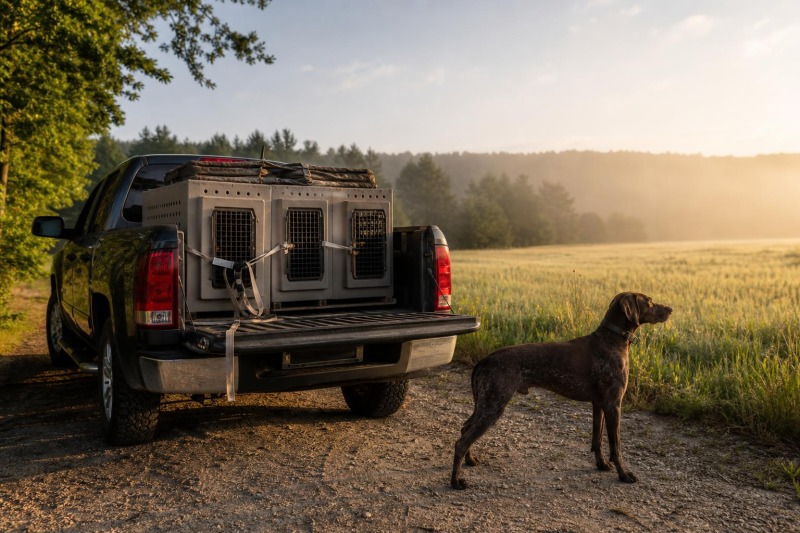
A solid K9 vehicle unit starts with containment, but it does not end there. The kennel or insert has to be strong enough to hold up in real-world travel, from hard braking to rough country roads. It also needs proper ventilation, dependable door hardware, and enough room for the dog to ride without being cramped or tossed around.
The best units feel almost boring once installed, and that is a compliment. They do their job quietly. The dog loads with confidence, settles quickly, and comes out ready to work. There is no rattling box, no improvised tie-downs, and no guessing about whether airflow is good enough on a warm afternoon. Good equipment removes doubt.
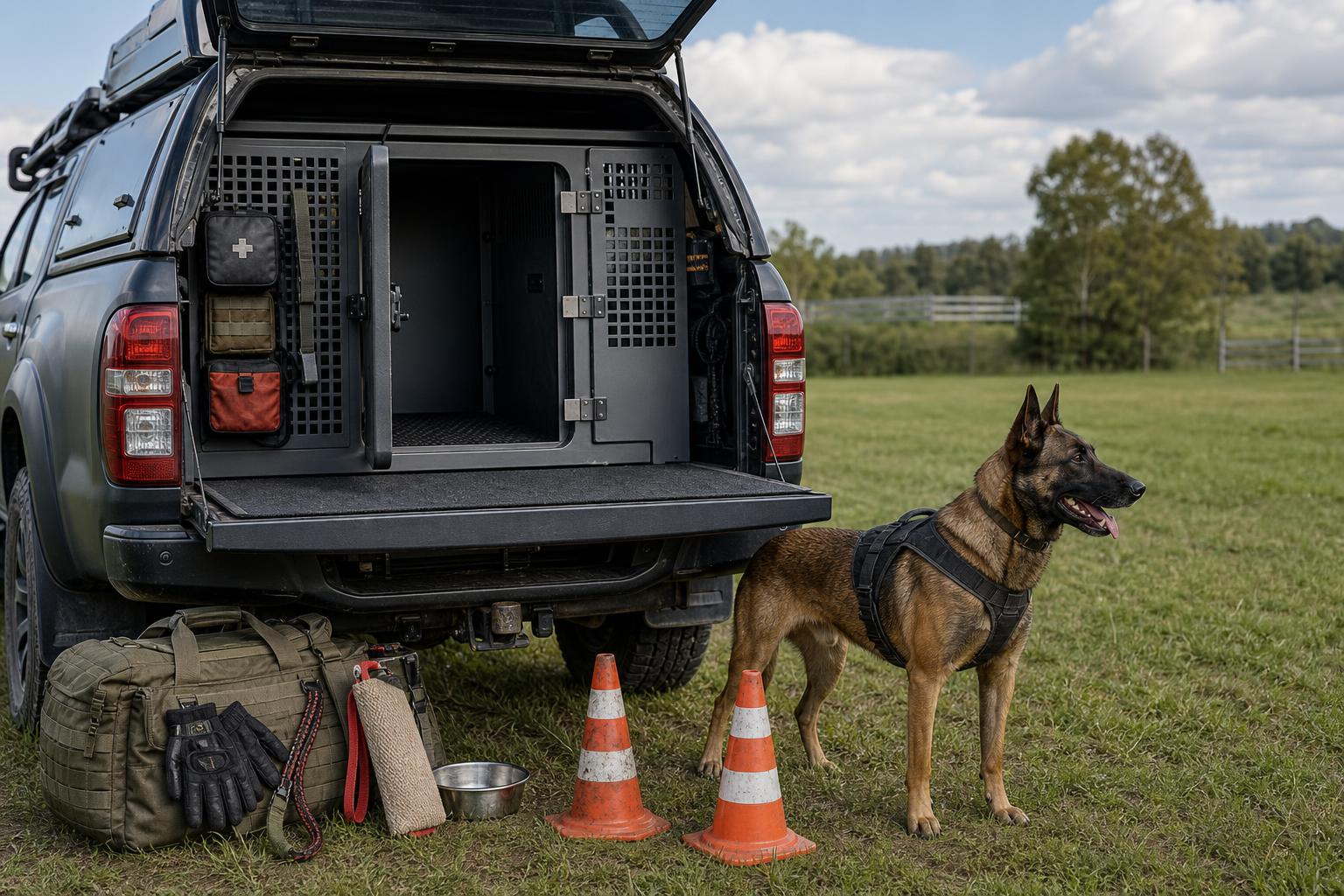
Many modern K9 vehicle units also include fans, heat alarms, door pop systems, water access, storage compartments, and insulated kennel walls. Those features are not there for show. They solve practical problems handlers deal with every week. A dog sitting in a parked vehicle can get into trouble fast if air movement fails or temperatures climb. A serious setup accounts for that before it becomes an emergency.
Safety Comes First
A K9 unit should be mounted securely and matched to the vehicle. That sounds simple, but too many people still rely on temporary solutions. In a sudden stop or collision, loose equipment becomes dangerous in a hurry. The dog, the handler, and even passengers are all at risk.
A proper unit keeps the dog contained and reduces movement during travel. It should have solid latches, escape-resistant construction, and materials that can handle wear. Working dogs do not live gentle lives. They scratch, paw, lean, shake off mud, and slam into kennel doors when excitement runs high. Cheap setups tend to show their weakness quickly.
Temperature Control Is Non-Negotiable
Any seasoned handler will tell you that heat is one of the biggest concerns in K9 transport. Heat can put down the best dog in the world. That is why fans, ventilation systems, window access, and temperature monitoring are so important in K9 vehicle units.
Conditions change fast. A quality unit helps buffer those swings. Insulation, airflow, and warning systems buy time and provide peace of mind. For working dogs, especially those asked to perform after transport, managing that environment is just as important as feeding quality dog food or keeping up with conditioning.
Matching the Unit to the Dog and the Job
Not every K9 vehicle unit is right for every dog. A compact detection dog may ride comfortably in a setup that would be too tight for a larger patrol dog or a broad-chested retriever in hunting season. The dog should be able to sit, lie down, and brace naturally during travel. Too much extra space is not always ideal either, since the dog can be thrown around more on rough roads or quick turns.
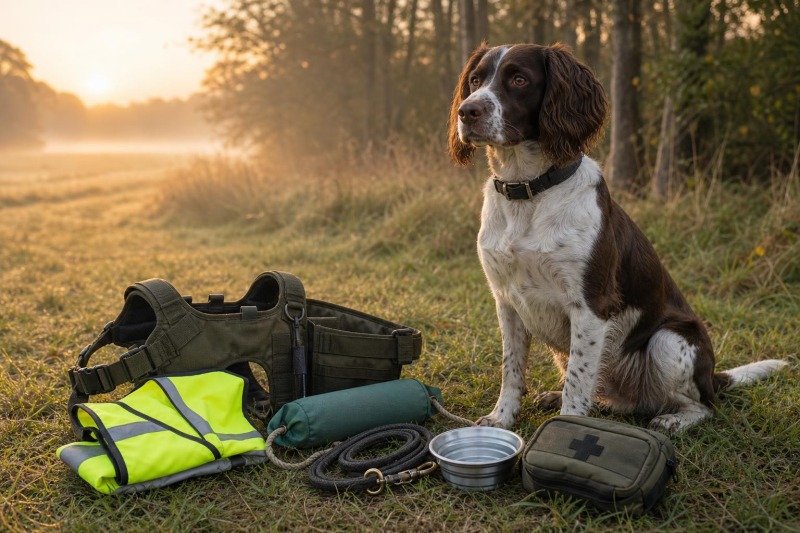
The dog’s work should guide the build. A police or security handler may need quick deployment doors and integrated electronics. A hunter running multiple dogs might value easy cleaning, drainage, and storage for gear, leads, first aid supplies, and water. Search and rescue handlers may need room for additional field equipment along with safe transport for one or more dogs over long distances.
If you travel hard, train often, and use your dog in all seasons, you need a unit built for routine abuse and practical use.
Single-Dog vs. Dual-Dog Setups
There is a real difference between transporting one dog and managing two. A single-dog unit gives you flexibility and often more room for storage. A dual-dog system demands smarter layout, more airflow planning, and careful attention to access. If one dog is high drive and the other rides quietly, placement inside the vehicle can affect how calm the whole trip feels.
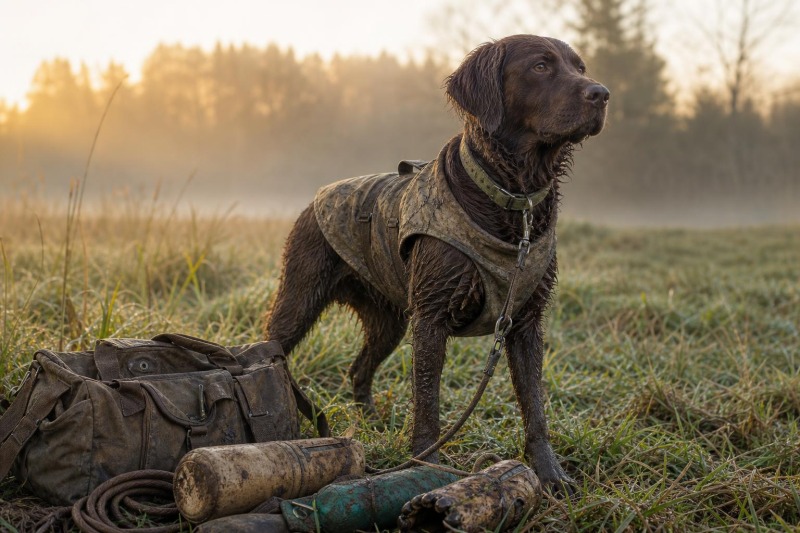
Handlers with multiple dogs should also think about cleaning and contamination. Mud, hair, slobber, and the occasional mess after a hard day in the field all add up. Easy-wash interiors and removable mats are worth their weight in gold.
Day-to-Day Use in the Real World
A K9 vehicle unit can look excellent on paper and still be frustrating in daily use. Can you open the kennel smoothly with gloves on? Is the dog loading naturally, or does it hesitate? Can you clean it out at the end of a wet day without turning it into a long project?
Those details matter more than people think. The best working dog handlers build habits, and equipment should support those habits. A dog that loads smoothly saves time and stress. A kennel that dries quickly stays cleaner and healthier. A system with sensible storage keeps leads, rewards, and medical gear where they belong instead of scattered through the cab.
There is also the matter of noise. Dogs notice rattles, vibration, and unstable footing. A noisy ride can make a dog restless over time. Quiet, secure installation goes a long way toward keeping a working dog calm and steady before the task even begins.
Cleaning, Maintenance, and Longevity
No matter what the sales brochure says, every K9 vehicle unit needs maintenance. Fans should be checked. Latches should be inspected. Vents need to stay clear. Bedding, mats, and interior surfaces have to be cleaned regularly. If you transport dogs often, grime builds up faster than most people expect.
A failed fan on a warm day or a sticky latch during a fast deployment is not the time to learn something was neglected. Durable gear lasts longest when it is treated like field equipment instead of furniture.
Why Serious Dog Owners Should Care
Even if you are not running a law enforcement dog, K9 vehicle units still deserve your attention. Many sporting and utility dogs travel often enough that a proper transport system makes a real difference. A dog that arrives fresh, cool, and composed is in a better position to perform well and stay healthy over the long run.
Think of it the same way an old hunter thinks about boots, shotguns, or a dependable truck. Good tools earn their keep. A quality vehicle unit protects your dog when the road is rough, the weather turns, or the day stretches longer than planned. It also tells you something about your own standards as a handler. If you expect a dog to give you honest work, the least you can do is give that dog a safe place to ride.
Choosing a K9 Vehicle Unit With Confidence
When it comes time to choose, focus on safety, ventilation, fit, ease of use, and build quality before you get distracted by flashy extras. Features are valuable when they serve the dog and the handler, but the basics have to be right first. Mounting, airflow, access, and dependable construction are the backbone of any trustworthy setup.
Talk to people who use their dogs often. Look closely at how the unit is installed. Picture your dog after a long drive in August, not just a short trip on a mild spring day. That kind of honest thinking leads to better decisions.
K9 vehicle units are about readiness and responsibility. They protect a dog that works hard, travels often, and depends on its handler to make smart choices. When the kennel is right, the dog rides better, works better, and recovers better. After enough miles behind good dogs, that is not theory. It is plain truth.