Kennels and transport arrangements affect a working dog’s rest, health, and readiness. Space, ventilation, security, sanitation, and manageable routines are the practical foundations. The setup needs to work during travel and recovery as well as before a session.
Folks sometimes focus on breeding, feed, and training while overlooking the spaces a dog spends most of its off-hours in. That is a mistake. For working dogs, housing and transport are part of the foundation.
Why kennel design matters for working dogs
A working dog needs a kennel that supports rest as much as it supports management. The best kennel setups are easy to clean, dry out well after rain, allow for airflow, and give the dog enough room to stand, turn, stretch, and settle without wasting space. Bigger is not always better if the dog feels exposed, and smaller certainly is not better if the dog cannot rest comfortably after a hard day.
On a cold morning after chasing birds through broom sedge or pushing through cattails, a dog should come home to shelter that blocks wind, sheds water, and offers a dry place to lie down. In hot weather, the same kennel needs shade, moving air, and protection from trapped heat. Climate drives design. A kennel that works in the upper Midwest may need a different roof, floor, and ventilation plan than one in the Deep South.
Material choice matters too. Chain link remains common because it is durable and open, but open sides can create too much weather exposure in some regions. Welded wire panels, composite panels, and well-built wood elements can all work if they are maintained and designed with sanitation in mind. The main thing is this: if moisture, waste, and heat build up, problems follow. Skin issues, foot troubles, flies, and kennel stress all start showing up sooner than later.
Flooring, drainage, and daily cleanup
Mud and standing water make for miserable dogs and endless maintenance. Concrete, finished properly with slight slope and reliable drainage, remains one of the most practical options for working kennels. It cleans easily and holds up. Some handlers prefer gravel runs for drainage, and those can work if managed carefully, but they take more upkeep and can hide waste if you get lazy with a rake.
Cleanliness is not just about odor. It is about recovery and disease control. A dog that spends nights on damp footing after hard work is more likely to develop soreness and skin irritation. A kennel that can be sprayed, scrubbed, and dried quickly makes life better for both dog and owner. Simple systems maintained every day outperform fancy setups neglected for a week.
Comfort and security in the kennel yard
Working dogs do best when they know how to settle. A kennel should teach that lesson, not fight it. Solid shelter inside the run gives the dog a place to switch off. Good bedding in the right season helps, though bedding choice depends on the dog, the weather, and how destructive that dog is when bored. Some dogs keep straw beautifully in winter. Others turn every soft material into confetti by noon.
Security is another piece that deserves more respect. Gates, latches, and panel strength should be chosen for the dog you own, not the dog you wish you owned. A calm retriever and a high-drive shepherd can test equipment in very different ways. A weak latch can become a hard lesson in one afternoon. Perimeter fencing around the kennel area adds another layer of protection against escapes and outside threats, especially in rural areas where stray dogs, coyotes, or curious livestock may come too close.
Noise and visual stress matter more than many owners realize. Some dogs pace and bark constantly if they face every driveway movement or every dog in the yard. Strategic placement, partial visual barriers, and a predictable routine can lower stress and help a dog conserve energy. A dog that sleeps deeply and wakes up clear-headed is better prepared for training and field work.
Transport systems that protect performance
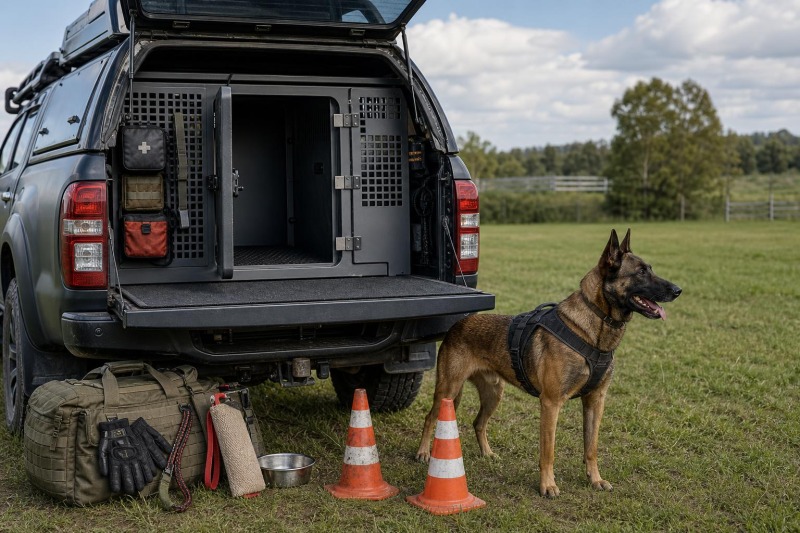
The ride to the grounds is part of the workday. Whether you are hauling one retriever to the marsh or several versatile dogs across county lines, transport should protect the dog from impact, overheating, weather, and fatigue. This is where purpose-built dog boxes and crash-tested crates earn their keep.
Loose in truck beds, sliding around cargo areas, tied short under caps with poor airflow. Some of those dogs got lucky. Some did not. We know better now. A good transport crate should fit the dog well enough to prevent hard sliding but not so tight that the dog cannot adjust position comfortably. It should be secure in the vehicle, ventilated for the season, and shaded from direct heat load.
Ventilation and temperature management on the road
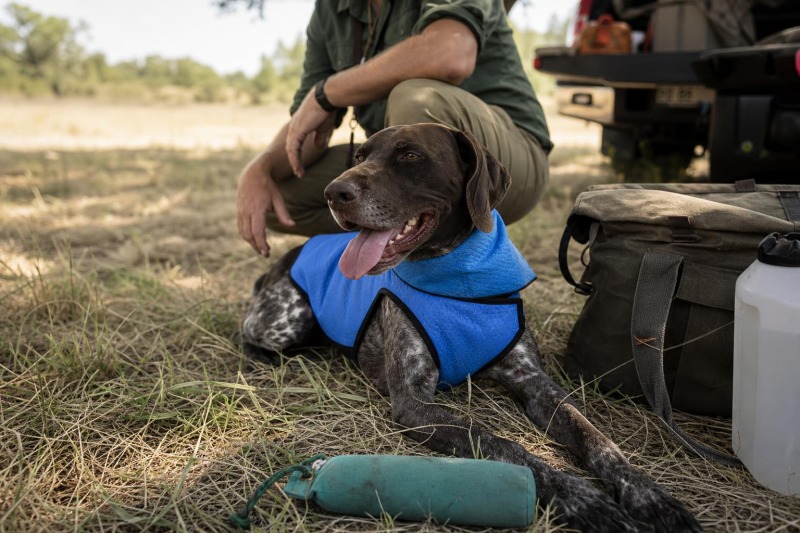
Heat is the enemy most often underestimated. Even a fit dog can get into trouble quickly in a poorly ventilated box, especially after exercise or on warm, humid days. Cross ventilation, reflective surfaces, fans where appropriate, and disciplined parking habits all matter. If the sun is hammering one side of the truck at a trial ground or public area, the interior temperature of a dog box can climb faster than people expect.
Cold weather has its own risks. A dog riding wet in frigid air can lose body heat fast, particularly if the transport box is drafty. The right box in January should not feel like the right box in August without some adjustment. Doors, vents, insulation, and covers should work together, not against each other.
Choosing between in-vehicle crates and dog boxes
There is no single answer for every owner. SUV and van crates can be excellent for one or two dogs, especially when they are crash-tested and anchored correctly. They often give better climate control because the dogs share the vehicle’s conditioned air. For many owners, that alone makes in-cabin transport a smart option.
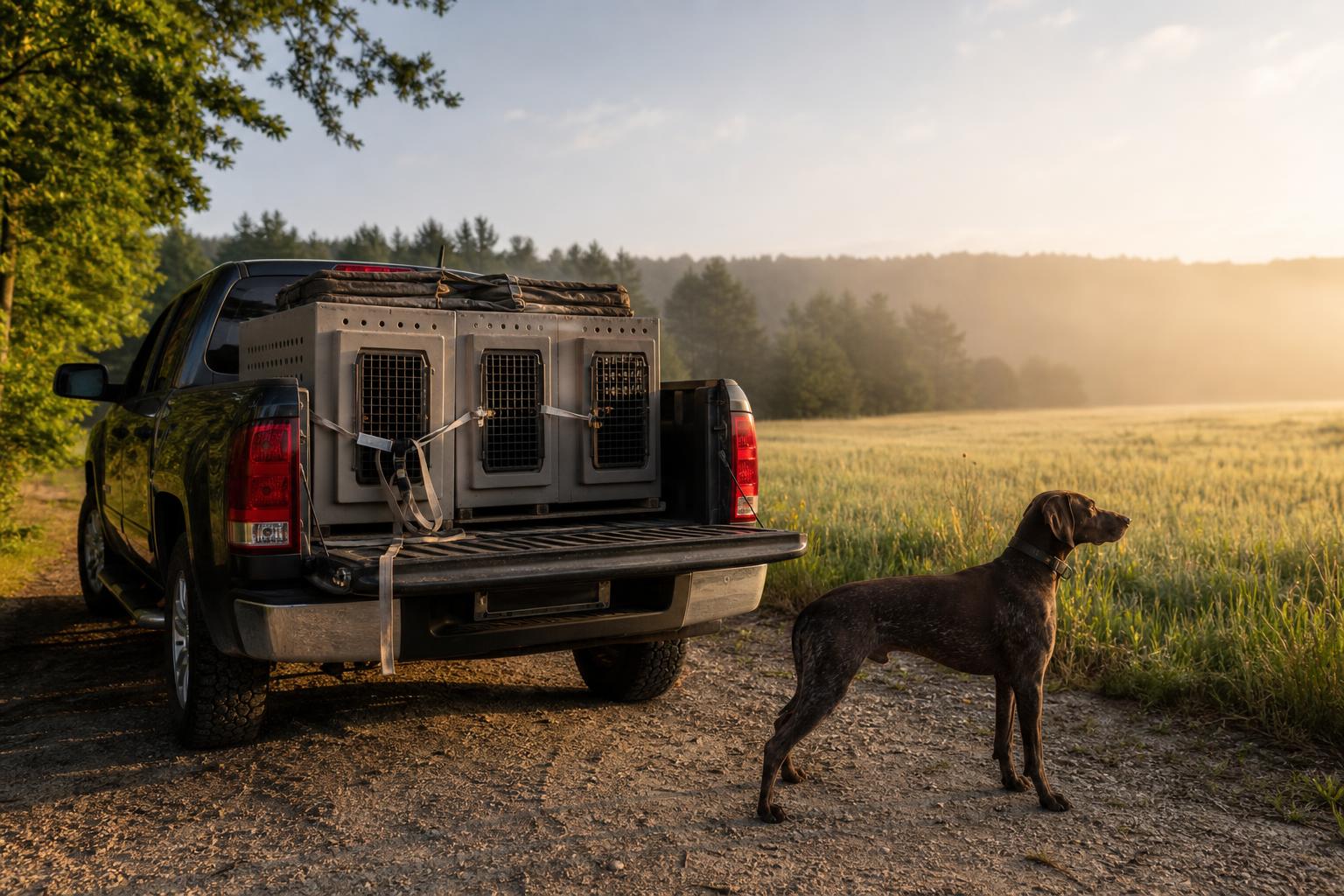
Dog boxes in truck beds remain popular for good reasons. They are durable, convenient in muddy conditions, and well suited for hunters running multiple dogs. A quality aluminum box with proper vents and dividers can serve for years. The tradeoff is that you need to think carefully about weather exposure, airflow, and heat retention. Truck bed transport can be very effective, but it rewards attention to detail and punishes carelessness.
Whichever system you choose, stability is non-negotiable. A crate that shifts in a sudden stop is a hazard. A box mounted poorly in the bed is no bargain. Hardware, tie-down points, and regular inspection should be part of ownership, just like checking tires on the trailer or oil in the truck before a long run.
Conditioning, routine, and what dogs learn from travel
Dogs read routines closely. If kennel time means quiet, hydration, and recovery, and transport means a calm load-up followed by safe arrival, your dog carries less stress into the work. That matters in everything from duck blinds to upland covers to protection training. Dogs that scramble, bark, spin, and pant through every ride often need more than obedience correction. They may need a better system that teaches calm from the ground up.
That starts at home, not on opening morning. A dog should know its crate or box as a familiar place, not a punishment. Short rides, fair handling, and consistency build that understanding. Over time, the dog begins to save itself for the task ahead. That is when transport stops being a nuisance and becomes part of preparation.
Maintenance habits that keep kennels and transport reliable
Kennels and transport gear age hard because they live with dirt, moisture, claws, and weather. Hinges loosen. Latches wear. Vent openings collect hair and debris. Rubber mats trap odor if never removed and cleaned. A little routine maintenance prevents bigger trouble later. Walk the kennel line, check every gate, inspect every crate door, and look over every fastener in your transport setup. The day you find a weak point should not be the day a dog exploits it.
Good equipment also lasts longer when it is cleaned with the same discipline you expect from your dogs. Wash boxes out. Disinfect kennels sensibly. Let everything dry before closing it up. Replace cracked pans, frayed fans, rusting bolts, and worn bedding before they become problems. Reliability in the small things adds up over a season.
Building a setup that fits your dogs and your country
The best working dog kennels and transport systems are not always the most expensive. They are the ones matched to your climate, your vehicle, your schedule, and the type of dogs you run. A waterfowl hunter with two Labradors in humid country may need a very different arrangement than a bird hunter hauling a string of pointing dogs across dry western miles. A farm kennel, a suburban kennel, and a professional training yard all face different demands.
Still, the principles hold. Keep the kennel dry, clean, secure, and comfortable. Make transport stable, ventilated, and seasonally adaptable. Build routines that help dogs recover and arrive ready. When you do that, you are not just storing a dog between hunts. You are supporting an athlete that gives you everything it has when the work begins.
Any old pen and any old crate may hold a dog for a while. But if you want a dog that stays sound, travels well, and steps into the field with a clear mind, your kennel yard and transport rig deserve the same thought you give breeding and training. Good dogs notice the difference, even if they never say a word about it.