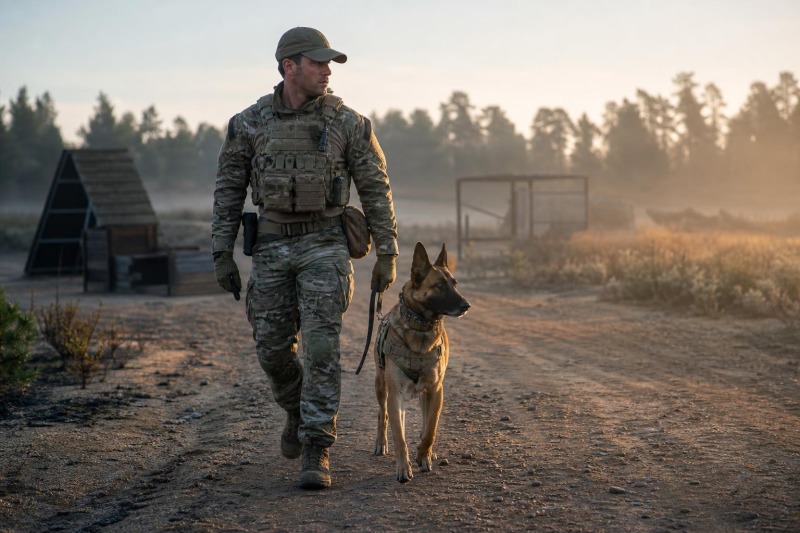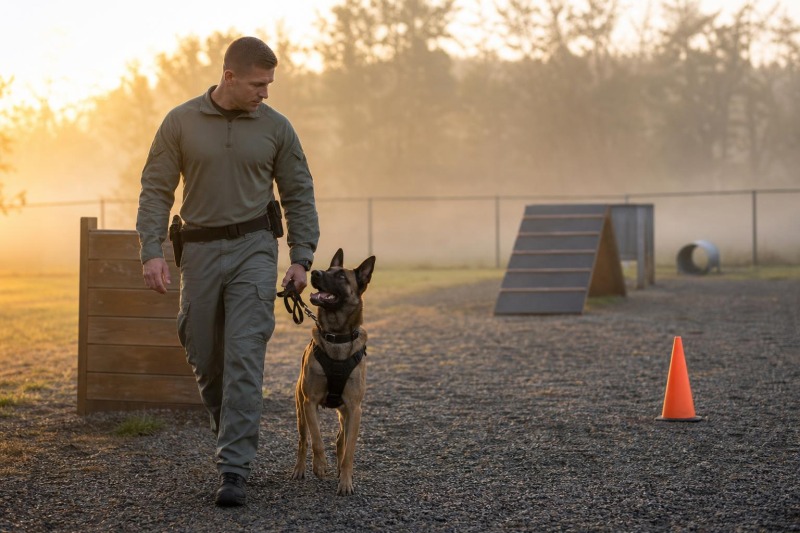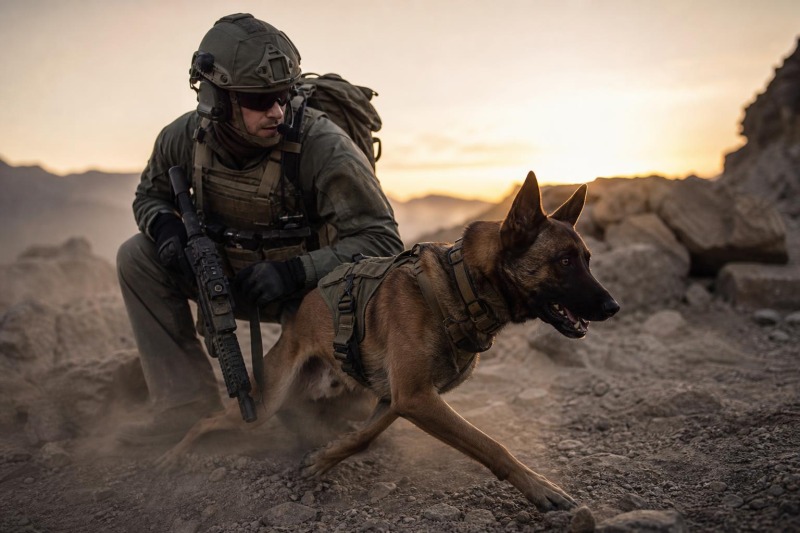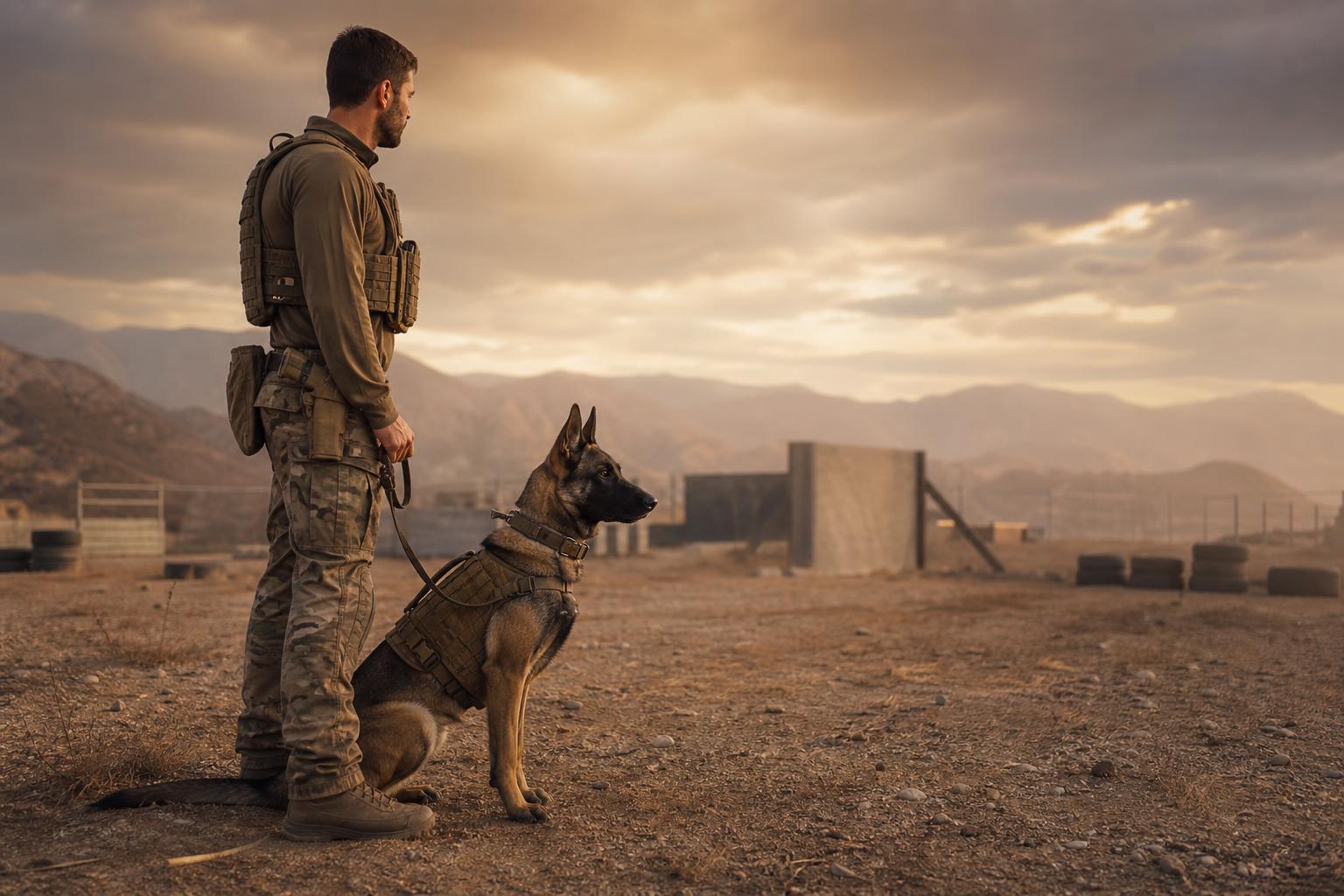
Life as a military dog handler is not something a person fully understands from the outside looking in. Folks often picture the sharp uniform, the disciplined dog at heel, and the dramatic scenes tied to patrol work or explosive detection. Those things are real enough, but they are only the outer shell. The true life of a military dog handler is built in the quiet hours before dawn, in the repetition of training, in the care of a dog after a hard day, and in the steady pressure of knowing that one mistake can carry real consequences.
Anyone who has spent years around working dogs recognizes the look in a serious handler’s eyes. It is the look of someone who knows the dog beside him is not a tool in the coldest sense, but a living partner with instinct, drive, and heart. In military service, that partnership is sharpened by duty. A handler learns to read a shift in breathing, a change in ear position, a slight tightening in the body that says the dog has caught odor or has seen something before the human ever does. Those details matter. In the field, details are often the difference between order and trouble.
The Daily Rhythm Behind the Uniform
A military dog handler’s day begins long before any mission starts. Care comes first. Dogs need to be fed, watered, inspected, and exercised. Their paws, coat, teeth, and overall condition all tell a story. A good handler notices small things early, because small things left alone can become problems. If a dog is a little off its feed, carrying itself differently, or showing less enthusiasm than normal, that is worth attention. Working dogs cannot explain discomfort in words, so the handler has to become a student of body language and routine.
From there, training takes center stage. No matter how capable a military working dog may be, reliability is built through repetition. Obedience has to stay crisp. Search patterns must be reinforced. Environmental confidence has to be maintained. Dogs are asked to work around vehicles, gunfire, crowds, unfamiliar buildings, tight spaces, and shifting conditions. That level of steadiness does not happen by accident. It is molded through countless sessions where the handler asks, rewards, corrects, and repeats until the response is clean and dependable.
There is a rugged honesty to that kind of work. Dogs do not care about rank, talk, or image. They respond to consistency. If the handler is sloppy, impatient, or unclear, the dog reflects it. If the handler is calm, fair, and precise, the dog grows more confident. That is one reason military dog handling demands maturity. You cannot bluff a good dog for long.
Training Never Really Ends
One of the biggest misconceptions is that a military working dog is trained once and then simply deployed as needed. In truth, training is constant. Detection dogs need regular exposure to target odors and realistic search problems. Patrol dogs need maintenance in controlled aggression, obedience, and recall. Dual-purpose dogs must shift from intensity to control in a heartbeat. A handler spends a large part of life reinforcing those skills so that performance holds under stress.
That ongoing work shapes the handler as much as it shapes the dog. Timing improves. Observation gets sharper. Patience deepens. A seasoned handler learns when to push, when to back off, and when the dog needs a fresh challenge to stay mentally engaged. The best teams are not built through force. They are built through communication and trust, forged over many ordinary days that eventually prepare them for extraordinary ones.
The Bond Between Handler and Dog
There is a bond between a military dog handler and dog that is hard to overstate. It is not sentimental in a soft, careless way. It is practical, hard-earned, and rooted in mutual dependence. The dog depends on the handler for leadership, care, and clarity. The handler depends on the dog for performance, warning, and unwavering effort. In high-pressure settings, that bond tightens into something closer to instinct.
It is there in the way a dog settles when it hears one familiar voice. It is there in the way a handler can often tell, just by the tension on the lead, whether the dog is in odor, distracted, or preparing to commit. Those are not tricks. They are signs of time invested.
For dog owners interested in working dogs, this is an important lesson. Strong working partnerships do not come from domination alone, and they do not come from affection alone. They come from structure, repetition, accountability, and trust. Military handlers live that reality every day.
Trust Under Pressure
Pressure changes everything. A dog that performs beautifully on a quiet training field can falter in a noisy, chaotic setting if the foundation is not solid. A handler can also become the weak point if stress clouds judgment. That is why military dog handling involves more than teaching a dog commands. It demands emotional control from the person holding the lead. Dogs read human tension with remarkable accuracy. If the handler becomes erratic, the dog often mirrors it.
Under pressure, trust becomes the backbone of the team. The handler must trust the dog’s nose, the dog’s training, and the dog’s instincts. The dog must trust that the handler will guide, support, and not put it into confusion through mixed signals. It is a serious responsibility. That trust is not built in grand speeches. It is built in kennel runs, training lanes, transport vehicles, deployment zones, and long days where consistency matters more than excitement.
The Hard Parts Few People See
There is pride in the work, but there is strain too. Military dog handlers carry a weight that many outsiders never notice. The schedule can be demanding. The standards stay high. The emotional burden of caring deeply for a dog while also asking that dog to work in dangerous places is not light. Handlers have to stay disciplined enough to make decisions in the dog’s best interest, even when circumstances are uncomfortable or uncertain.
There is also the physical side of the job. Handling a powerful, high-drive dog is demanding work. Kennel duties, training exercises, transport, and field operations all wear on the body. Then there is the mental fatigue that comes from always having to stay switched on. You are not just managing yourself. You are managing an athlete with teeth, instinct, and a job to do.
And yet, most handlers would tell you the reward outweighs the hardship. There is deep satisfaction in watching a dog mature into a reliable worker. There is pride in seeing training hold when it counts. There is also a kind of humility that grows from depending on an animal whose abilities far exceed ours in scent work, detection, and environmental awareness.
What Military Dog Handling Teaches Dog Owners
Even if most dog owners will never step into military service, there is plenty to learn from the handler’s life. The first lesson is that clear expectations matter. Dogs thrive when they understand what is being asked and when the standard remains fair and consistent. The second is that confidence is built, not wished into existence. Exposure, repetition, and calm leadership create stable dogs. The third is that physical exercise alone is not enough for intelligent working breeds. They need mental work, purpose, and meaningful engagement.
Military working dogs are often admired for their discipline, but that discipline is really the visible result of careful handling. It is daily work. It is timing. It is accountability. It is also respect for what the dog brings naturally. A skilled handler does not fight the dog’s drives at every turn. He channels them. That is something owners of German Shepherds, Belgian Malinois, Labrador retrievers, and other working breeds would do well to remember.
Respecting the Dog as a Professional Partner
One of the strongest themes in military dog handling is respect. Good handlers respect the dog’s capabilities, limits, and needs. They understand that a working dog is not a machine. Heat, fatigue, overtraining, injury, and stress all affect performance. A smart handler learns to read the dog honestly, not just demand more because pride is on the line. That balance between drive and care is part of what separates a decent handler from a great one.
In many ways, military dog handlers represent the highest standard of practical dogmanship. They are expected to produce performance, maintain control, and care for the animal at a professional level. That combination is not easy to achieve. It takes grit, humility, and a willingness to learn from the dog every single day.
More Than a Job
At the end of it, life as a military dog handler is more than a military assignment and more than dog training. It is a way of living that asks for discipline, steadiness, and commitment. The dog beside the handler is not there for appearance. That dog is there because its nose, courage, and training matter. So does the relationship behind the lead.
For those of us who have spent a lifetime around hard-going dogs, that truth rings clear. The finest working teams are never stitched together by chance. They are built through miles, repetition, setbacks, and small victories that add up over time. A military dog handler learns to value the ordinary days because those are the days that shape readiness. He learns to trust the dog, care for it well, and ask for excellence without forgetting the animal under the collar.
That is the real heart of military dog handling. It is duty, yes. It is pressure, certainly. But above all, it is a partnership. And when that partnership is right, there are few things in the dog world more impressive to witness.