Medical Alert Dogs: Steady Nerves, Sharp Noses, and Life-Changing Work
Medical-alert work needs to be understood in terms of the individual dog’s training and the handler’s needs. The task, its reliability, and its limits deserve clear explanation. A dog’s assistance belongs within a person’s wider care and safety planning.
Medical alert dogs are trained to detect physiological changes in a handler and give an alert before or during a medical event. Depending on the individual dog and the handler’s needs, that work may involve warning of low blood sugar, sensing oncoming seizures, recognizing changes tied to cardiac issues, or responding to episodes linked with other conditions. Their value lies in timing. A few minutes of warning can be the difference between a controlled response and a dangerous emergency.
For dog owners interested in working dogs, this corner of the canine world deserves close attention. It shows the full reach of canine ability: scent work, environmental awareness, emotional steadiness, and a willingness to stay engaged with one person for long stretches of time. A hunting dog man can appreciate that kind of focus. It is the same raw material we admire in the field, shaped for a different but equally serious purpose.
What Medical Alert Dogs Actually Do
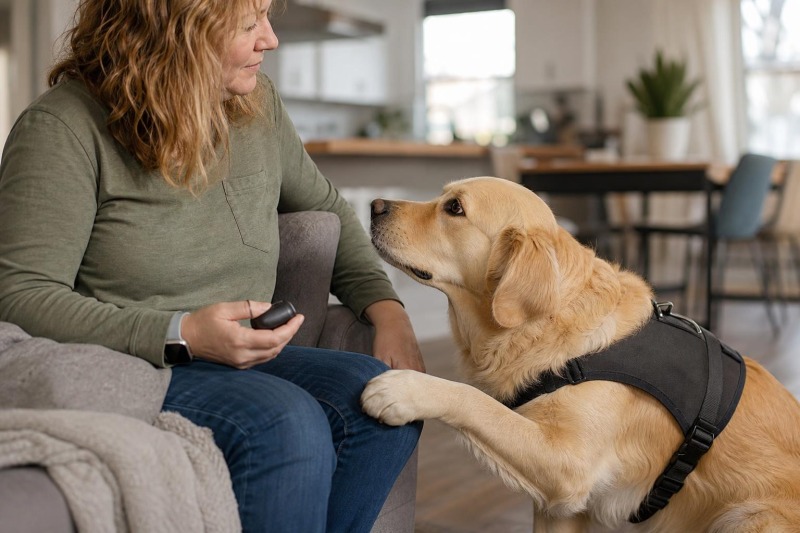
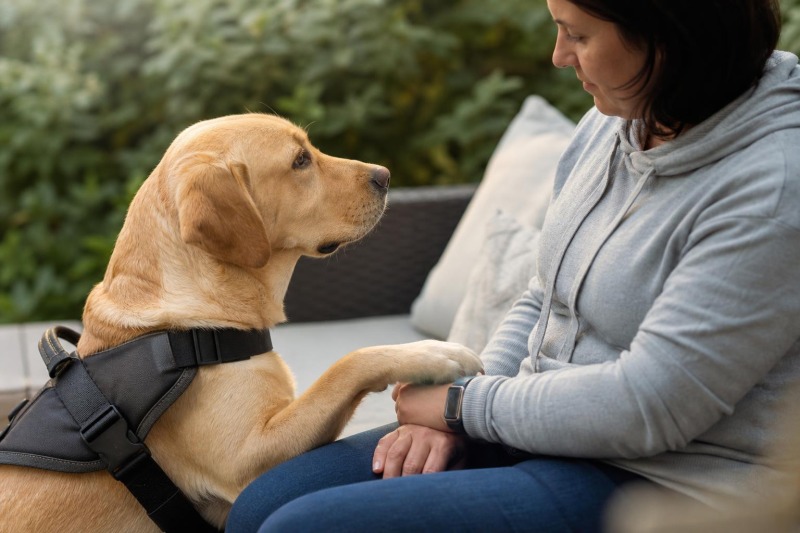
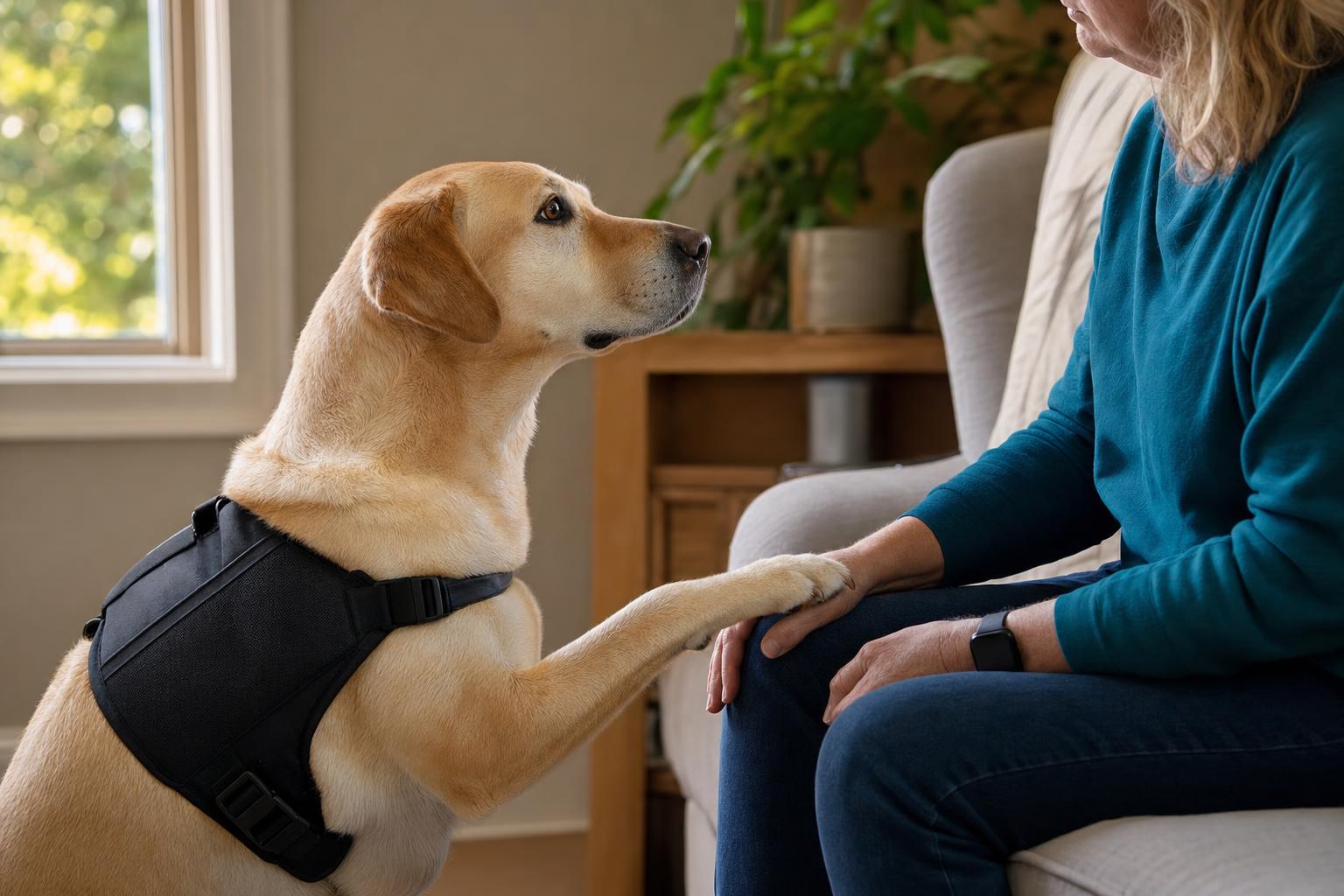
The term medical alert dog is sometimes used too loosely, so it helps to be precise. These dogs are trained to detect a specific medical change and communicate that change to the handler in a reliable way. The alert itself may be a pawing motion, a nose nudge, staring, retrieving a device, pressing a medical alert button, or going to get another person. In some cases, the dog also performs response tasks after the alert, such as bringing medication, helping the handler find a safe place, or remaining close until the event passes.
One of the best-known examples is the diabetic alert dog. These dogs detect scent changes associated with blood glucose fluctuations. Handlers often report that a well-trained dog can notice trouble before a monitor alarm sounds or before the person feels symptoms clearly. There are also seizure alert and seizure response dogs, though that distinction matters. Some dogs are believed to detect a seizure before it happens, while others are trained to respond during or after the episode by guarding the handler, seeking help, or fetching needed items.
Medical alert dogs may also work with people who have conditions involving fainting episodes, heart rate irregularities, severe allergies, or other diagnosable health concerns. Not every condition is suitable for scent-based alert work, and not every dog is capable of the task. That is one reason honest training standards matter so much.
The Nose Behind the Work
Anyone who has watched a good dog sort scent in difficult conditions already understands the foundation of this work. Dogs live through their noses. They detect chemical changes in the human body that we cannot begin to sense on our own. Trainers build on that natural ability through repetition, reward, proofing, and careful observation. The dog learns that a specific odor or pattern predicts a reward and, more importantly, requires a specific response.
It sounds simple when written down, but there is nothing casual about it. Reliable alert work asks a dog to ignore ordinary distractions, hold steady in public, and stay mentally available to one person through stores, sidewalks, vehicles, waiting rooms, and long quiet hours at home. That takes genetics, temperament, patience, and serious training.
How Medical Alert Dogs Are Trained
Good training begins long before a dog makes its first real alert. The best candidates show confidence without recklessness, curiosity without frantic behavior, and a natural willingness to work with people. Labrador Retrievers, Golden Retrievers, Poodles, and Lab crosses are often seen in this role because they tend to combine biddability, stable temperaments, and enough physical soundness for daily public access work. That said, breed alone never guarantees success. The dog in front of you is what matters.
Most programs start with foundational obedience and socialization. A medical alert dog must be calm under pressure and unbothered by the clutter of daily life. Slick floors, shopping carts, elevators, crowds, crying children, restaurant noise, and hospital smells all come with the job. If a dog cannot move through that world with composure, the rest does not matter much.
From there, trainers introduce the target scent or pattern and shape a clear alert behavior. Repetition is king. Reward timing matters. So does documentation. A dog must learn not only to detect the change, but to alert consistently and only when the cue is present. False alerts erode trust. Missed alerts can be dangerous. The margin for sloppiness is thin.
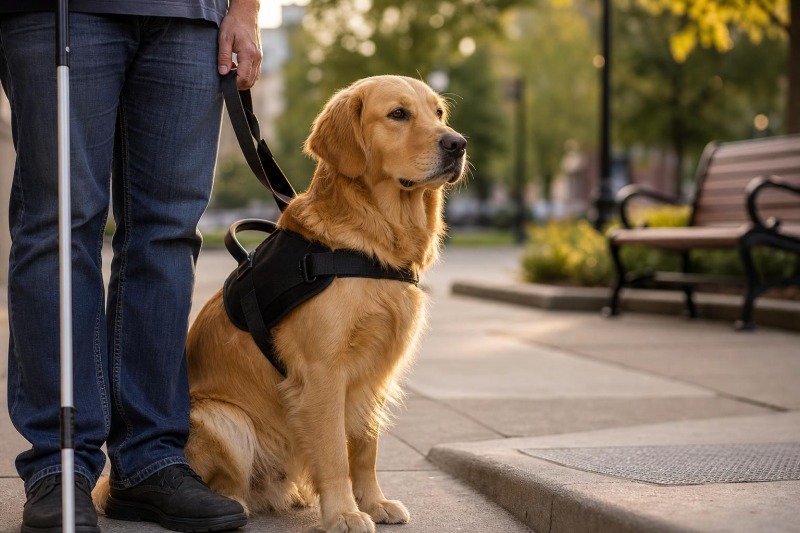
Public access training follows alongside task training. The dog learns to settle under a table, ignore dropped food, walk politely through narrow spaces, and remain focused on the handler instead of the world around it. In many ways, this is where the finished dog separates from the talented dog. Plenty of canines have a remarkable nose. Fewer have the head and heart to carry that ability into everyday service.
Handler Training Matters Too
A medical alert team is never just the dog. The handler has to learn the dog’s signals, maintain training, reinforce correct alerts, and understand the dog’s limitations. These dogs are not machines, and they are not infallible. Even an excellent dog works best when paired with a handler who pays attention, keeps records, and uses the dog as part of a broader medical management plan rather than as the only safeguard.
That point deserves repeating. A medical alert dog should support medical care, not replace it. No ethical trainer should promise perfection or suggest that a dog can take the place of proper diagnosis, equipment, or physician guidance.
What Makes a Great Medical Alert Dog
Temperament sits at the center of everything. A great medical alert dog is steady, people-oriented, observant, and resilient. The dog should recover quickly from surprise, work willingly for reward, and show neither sharpness nor softness that would interfere with public work. In plain language, you want a dog with a good head on its shoulders.
There is also a practical side to the job. Size can matter, especially if the dog will perform response tasks like bracing should never be assumed or improvised, but retrieving a phone, carrying a pouch, or helping wake a sleeping handler may require a certain build and physical ability. Coat type, energy level, and daily exercise needs all matter too. The best service dog for one home may be the wrong fit for another.
In the uplands, that means a dog that hunts hard but handles kindly. In medical alert work, it means a dog that stays engaged without becoming frantic. There is an art to that balance, and the best trainers know it when they see it.
Choosing a Program or Trainer
For owners exploring a medical alert dog, caution is wise. This field attracts committed professionals, but it also draws sellers who make grand claims because desperate people are easy targets. A reputable trainer or organization should speak plainly about what is known, what is trainable, what is still developing, and what cannot be guaranteed. They should evaluate dogs honestly, document progress, and be transparent about timelines, wash rates, costs, and follow-up support.
Ask hard questions. What tasks is the dog specifically trained to perform? How is reliability measured? What happens if the dog does not meet the standard? How is the handler prepared to maintain the training? Straight answers are a good sign. Evasion usually is not.
It also helps to remember that owner-training is possible in some cases, but it is demanding. Even experienced dog people can underestimate the challenge of shaping scent-based medical work while also meeting legal, behavioral, and public-access expectations. Pride has ruined more than one good plan. There is no shame in getting help from someone who has done it properly before.
The Daily Reality of Living With a Medical Alert Dog
From a distance, people often imagine service dogs as calm, noble creatures that glide through life without effort. The truth is more grounded. These are working dogs, and working dogs need maintenance. They need exercise, routine, veterinary care, grooming, mental engagement, and time off. They also need room to simply be dogs.
The partnership, though, is where the reward lives. A reliable alert dog can give a handler confidence to leave the house, sleep more soundly, or move through the day with less fear. That kind of freedom is hard to measure unless you have seen it up close. It reminds me of watching a young dog finally understand its purpose after months of confusion. There is a visible change. Tension eases. Timing sharpens. Trust grows. With medical alert teams, that trust can shape an entire life.
For the broader working dog community, medical alert dogs stand as proof that utility comes in many forms. Not every great dog ranges through cattails or rides in a dog box before dawn. Some lie quietly at a handler’s feet, watching, waiting, and catching the first whisper of trouble on the air. That work may be quieter than a day in the field, but it asks for no less talent.
Why Medical Alert Dogs Matter
At their best, medical alert dogs give people time, warning, confidence, and companionship bound together in one disciplined animal. They represent the practical brilliance of the dog itself, refined by training and bonded to human need. For dog owners drawn to working dogs, there is something worth admiring here beyond the service role alone. It is the reminder that the canine mind and nose still outmatch our technology in certain narrow but important ways.
That is not sentiment talking. It is respect earned the old-fashioned way, by watching dogs do difficult things well. Medical alert dogs belong in that tradition. They are workers. They are partners. And for the people who rely on them, they are often the steady difference between uncertainty and control.