Military Working Dog Gear: Built for Work, Not Show
Military working-dog equipment is selected around the task, operating conditions, and the needs of the team. Mobility, secure handling, protection, and care all need attention. Equipment has to be usable under the conditions in which it will be carried.
Out in rough country, no dog cares what a vest costs or whether a leash matches the truck seat covers. If the buckle fails, if the fit rubs raw, or if the dog hesitates because the gear restricts movement, the problem shows up fast. Military working dog gear earns its place by proving itself in motion.
For dog owners interested in working dogs, there is plenty to learn from the equipment used on military K9s. Even if your dog is not clearing buildings or tracking suspects, the same principles apply. Durability, fit, safety, control, and comfort are what separate useful gear from expensive clutter.
The Purpose Behind Military Working Dog Equipment
Military working dogs are asked to do difficult tasks in changing terrain, harsh weather, low light, and noisy surroundings. Their equipment has to function without hesitation. A collar must remain secure during a sudden lunge. A harness cannot shift when a dog climbs, jumps, or is lifted. A lead must give the handler control without tangling at the worst possible moment.
That purpose-driven design is what makes military working dog gear so appealing to serious dog owners. It is generally stripped down to essentials and made from materials chosen for strength and reliability. Heavy nylon webbing, reinforced stitching, durable hardware, and secure attachment points are common for a reason. In the field, small weaknesses become large problems in a hurry.
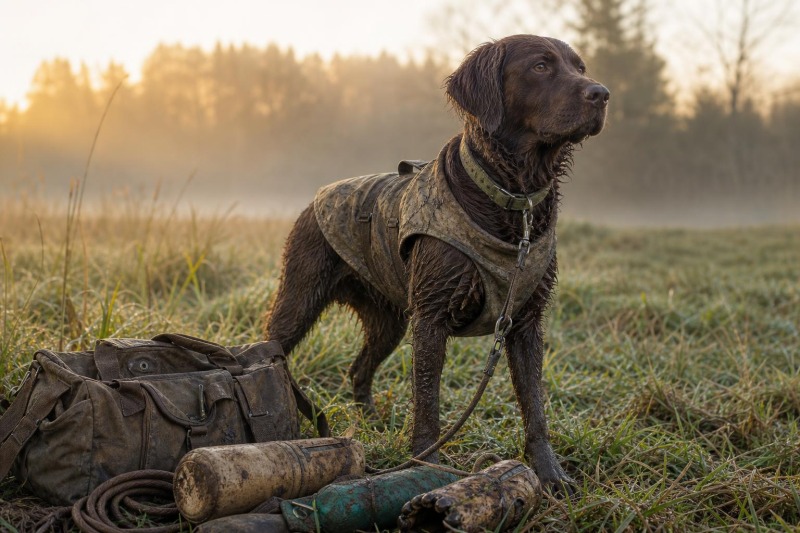
A long day in wet cover or rocky ground exposes shortcuts in equipment faster than any product description ever will. Working dogs need gear that disappears on the dog, holds up under strain, and gives the handler confidence.
The Collar Still Matters
A good military working dog collar starts with fit. Too loose and it slips or snags. Too tight and it causes discomfort, especially over long periods. Most serious collars in this category are made to handle repeated stress, with sturdy buckles or metal hardware that can take a beating. The collar is a basic piece of kit, but it remains one of the most important because it is used constantly.
Many handlers prefer a setup that keeps identification, control, and durability at the center of the design. There is not much room for gimmicks here. A collar should be dependable in mud, dust, rain, and heat. That sounds simple, but simple is often what lasts.
Harnesses for Control and Mobility
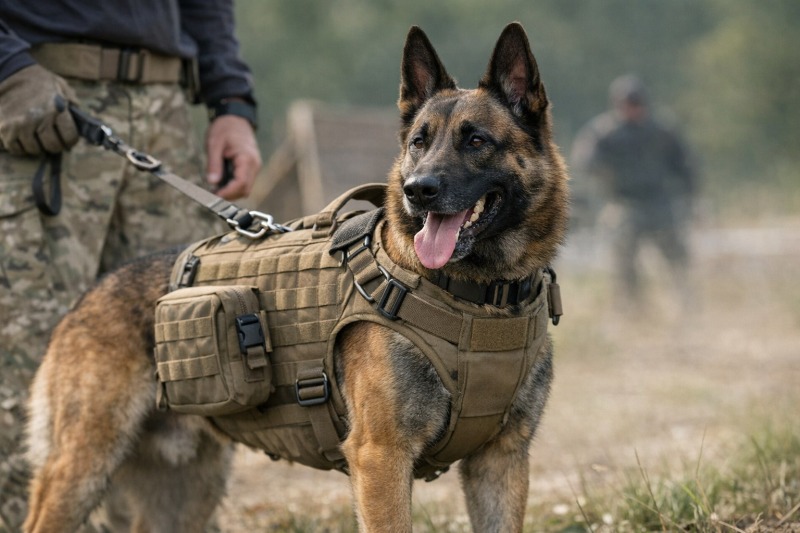
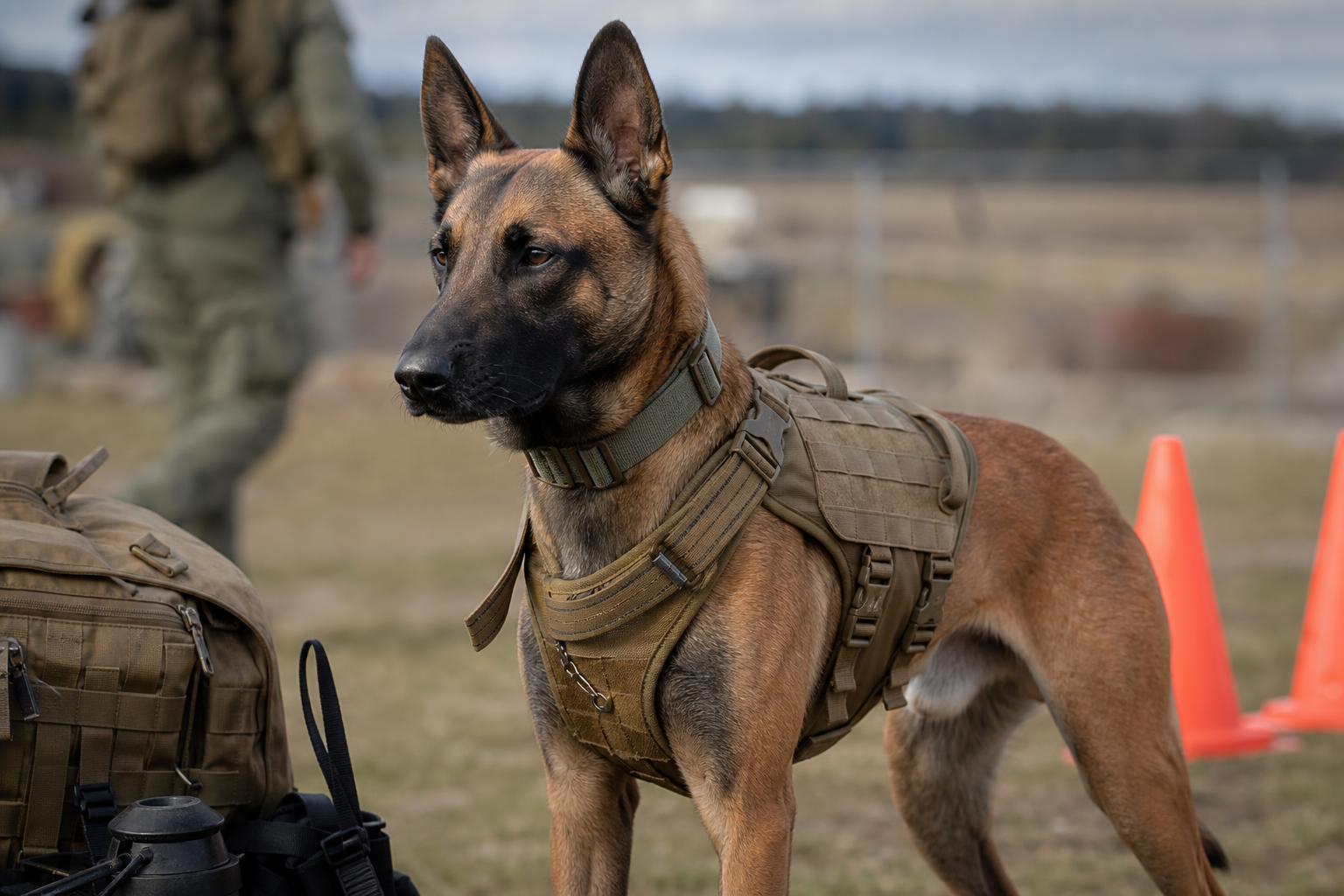
Harnesses used in military settings are built to give a handler more control while allowing the dog to move naturally. A poorly designed harness can restrict the shoulders, interfere with gait, or create pressure points that wear on a dog during long operations. A well-built harness rides securely, spreads load properly, and gives the dog freedom to work.
This is one area where dog owners often make mistakes by buying based on appearance instead of function. More straps do not automatically mean better performance. In truth, the best harnesses are the ones that stay put, avoid rubbing, and let the dog drive forward with confidence. If a dog is constantly adjusting, scratching, or moving awkwardly, the harness is not doing its job.
Leads Built for Real Handling
The leash or lead in a military working dog setup is another piece that gets judged by hard use. Handlers need control, but they also need efficiency. Depending on the task, a lead may need to be short and direct for tight work or longer for tracking and searching. Material matters here. A lead should feel secure in the hand, resist fraying, and function when wet or dirty.
Good leads remind me of dependable shotguns and old leather boots. You stop thinking about them because they simply work. That is high praise in any field setting.
Tactical Vests and Body Protection
When people hear military working dog gear, tactical vests are usually the first thing that comes to mind. These vests may provide protection against abrasion, environmental hazards, and in some cases more serious threats. Just as important, they can offer handles, attachment points, and identification panels that help handlers manage the dog during operations.
But not every dog needs a heavy vest, and that is where practical judgment comes in. Protection always has to be balanced against heat retention, weight, and mobility. A vest that looks impressive but tires the dog or traps too much heat becomes a liability. Any protective gear has to match the mission, the weather, and the dog itself.
Boots for Harsh Ground
Dog boots can be a hard sell until you watch a dog hit broken rock, hot pavement, ice, or debris-littered ground. Then their value becomes obvious. Military working dogs may operate in environments that would shred pads in short order. Boots help protect against cuts, burns, and repeated abrasion.
That said, boots only help if the dog is conditioned to wear them and if the fit is right. Training and gradual adaptation matter. Once a dog accepts them, boots can be a major asset in punishing terrain.
Eye and Ear Protection
Protective eyewear and hearing protection are less common among casual dog owners, but they deserve attention in discussions about military working dog gear. Dust, debris, rotor wash, and loud operational environments can all create risks. Specialized protection is designed to reduce those risks without overly distracting the dog.
This kind of equipment requires careful acclimation. Working dogs perform best when gear becomes familiar and non-threatening. You cannot strap new protective equipment on a dog and expect perfect acceptance. Like every serious tool, it has to be introduced with patience and purpose.
Transport, Kenneling, and Recovery Gear
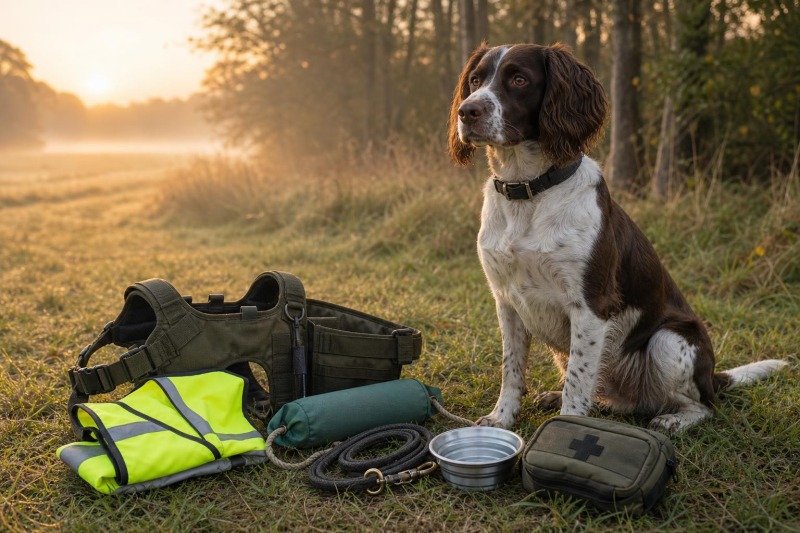
Military working dog equipment does not begin and end in the field. Transport crates, kennel systems, tie-outs, bedding, and cooling tools all play a role in keeping a dog ready to work. Safe transport is one of the least glamorous parts of the conversation, but it is critical. A secure crate protects the dog during travel and gives it a stable place to rest between deployments or training evolutions.
Recovery matters too. Hard-working dogs need hydration support, cooling options in hot weather, and a place to settle physically and mentally. Some of the best handlers are the ones who understand that performance is tied directly to recovery. The dog that can rest well, cool down properly, and travel safely is the dog that stays useful longer.
Training Gear That Supports the Job
Training equipment is a major part of any military working dog setup. Reward systems, bite development tools, tracking lines, scent detection aids, and remote communication equipment all serve a specific purpose. The key is that training gear should build clarity, confidence, and precision, not confusion.
There is a temptation among eager dog owners to collect gear before they understand how to use it. The truth is that tools only help when they are paired with timing, consistency, and knowledge. A simple lead in skilled hands beats a truckload of gadgets every day of the week.
Military working dog gear reflects that mindset. It supports performance, but it does not replace training. The best equipment in the world cannot make up for poor handling or weak preparation.
What Civilian Dog Owners Can Learn
Most dog owners will never need the full suite of military K9 equipment, but the standards behind it are worth paying attention to. Buy gear based on the dog’s real work, not fantasy scenarios. Prioritize fit over appearance. Look closely at stitching, hardware, and materials. Consider the environment where your dog spends time. And above all, watch the dog. The dog’s movement, comfort, and confidence tell you more than any marketing copy ever will.
There is also something admirable about the no-nonsense spirit of military working dog gear. It respects the dog as an athlete and a partner. That is a standard every working dog owner should appreciate, whether the dog is trained for detection, protection, tracking, or a long season in the uplands.
Not because expensive gear is impressive, but because reliable gear honors the work. When a dog gives you everything it has in rough ground, bad weather, or demanding training, the least you can do is outfit it with equipment that holds up its end of the bargain.
Military working dog gear is shaped by necessity. Every collar, harness, vest, boot, crate, and lead has one basic job: help the dog perform safely and effectively. For dog owners interested in working dogs, that philosophy is the real takeaway. Function comes first. Comfort matters. Durability is non-negotiable. And every piece of gear should earn its place through use, not hype.
If you approach your dog’s equipment with that mindset, you will make better choices and end up with gear that serves both handler and dog in the long run. That is true in military work, true in hunting, and true anywhere a good dog is expected to do an honest day’s work.