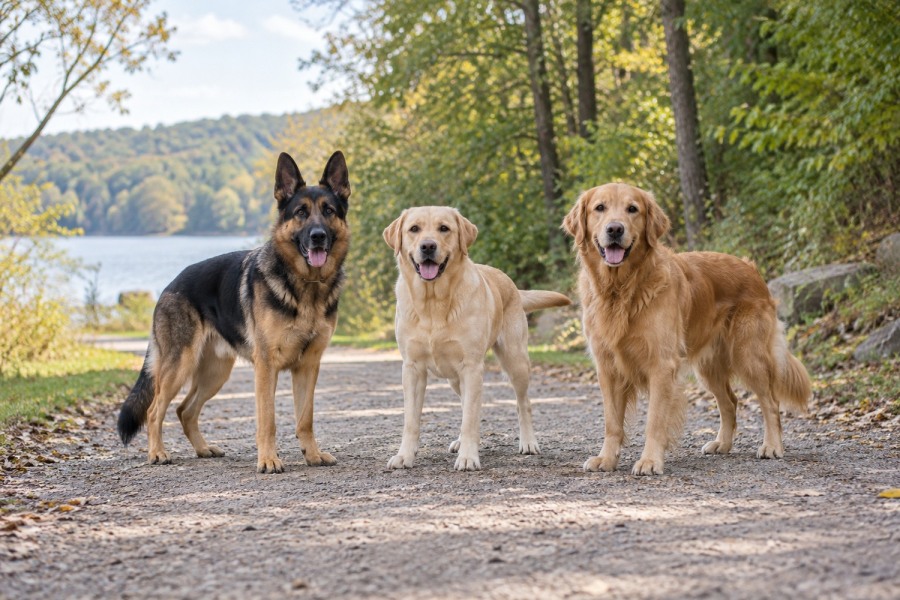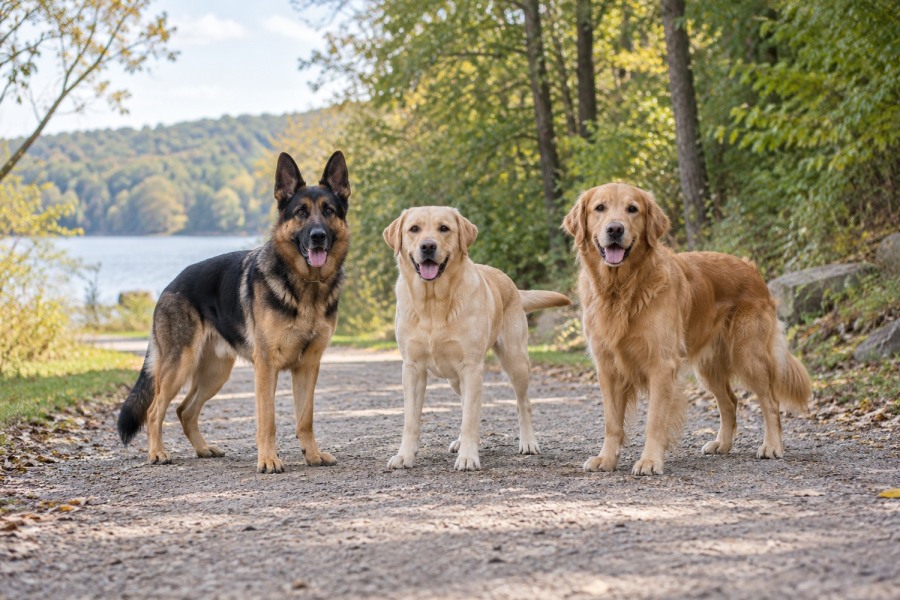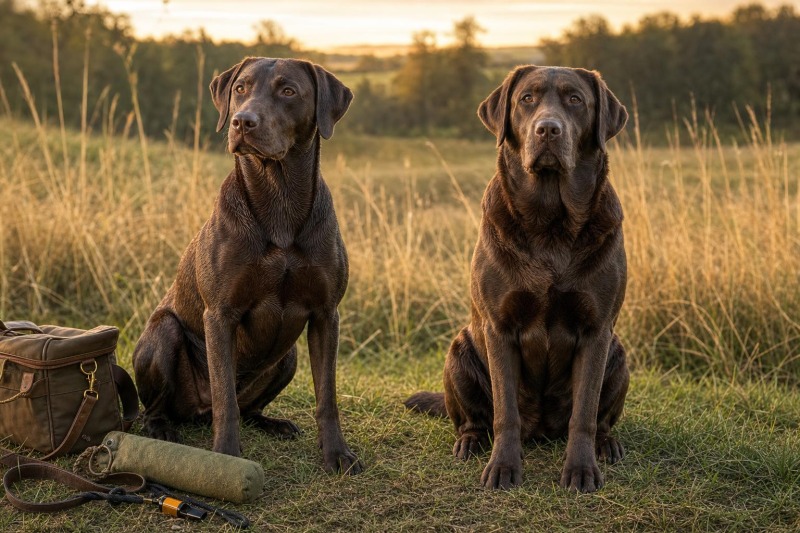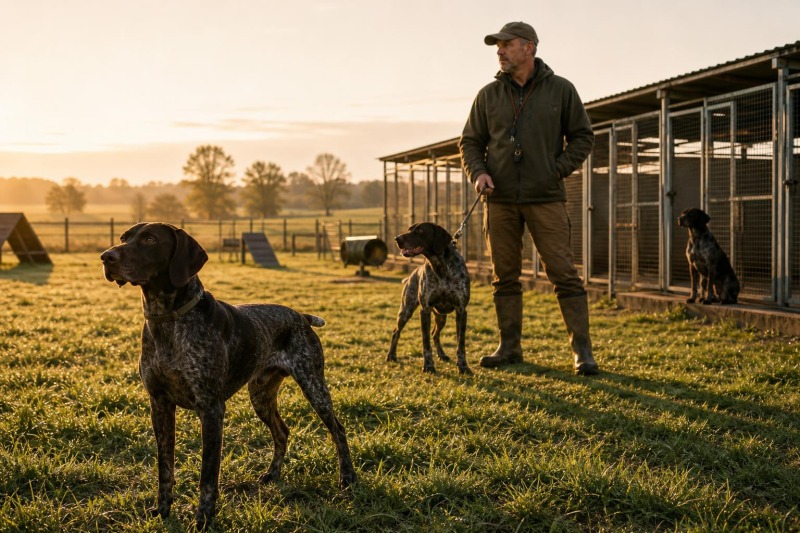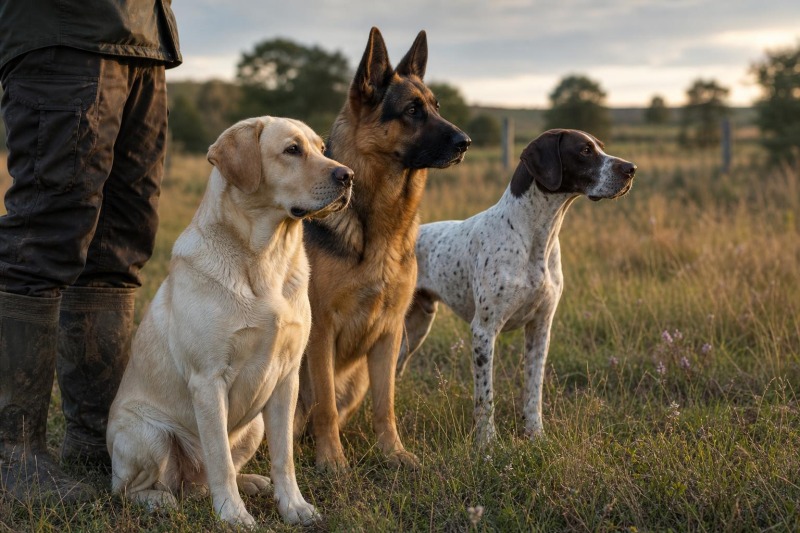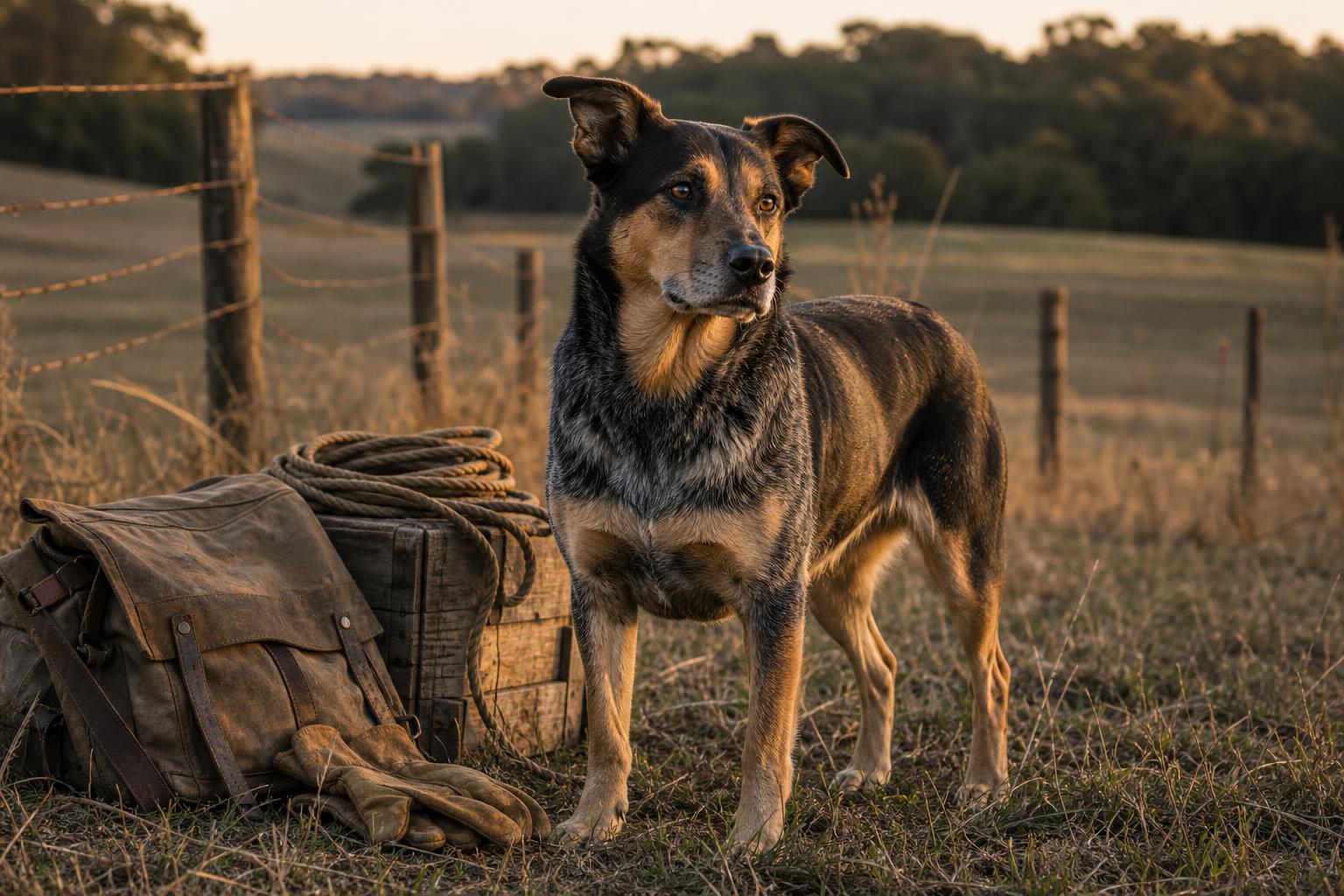
There is a certain kind of dog that never needed a fancy pedigree to earn a place in the truck box, the duck blind, or by the barn door. Mixed breed working dogs have been helping people for generations, long before anybody thought to print glossy papers and hang ribbons on kennel walls. If a dog could trail, flush, retrieve, guard, bay, or gather stock when the day turned long and the weather turned mean, that dog was worth feeding. That old truth still holds.
For dog owners interested in working dogs, mixed breeds offer something many folks overlook: practical ability shaped by purpose rather than appearance. That does not mean every mixed breed is born for hard work, but it does mean a good one deserves serious respect.
Why Mixed Breed Working Dogs Matter
When people hear the phrase mixed breed working dogs, they sometimes picture uncertainty. In reality, plenty of skilled dogs come from thoughtful crosses or even accidental pairings where both parents brought useful traits to the table. A stock dog crossed with a cur, a retriever mixed with a pointing breed, or a shepherd blended with a farm dog can produce an animal with heart, versatility, and toughness that fits everyday work better than many narrowly bred specialists.
In the hunting world, utility matters. A dog that can ride quietly, handle rough cover, think for itself without going rogue, and settle in the house afterward is worth its weight in shells. Mixed breed dogs often shine here because they can bring together complimentary strengths. One side may add nose, another biddability. One parent may contribute endurance, the other calm nerves. When those traits land right, the result can be an honest working partner built for the real world rather than a judging ring.
That said, mixed breeding is not magic. It is still genetics, and genetics can be a grab bag. The trick is learning how to judge the individual dog in front of you.
Drive Comes First
A working dog needs desire. You can polish obedience, shape manners, and steady a dog with training, but it is hard to install drive where little exists. In the field, that often shows up as a pup that carries itself with purpose, uses its nose naturally, and keeps coming back for more.
Temperament Has to Match the Job
Not every strong dog is the right working dog. Some have plenty of fire but too little stability. Others are affectionate and eager but fold under pressure. Good mixed breed working dogs usually carry a balance that is easy to appreciate once you have seen enough of them. They can turn on when there is work to do and turn off when the task is finished. That matters whether the dog is tracking wounded game, pushing cattle through a gate, or guarding the home place without becoming a problem for family and visitors.
Structure Still Counts
Folks sometimes talk about mixed breeds as if looks do not matter at all. Cosmetics do not matter much, but structure certainly does. Sound feet, efficient movement, solid hips and shoulders, and a body suited to the job are important in any dog expected to work hard. A dog can have all the heart in the world, but if it breaks down after a season of use, sentiment will not keep it going.
practical Versatility Over Paper Credentials
One of the best things about mixed breed working dogs is versatility. Purebred dogs often excel in specialized roles, and there is real value in that. Still, many owners do not need a dog designed for one narrow task. They need an all-around hand. They want a dog that can accompany a morning hunt, keep tabs on the yard, ride in the truck without fuss, and remain steady around kids and livestock. Mixed breeds often fit that life well because they are not always locked into the strongest instincts of a single line.
He was not especially stylish, and no one would have mistaken him for a breed standard example of anything. But he had a nose like wet earth after rain, enough sense to work the wind without being told, and a natural retrieve that saved more birds than some better-bred dogs ever found. He learned quickly, took correction honestly, and never seemed to run out of bottom. That dog was a reminder that real ability does not ask permission from a registry.
Look at the Parents if You Can
If you are selecting a mixed breed puppy or young dog, start with the parents whenever possible. Are they stable? Do they show useful working traits? Are they physically sound? A pup from two capable dogs has better odds than one bred from convenience. Even in mixed breeding, purpose matters. A thoughtful cross between proven workers is a different thing entirely from random breeding with no attention to temperament, health, or function.
Match the Dog to Your Lifestyle
This is where many owners go wrong. They choose a dog for the fantasy job instead of the real one. If you hunt ten weekends a year and spend the rest of the time managing a busy household, you may need a level-headed, adaptable dog more than an all-gas specialist. If you live on acreage and want help with predators, stock pressure, and general watchfulness, a tougher, more independent cross may suit you better. Mixed breed working dogs come in every shape of mind and body, so honesty about your daily life is a better guide than romance.
Health Screening Matters
There is a stubborn myth that mixed breeds are automatically healthier. Sometimes hybrid vigor helps, but it is not a free pass. Dogs can still inherit joint issues, eye conditions, skin trouble, and nerve problems from either side. Responsible breeders, even those producing working crosses, should care about health testing and practical soundness. If you are adopting from a shelter or rescue, ask what is known about the dog’s energy, mobility, stress response, and history in different environments.
Training Mixed Breed Working Dogs
The best way to train a mixed breed working dog is to train the dog in front of you, not the breed guesses behind it. That sounds obvious, but many handlers get tangled up trying to force a dog into a role based on what they think the mix should be. A dog with retriever blood may not retrieve naturally. A dog that looks part shepherd may not want sustained stock work. Another may surprise you entirely and show talent in scent work, recovery, or protection that no one predicted.
Start with clear expectations, short sessions, and a job the dog can understand. Build confidence early. Reward initiative when it points in the right direction. Correct fairly and with timing that makes sense. Most of all, pay attention. Good handlers learn to see the small signs: when a dog is thinking, when it is avoiding pressure, when it is genuinely confused, and when it is ready for more responsibility. Mixed breed dogs often reward that kind of attentive training because they are not always as rigidly hardwired into one working pattern.
Consistency matters more than cleverness. A dog that knows what the rules are and trusts the person holding the lead will usually give you more over time than one bounced between methods and moods. Mixed breed working dogs respond especially well to honest handling. They do not need theatrics. They need leadership, repetition, and meaningful work.
Are Mixed Breed Working Dogs Right for First-Time Owners?
They can be, provided the owner chooses carefully and understands that work-minded dogs, purebred or mixed, are rarely low-maintenance. The advantage of a good mixed breed is often adaptability. The challenge is unpredictability. Energy level, prey drive, vocal habits, and maturity can vary more widely than in established breeds. For a first-time owner, that means temperament should be the priority. A stable, trainable dog with moderate drive is usually a better starting point than an intense animal that promises impressive performance but demands expert handling.
For families, hunters, rural homeowners, and active dog owners, a mixed breed can be a tremendous fit. These dogs often settle into practical life with less fuss than many expect, especially when they are given structure and a job to do. That job does not always have to be dramatic. Carrying tools on a walk, learning directional commands, helping recover game, patrolling fence lines, or simply staying attentive and responsive in changing environments can all satisfy a work-minded dog.
The dog does not care what is written on paper. The field does not care either. Cold mud, thick cover, wounded game, stubborn stock, and long miles have a way of stripping things down to what matters. Can the dog do the work? Can it learn? Can it hold together physically and mentally when conditions are not friendly?
Mixed breed working dogs have answered those questions for a long time. The good ones are not novelties. They are practical animals with proven value, and in many homes they are exactly the right fit. If you judge them by performance, temperament, and soundness instead of labels, you may find one of the finest dogs you ever own comes without a pedigree worth framing. What it will bring instead is far more useful: loyalty, grit, and a willingness to go to work whenever you ask.