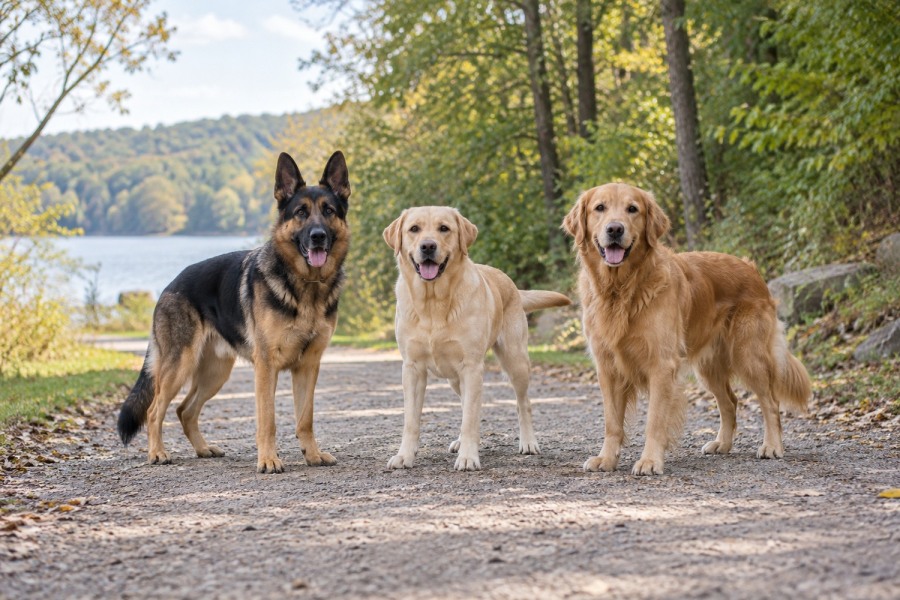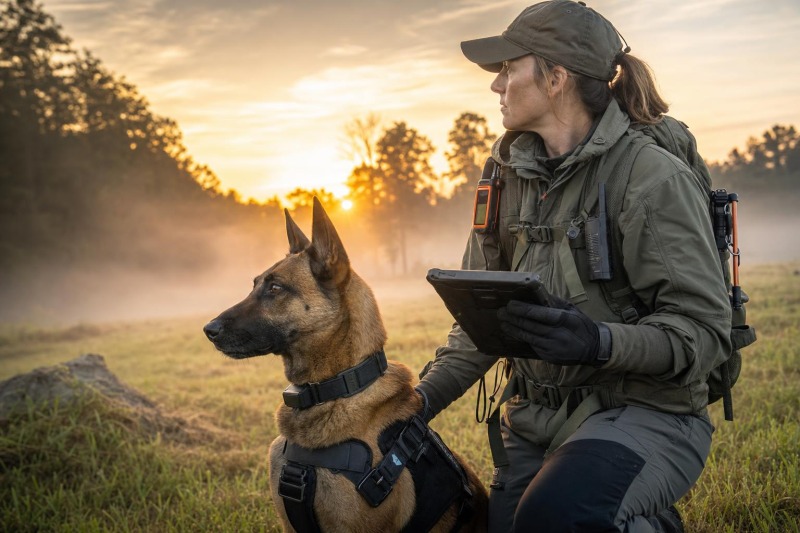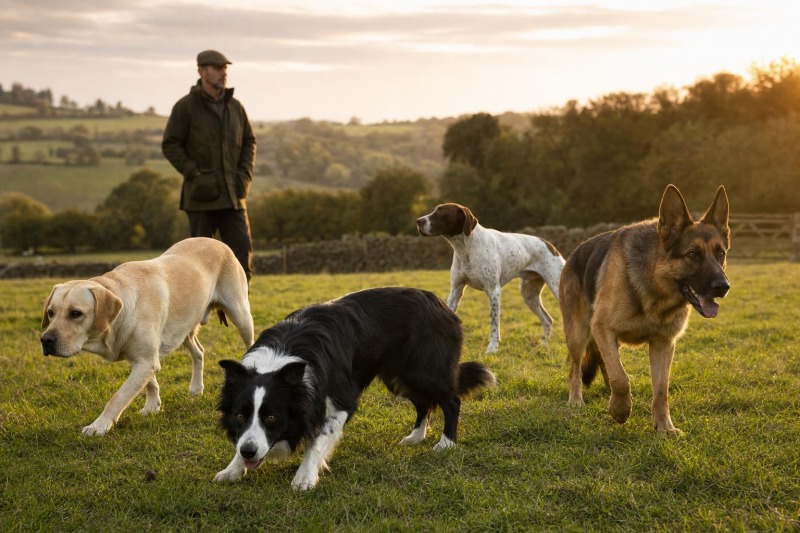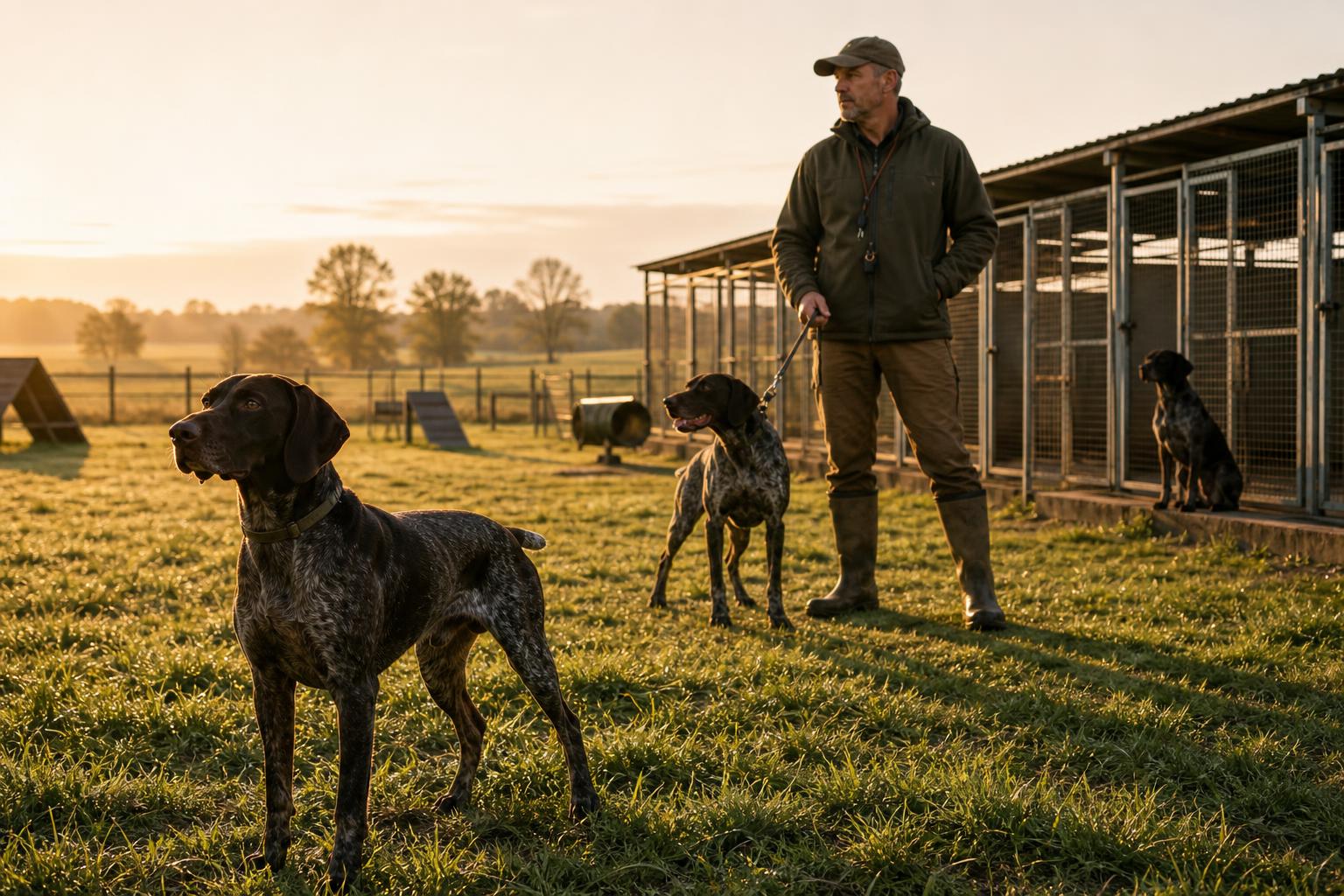
There was a time when most working dogs were bred the plain old-fashioned way. A good dog proved itself in the field, on the farm, or in the marsh, and if it stayed sound, handled pressure, and made its owner’s life easier, it stood a fair chance of being bred. That system produced some remarkable dogs, no doubt about it. It also produced plenty that looked the part but couldn’t carry the load when weather turned rough, birds ran hard, or long days stacked up one after another. What we are seeing now is the rise of working dog breeding programs that are far more deliberate, measured, and purpose-driven than what many old-timers grew up with.
That change did not happen by accident. It came from generations of handlers, hunters, stockmen, and trainers learning a simple lesson the hard way: talent alone is not enough. A true working dog needs health, nerve, intelligence, biddability, durability, and a mind suited to a job. The best breeding programs today are built around those qualities, and they are changing the way dog owners think about what makes a dog valuable.
Why Working Dog Breeding Programs Matter More Than Ever
Modern working dog breeding programs exist because the demands placed on dogs are clearer than they used to be. A retriever bred for cold-water waterfowl work needs a different package than a dog meant for upland cover, detection work, protection, or livestock handling. Good breeders are no longer pairing dogs just because both have papers or because one won a ribbon somewhere. They are making decisions based on what those dogs consistently produce and whether their offspring hold up over time.
In hunting country, this has become especially important. A flashy young dog can fool a lot of people in training season. It is easy to admire speed and style when the ground is dry and the work is short. But once late season rolls in, the truth comes out. You find out which dog has the lungs, the feet, the grit, and the mental steadiness to keep going. You find out which dog marks clean under pressure, which dog takes correction without folding, and which one can settle at camp like a gentleman after the guns are cased. Breeding programs that focus on working ability are built to stack those real-world traits generation after generation.
From Casual Pairings to Purpose-Built Programs
One of the biggest shifts in the dog world has been the move from casual breeding to structured programs with clear goals. Serious breeders now track pedigrees with a sharper eye, but more importantly, they study performance, health records, trainability, recovery, and consistency. They pay attention to hips, elbows, eyes, cardiac health, and inherited issues that can shorten a dog’s useful life. They also watch for things that do not always show up on paper, such as nerve stability, social behavior, environmental confidence, and the willingness to work with a human partner.
That is where the conversation gets more useful for the average dog owner. A strong breeding program does not just produce dogs that can win tests or shine in polished training drills. It produces dogs with a better chance of becoming reliable companions in everyday life. For folks who want a dog that can hunt hard in the morning and live peaceably in the house by evening, breeding matters as much as early training.
The Best Programs Breed for Purpose, Not Hype
Hype has always sold dogs. A big social media following, a stacked pedigree, or a handful of dramatic photos can convince people they are looking at greatness. But experienced handlers know better. The best working dog breeding programs are not chasing trends. They are looking for repeatable qualities. They want dogs that throw offspring with useful instinct, balanced drive, clear-headed temperaments, and a body built to withstand work year after year.
There is a world of difference between a dog that is exciting and a dog that is dependable. Exciting may get attention. Dependable fills game bags, moves cattle, tracks wounded animals, or performs long days of service work without making a mess of the job. Good breeders understand that difference, and the rise of serious programs reflects a growing demand for dogs that can actually do what they were bred to do.
Health Testing and Genetic Planning Changed the Game
If there is one area where modern breeding programs have truly pulled ahead, it is health screening. In the old days, many dogs were bred on reputation and visible ability alone. Sometimes that worked. Sometimes it passed along trouble that would not show itself until a dog reached maturity, or worse, until several litters had already carried the same weakness forward. Today, responsible breeders use orthopedic evaluations, genetic testing, and long-term recordkeeping to reduce preventable problems.
That matters in the field more than many newcomers realize. A working dog with bad structure or inherited weakness may still show promise young, but hard work exposes flaws quickly. It is a hard thing to watch. A thoughtful breeding program gives future pups a stronger chance to stay sound enough to learn, mature, and enjoy a full working life.
Health planning also supports temperament. There is growing awareness that stable nerves, resilience, and emotional balance are every bit as important as prey drive or intensity. For dog owners interested in working dogs, this is welcome news. Most people do not need a frantic animal bouncing off the walls. They need a dog that can switch on when it is time to work and switch off when the day is done. Good breeding lays that foundation long before a trainer ever picks up a lead.
The Role of Performance Titles, Trials, and Real Field Work
Performance testing still has value, and plenty of value at that. Trials, hunt tests, working certifications, and breed-specific evaluations can reveal a lot about a dog’s ability, composure, and trainability. But the rise of modern working dog breeding programs has also pushed a healthy question to the front: does the dog perform outside a controlled event?
That question separates breeders who preserve working breeds from those who simply market them. A dog may carry impressive credentials and still fall apart in rough cover, icy water, heavy scenting conditions, or on the third hard day in a row. The best breeders know this, so they seek proof from both formal testing and actual work. Those are the kennels worth remembering. Their dogs tend to have a depth to them. They are not all show and no substance. They have been selected by weather, fatigue, repetition, and honest use.
Field Experience Still Tells the Truth
You can learn plenty from records and reports, but there is no substitute for watching dogs work in person. You see how they carry themselves, how quickly they recover from stress, how they use nose and head in changing wind, and whether they stay connected to the handler when excitement builds. Those details are where breeding programs either prove their worth or come unraveled.
That kind of difference often starts with breeding. Training sharpens what is there, but it does not magically create the core tools a dog lacks.
Why Dog Owners Should Pay Attention Before Buying a Pup
The rise of working dog breeding programs is not just a topic for breeders and professional trainers. It matters to anyone planning to bring home a dog with a job in its blood. When owners understand what a serious breeding program looks like, they are far less likely to end up with a mismatch. They can ask better questions, evaluate breeders more clearly, and choose pups whose instincts and energy fit the life waiting for them.
A reputable breeder should be able to explain why a pairing was made, what strengths each parent brings, what health testing was completed, and what type of home suits the litter. They should be honest about drive levels, maturity, and training demands. That kind of candor is usually the mark of someone breeding for the long haul rather than for quick sales.
For the average owner, this can mean the difference between years of satisfaction and years of frustration. Working dogs are deeply rewarding, but they are not ornamental. They need outlets, leadership, and purpose. A strong breeding program improves the odds that those natural traits show up in a manageable, useful package.
The Future of Working Dog Breeding Programs
Better data, stronger health screening, wider collaboration between breeders and trainers, and a renewed respect for functional ability are all pushing things in the right direction. The smart programs are preserving breed identity while adapting to modern demands. They are not watering down working traits. They are clarifying them.
That should encourage anyone who cares about the future of hunting dogs, farm dogs, detection dogs, or service-oriented breeds. Strong breeding programs protect the instincts and structure that made these dogs valuable in the first place. They also help ensure that future generations are healthier, steadier, and better suited for both work and home life.
A good working dog is still one of the finest partners a person can have. It does not matter whether that dog is quartering a field, fetching through black water, gathering stock, or simply applying generations of purpose to the life in front of it. What matters is that somebody, somewhere, cared enough to breed for the job honestly. That is why the rise of working dog breeding programs matters. It is not a trend. It is a return to substance, and the dogs are better for it.