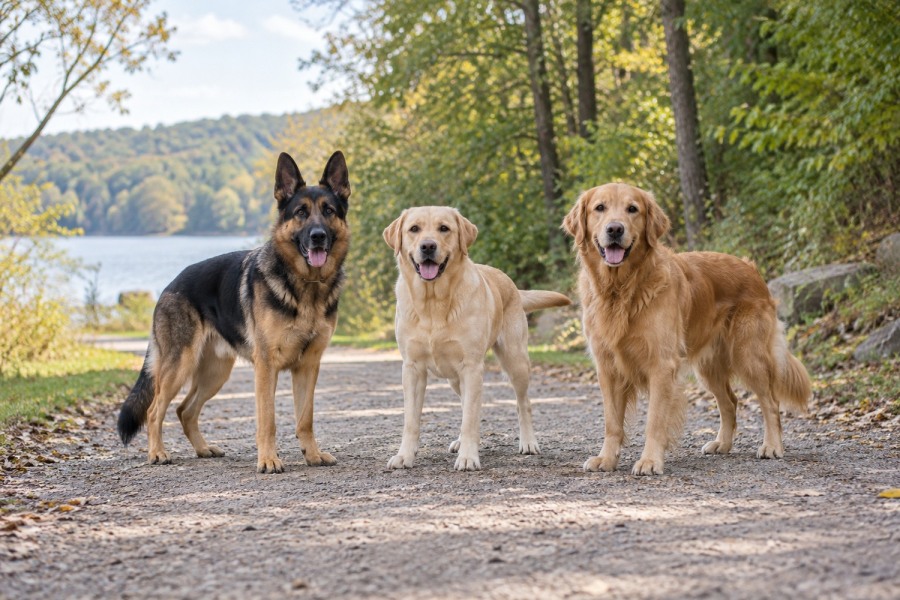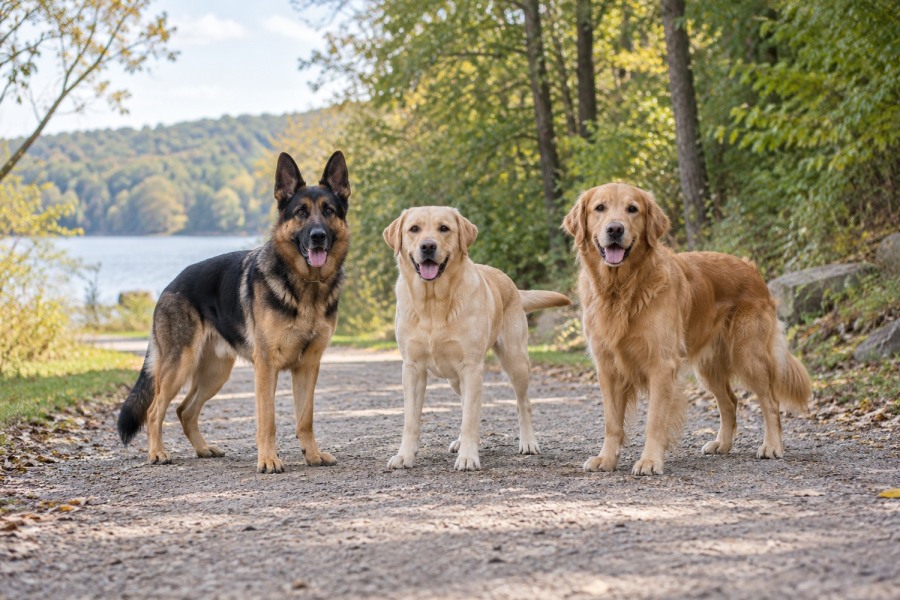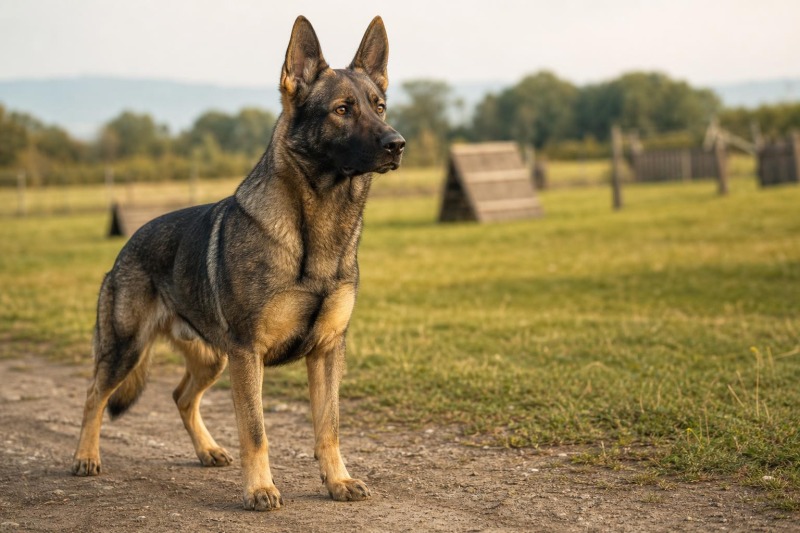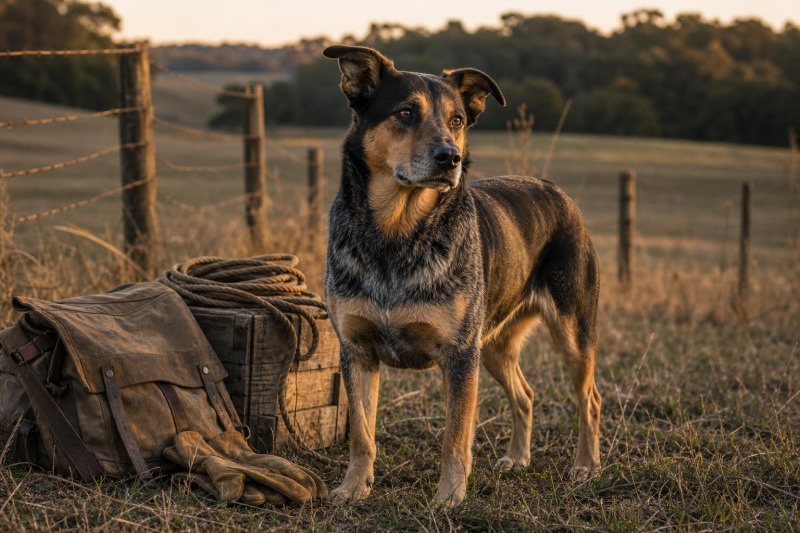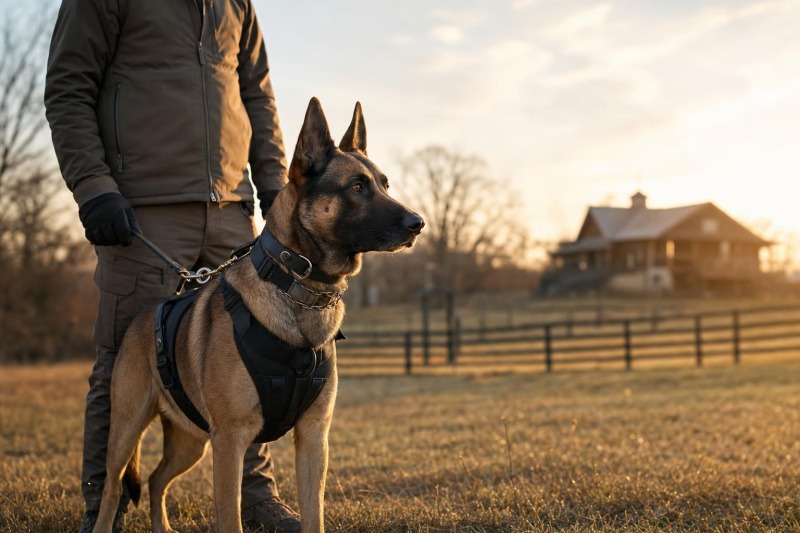
Working-breed temperament is best understood in relation to the job and the individual dog. Drive, confidence, sensitivity, and responsiveness can be useful in one setting and difficult in another. Owners need a realistic account of what those traits mean in daily life.
For dog owners interested in working dogs, temperament matters just as much as appearance, size, or pedigree. Many folks fall in love with the look of a working breed before they understand the mind living inside that frame. That is where trouble starts. A dog bred for work often carries more intensity, more awareness, and more need for direction than the average pet owner expects. When those qualities are understood and channeled, you get one of the finest companions a person can own. When they are ignored, you get frustration on both ends of the leash.
This is why understanding the temperament traits of working breeds is so important. These dogs can be steady, brave, deeply loyal, and wonderfully trainable, but they also tend to be demanding in ways that casual owners may not anticipate. The good ones are always paying attention. They notice movement, routine, pressure, and weakness. They want purpose. They want leadership. And more often than not, they want to be included in the day rather than parked on the sidelines.
Drive Is the Engine Behind the Dog
Working breeds are often powered by a strong internal motor. That drive may show up as prey drive, retrieving desire, guarding instinct, tracking focus, or an intense willingness to engage with a task. It is what makes a dog keep going when conditions turn ugly and the easy choice would be to quit.
In the field, drive is a beautiful thing. You see it when a dog launches hard on a blind retrieve into cold water without hesitation, or when a herding dog locks onto stock with that unmistakable serious look. At home, though, that same drive can come out as restlessness, compulsive behavior, or destructive habits if the dog lacks structure. Owners need to understand that a high-drive dog usually does not settle simply because you want it to. That dog settles after its mind and body have been given meaningful work.
Not All Drive Looks the Same
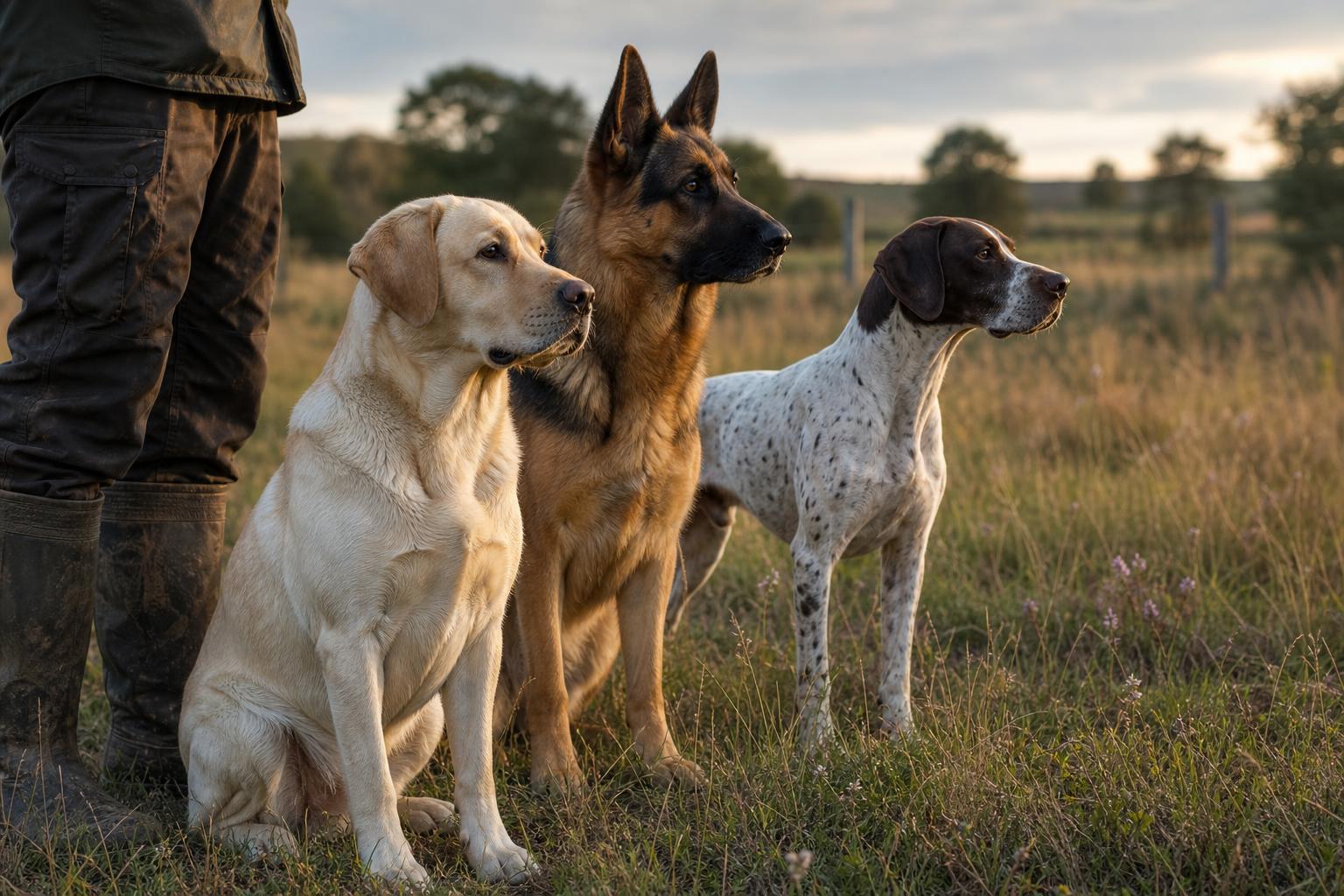
One mistake people make is assuming all working breeds express drive in the same fashion. A German Shorthaired Pointer may show it with motion, speed, and constant hunting ambition. A Rottweiler may show it with seriousness, control, and confidence under pressure. A Border Collie may carry intense eye and sensitivity, while a Labrador from strong working lines often channels drive into retrieving and close cooperation with the handler. The expression changes, but the underlying trait remains the same: these dogs are meant to do something.
Trainability and Biddability Matter More Than Tricks
Another hallmark of many working breeds is trainability. These dogs are often quick studies, but there is an important distinction between intelligence and biddability. Intelligence means a dog can figure things out. Biddability means the dog wants to work with you and accept guidance. The best working dogs have both.
For most owners, biddability is the trait that makes life smoother. A dog that naturally checks in, takes correction fairly, and wants to cooperate is worth its weight in gold.
That does not mean working breeds are push-button easy. Far from it. Many are highly sensitive to inconsistency. If your standards change from one day to the next, they notice. If your timing is poor, they notice that too. Good working dogs thrive under calm, clear leadership. They respect fairness, and they often wilt under chaos or heavy-handedness.
Confidence and Nerve Separate the Pretenders from the Real Thing
Temperament in working breeds is not just about energy and obedience. It is also about nerve. A sound working dog should be able to handle pressure, novelty, noise, and challenge without falling apart. Confidence does not always look loud.
Good nerve is invaluable. In practical terms, it means the dog can recover from surprise, remain functional in a strange environment, and continue thinking when things get difficult. For hunting dogs, that may mean dealing with gunfire, rough cover, boats, blinds, and changing weather. For protection or guardian breeds, it may mean standing firm without becoming unstable. For farm dogs, it may mean handling stock pressure and environmental stress without panic.
Confidence Is Not the Same as Aggression
This is an area where inexperienced owners sometimes get fooled. True confidence in a working breed is not frantic barking, reactive lunging, or constant challenge. More often, it is composure. A confident dog does not need to make a scene over every little thing. It assesses, holds itself together, and responds appropriately. Weak nerves, on the other hand, can masquerade as toughness until real pressure arrives.
Loyalty and Bonding Run Deep
Working breeds are often known for forming strong bonds with their people. That loyalty is one of the reasons so many owners become devoted to these dogs for life. When a working dog trusts you, there is a kind of partnership that is hard to describe unless you have lived it. In the duck blind before daylight, with steam rising off the marsh and a dog sitting close enough to feel your knee, you understand how much value there is in a steady animal that knows your voice and reads your intent.
That bond can be a tremendous strength, but it also means these dogs generally do best when they are included. Many working breeds do not thrive as backyard ornaments with minimal interaction. They want contact, direction, and some sense that they belong to the operation, whatever that operation may be. If they are isolated too often, you may see anxiety, frustration, or nuisance behavior take root.
Protectiveness and Suspicion Can Be Natural Traits
Some working breeds were developed to guard home, flock, property, or person. Because of that, protectiveness and suspicion of strangers may be natural parts of their temperament. This is not inherently a flaw. In the right dog, it is a useful and steady characteristic. The trouble comes when owners encourage sharp behavior without understanding balance, control, or socialization.
A good protective temperament should be thoughtful, not chaotic. The dog should be able to distinguish normal life from genuine threat. That kind of judgment depends on breeding, early exposure, training, and mature handling. A dog that reacts to everything is not necessarily more protective. Often it is simply less stable.
Early Socialization Shapes Expression
Socialization does not erase breed temperament, but it helps shape how temperament is expressed. A naturally suspicious dog still needs broad, calm exposure to people, environments, and routine handling. The goal is not to make every working breed into a social butterfly. The goal is to produce a dog that can function cleanly in the world without unnecessary stress or conflict.
Endurance, Resilience, and the Need for Purpose
Most working breeds were bred with stamina in mind. That means many of them carry both physical endurance and mental persistence. They can keep going long after softer dogs have checked out. For an owner, this can be a blessing or a challenge. These dogs are often game for whatever the day brings, but they rarely do well on a lifestyle built around boredom.
A tired body helps, but an idle mind can still find trouble. Scent work, retrieving drills, obedience, tracking, chores around the property, and structured play all give these breeds an outlet that respects what they were made to do. When you provide that, the dog often becomes calmer and more satisfied in the house.
Sensitivity Beneath the Tough Exterior
One thing that surprises some new owners is how emotionally sensitive many working dogs can be. Even hard, gritty dogs often respond deeply to tone, routine, and relationship. The dog that crashes through briars all day may still take a sharp word from its handler to heart. That is why good handling matters. Consistent standards and fair correction go further than force and noise.
They were built on trust, repetition, and honest communication. Working breeds tend to respect people who are steady and clear. They become harder to manage when leadership is emotional, erratic, or absent.
Choosing the Right Working Breed for Your Home
No article on working breed temperament would be complete without saying this plainly: admiration is not the same as compatibility. A breed can be outstanding and still be wrong for your household. Before choosing a working dog, consider your time, experience, energy level, training commitment, and daily routine. Ask not only what the dog can do for you, but what kind of life you can honestly provide for the dog.
For the right owner, working breeds are deeply rewarding. They offer heart, grit, intelligence, and a kind of partnership that feels earned. But they are rarely low-maintenance. They ask for involvement. They ask for leadership. And above all, they ask for purpose.
When those needs are met, the temperament traits of working breeds become exactly what they were meant to be: useful, admirable, and a pleasure to live with. That is when you stop thinking of the dog as just a breed type and start seeing what seasoned handlers have always known. A true working dog is not merely owned. It is partnered with.