New tools and training approaches need to be judged by what they help a team do reliably. Clear communication, suitable rewards, careful exercises, and honest evaluation remain central. Innovation is useful when its benefits can be demonstrated in the work.
There was value in that, and there still is. They have learned to pair old field wisdom with newer methods, technology, and a deeper understanding of canine behavior. The result is a dog that learns cleaner, works with more confidence, and stays mentally sound over the long haul.
Training Has Moved Beyond Pure Repetition
One of the biggest shifts in modern working dog training is the move away from drilling a dog simply for the sake of mileage. Repetition still matters. No dog becomes steady, reliable, or polished without it. But trainers today are more aware that mindless repetition can dull a dog just as easily as it can sharpen one. Dogs learn best when sessions are purposeful, clearly timed, and built around small wins.
That may sound simple, but in the field it changes everything. Instead of running a young dog through the same retrieve pattern until it goes flat, smart trainers now watch for the exact moment understanding clicks. They end on that note. Instead of hammering obedience until a dog complies out of pressure alone, they look at engagement first. Is the dog mentally present? Does it understand the ask? Is the environment too advanced for the stage of training? Those questions save time and preserve desire.
This more thoughtful pacing has improved working dogs across the board. You see it in gun dogs that hold enthusiasm deep into a season, in protection dogs that stay clear-headed under pressure, and in farm dogs that can switch from intensity to control without coming apart.
The Rise of Better Timing and Reward-Based Precision
Another major innovation is how much emphasis is now placed on timing. In the old days, a lot of handlers knew a good correction when they saw one, but fewer thought carefully about the split second when a reward should land. Modern trainers understand that precise timing can speed up learning in a way force alone never could.
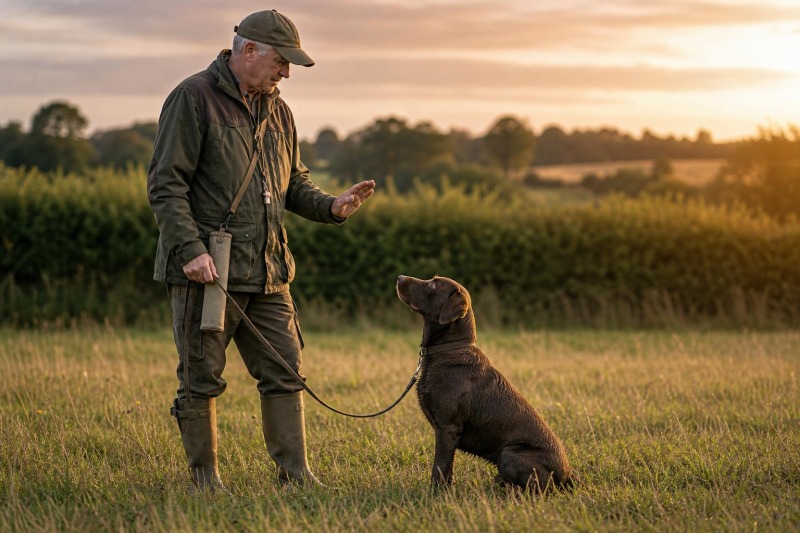
Markers, whether verbal or mechanical, have become useful tools in working dog training because they tell the dog exactly which behavior earned success. That clarity matters. A dog that knows precisely what paid off becomes faster, more confident, and more willing to offer the right response again. For high-drive working dogs, that kind of communication can turn chaos into focus.
This does not mean modern training is soft or permissive. Serious working dogs still need boundaries. They still need accountability. But the best handlers now use pressure with more care and rewards with more intention. That balance has produced dogs that are not only obedient, but thoughtful. Thoughtful dogs hold up better when conditions get rough and the script falls apart.
Technology Has Changed the Handler’s Reach
Technology is probably the most obvious sign of change, and some of it has genuinely transformed how working dogs are trained and managed. GPS collars, remote tracking systems, wearable activity monitors, and advanced e-collar systems have given handlers a clearer picture of what a dog is doing, where it is going, and how it is responding in real time.
For handlers running dogs over big country, GPS tracking has been especially valuable. A generation ago, if a dog punched into heavy cover, rolled over a ridge, or got out of sight in bad weather, you depended on instinct, sound, and luck. Today, a good GPS system lets you monitor range, location, pace, and pattern. That helps with safety, but it also helps with training. You can study how a dog hunts, whether it is checking in naturally, how it handles terrain, and where control begins to break down.
Remote collars have changed too. Used poorly, they are still a shortcut to confusion. Used well, they have become more refined than many critics realize. Modern systems allow lower, more consistent stimulation levels, better responsiveness, and cleaner communication at distance. In capable hands, they are no longer just correction tools. They can reinforce known behaviors with far more precision than older equipment ever allowed.
Then there is video. That may not sound exciting, but it has become one of the most useful training aids around. Watching recorded sessions reveals things a handler misses in the moment: sloppy body mechanics, mixed signals, poor timing, or a dog showing early signs of stress. A lot of training problems become easier to fix once you can actually see them.
Data Tracking and Conditioning Matter More Than Ever
Modern innovations are not limited to obedience and handling. Physical conditioning is now a bigger part of the conversation, especially for serious working dogs. Handlers are paying closer attention to stamina, recovery, joint stress, hydration, and workload management. That is a good thing. A dog asked to perform hard work without proper conditioning is not tough; it is just at risk.
Wearable monitors and fitness tracking tools can help handlers understand how much ground a dog covers, how hard it is working, and how quickly it recovers after exertion. That information matters whether you are preparing for trial work, hunting season, livestock management, or service tasks. It also helps prevent overtraining, which can be as damaging as undertraining.
Modern conditioning programs, better nutrition, and closer monitoring have helped handlers keep dogs sounder and more durable. That means better performance and longer careers.
Behavior Science Has Improved Problem Solving
One of the best changes in working dog training is the growing respect for behavioral science. Trainers are better at reading arousal, stress, motivation, and environmental pressure than they used to be. Years ago, a dog showing avoidance, vocalizing under strain, or shutting down might have been labeled stubborn or weak. Sometimes that was true. Often it was not. More often than not, the dog was confused, overstimulated, or pushed too far too fast.
Modern trainers are more likely to break problems apart. They look at thresholds, reward value, genetic tendencies, and context. Is the dog failing because it does not know the task? Because distraction is too high? Because pressure was introduced before understanding? That kind of thinking leads to cleaner fixes.
This approach has been especially helpful with sensitive dogs and extremely driven dogs, both of which can be tricky in different ways. Sensitive dogs need confidence built without constant conflict. Hard-charging dogs need impulse control without crushing initiative. Science-backed training methods have given handlers better ways to thread that needle.
Breed-Specific and Job-Specific Training Is More Refined
Another innovation, though it receives less attention, is the growing understanding that not all working dogs should be trained the same way. That ought to be obvious, but for years plenty of handlers tried to fit every dog into one system. Modern trainers are more likely to tailor methods to the dog’s genetics and the job at hand.
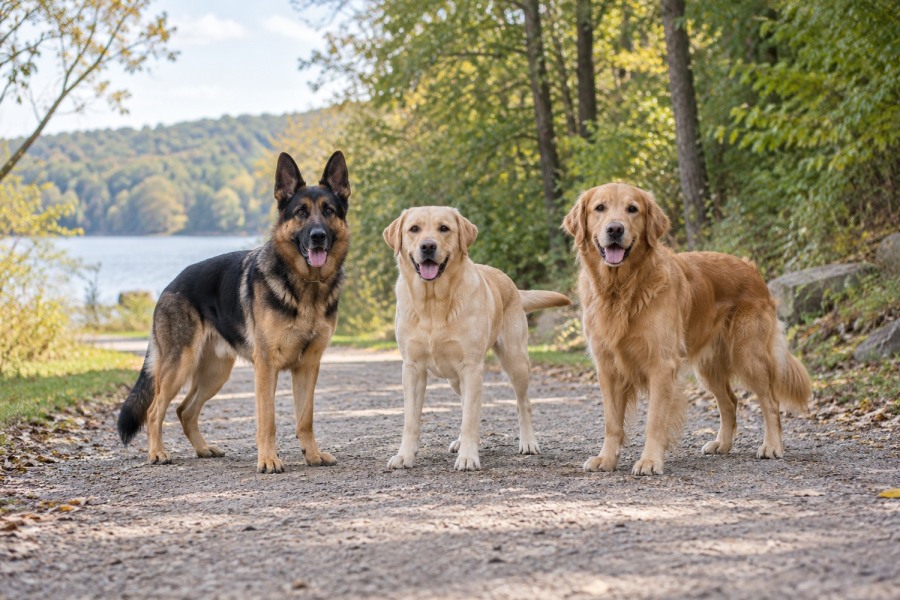
A pointing dog, a retriever, a flock guardian, a patrol dog, and a scent detection dog may all be called working dogs, but the way they process pressure, use their instincts, and respond to reinforcement can differ sharply. Better trainers now adapt session structure, rewards, and correction strategies to suit those differences. That produces dogs that are not only more efficient, but more natural in their work.
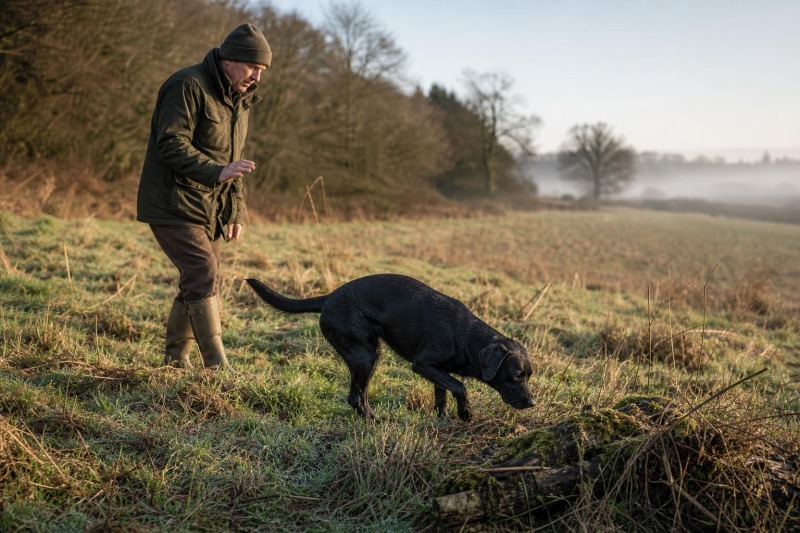
In the hunting world, that has led to cleaner retrieves, steadier dogs, and more reliable handling at distance. On the stock side, it has led to dogs that read pressure better and work with more finesse. Across disciplines, the common theme is this: train the dog in front of you, not the dog in a textbook.
The Old Lessons Still Matter
For all the changes, the foundation has not moved much. No device can replace consistency. No app can create desire. No modern method can save a handler who lacks patience, fairness, or the humility to admit when the dog is confused. Innovations are tools, not miracles.
Show the dog what you want. Be clear. Be fair. Do not ask for what you have not taught. Build trust before demanding precision. Hold standards once the dog understands. Read what is in front of you, not what you hoped to see.
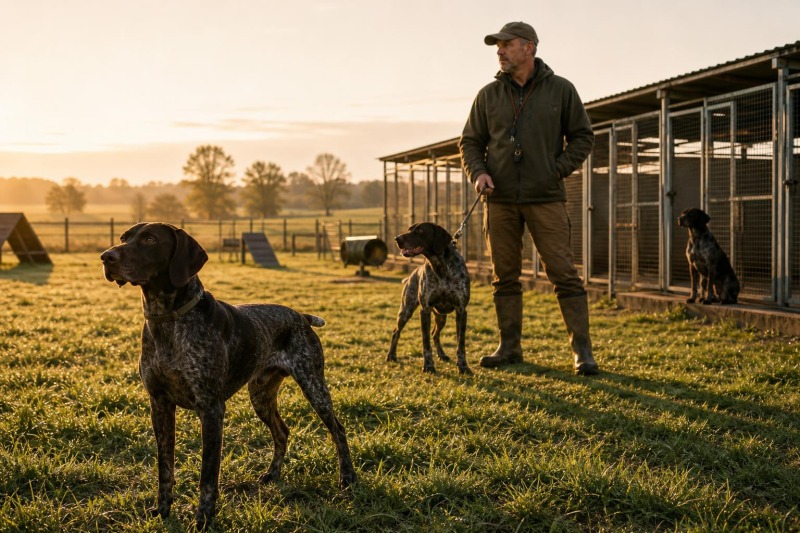
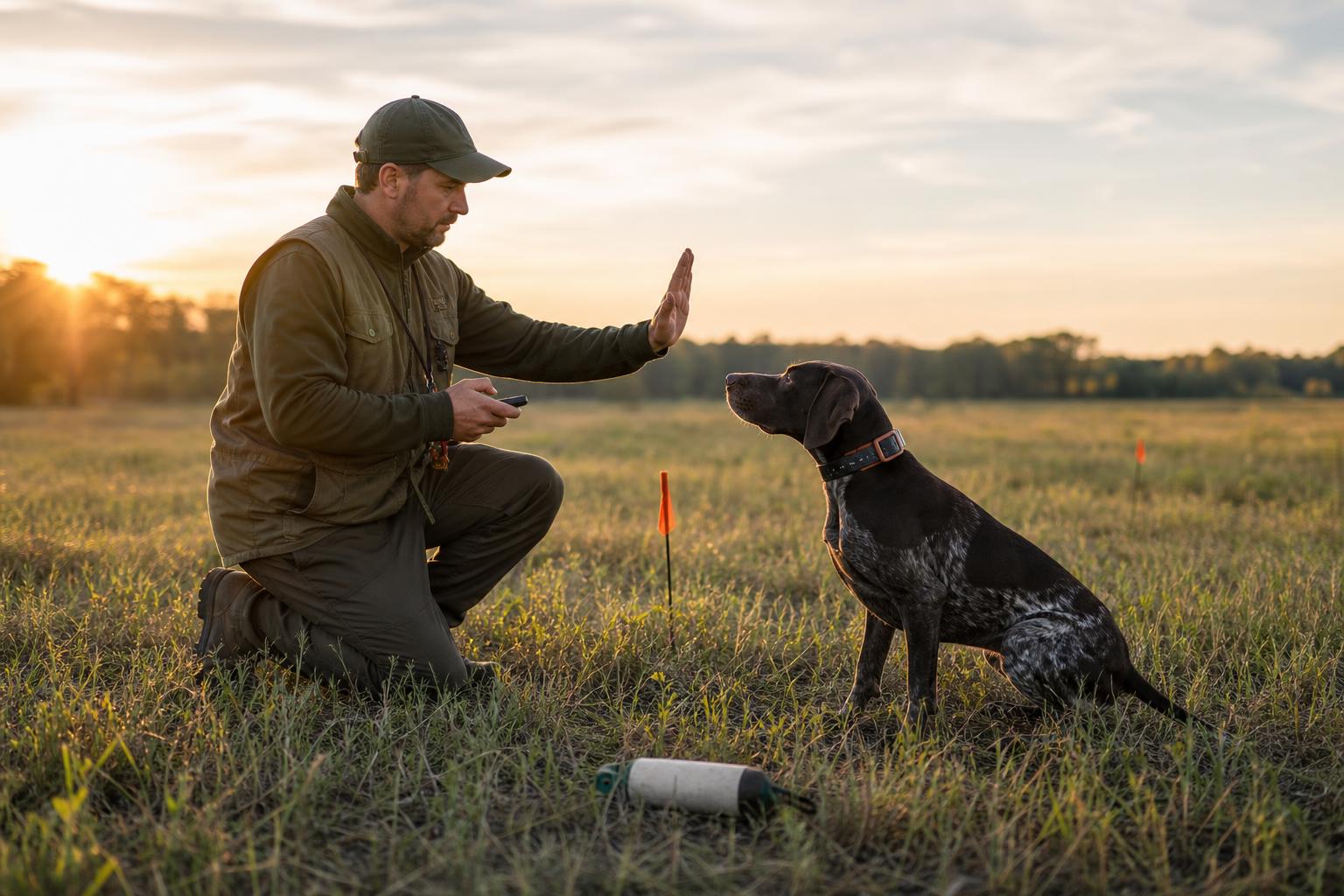
The handler had every modern advantage—GPS, collar, training log, and recorded sessions to study afterward—but what stood out was not the gear. It was the relationship. The dog trusted the line it was given. The handler knew exactly when to guide, when to stay quiet, and when to let the dog solve the problem. That is modern training at its best. It combines better tools with seasoned judgment.
Where Working Dog Training Is Headed Next
Handlers will continue using data to tailor conditioning, refine workload, and adjust training progression for each individual dog. We will likely see more integration between health monitoring, performance tracking, and behavior analysis. That could help catch fatigue, stress, or physical issues before they become training setbacks.
Still, the future of working dog training will belong to handlers who know how to blend innovation with feel. You can buy good equipment. You can study new methods. But you still have to learn the dog. You still have to spend the quiet hours in the field, in the yard, and on the training ground where understanding is earned, not downloaded.
For dog owners interested in working dogs, that should be encouraging. There has never been a better time to train one well. We know more than we used to. We can communicate more clearly. We can protect the dog’s body and mind better than prior generations did. If we use these innovations wisely, we do not lose the old traditions. We strengthen them. And in the end, that is what every good working dog deserves: a handler willing to honor the past while training with the best tools of the present.