Working Dog Problem Solving Starts Long Before the Field Test
Anybody who has spent real time behind a good dog knows there is a difference between obedience and useful intelligence. A dog can sit on command, heel cleanly, and still come apart when the ground turns rough, the wind shifts, or a bird runs instead of flies. Working dog problem solving is what separates a trained dog from a trustworthy partner. It is the ability to meet an unfamiliar challenge, stay engaged, and find a workable answer without panic or quitting.
That kind of thinking does not happen by accident. It is built through repetition, exposure, fair correction, and a handler who understands when to help and when to stay quiet. The difference is almost always in the foundation. Dogs that learn to solve problems early carry themselves differently. They hunt with purpose, recover faster from mistakes, and do not fold when the picture changes.
For dog owners interested in working dogs, this matters whether you run retrievers, versatile breeds, pointing dogs, flushing dogs, or stock dogs. The specific jobs may differ, but the principle stays the same. A working dog must be able to process pressure, make decisions inside its training, and remain responsive while doing it.
Why Problem Solving Matters in Real Work
A field is never as clean as a training setup. Scent does not always drift where it should. Cover hides movement. Water changes depth. Livestock react unpredictably. A wounded bird can pull a young dog into a knot of bad choices in a matter of seconds. When that happens, the dog has to do more than wait for a command. It has to use its nose, memory, and nerve to work through the problem while still staying connected to the handler.
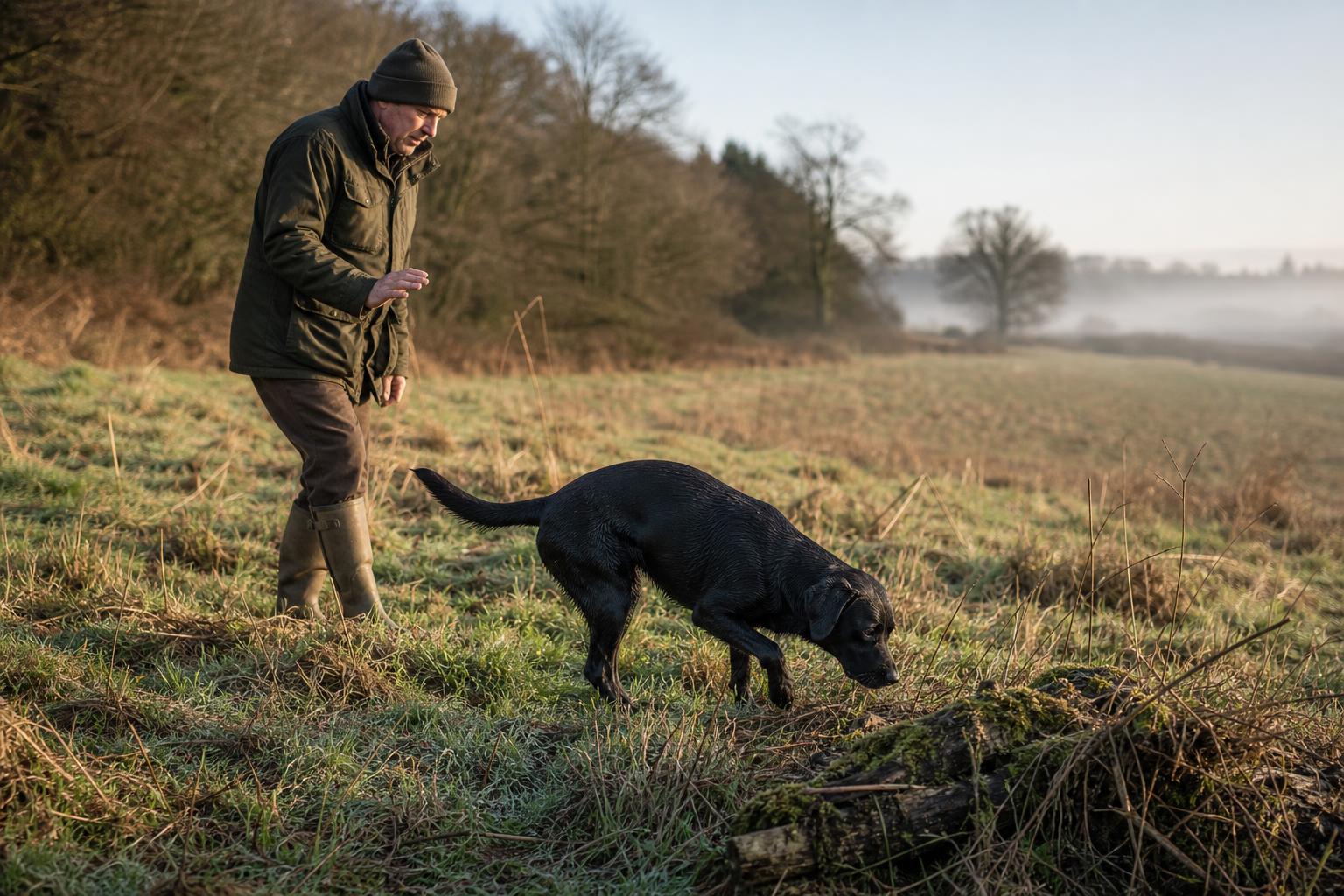
A dog with only mechanical training would have circled itself into frustration. This dog slowed down, lifted its head, tested the wind, re-entered the pocket from a new angle, and came out with the bird. That was not luck. That was learned problem solving under pressure.
Reliable dogs are not the ones that never encounter trouble. They are the ones that know trouble is part of the job and keep working anyway.
Confidence and control must grow together
One mistake handlers make is pushing independence without enough structure. Another is choking every decision with constant direction. A smart working dog needs both freedom and accountability. If you over-handle, the dog becomes dependent and hesitant. If you give too much freedom too early, the dog learns sloppy habits and self-rewarding shortcuts. The sweet spot is where the dog is allowed to think, but the standards remain clear.
How Working Dogs Learn to Think
Dogs solve problems best when the training progression is honest. Start with simple tasks, then gradually add complexity. Let the dog experience small challenges it can beat. That might mean a marked retrieve through heavier cover, a track with an angle change, a blind that forces the dog to re-enter water, or a hunt setup with hidden birds that cannot be solved by speed alone. The idea is not to trick the dog. The idea is to teach persistence, observation, and recovery.
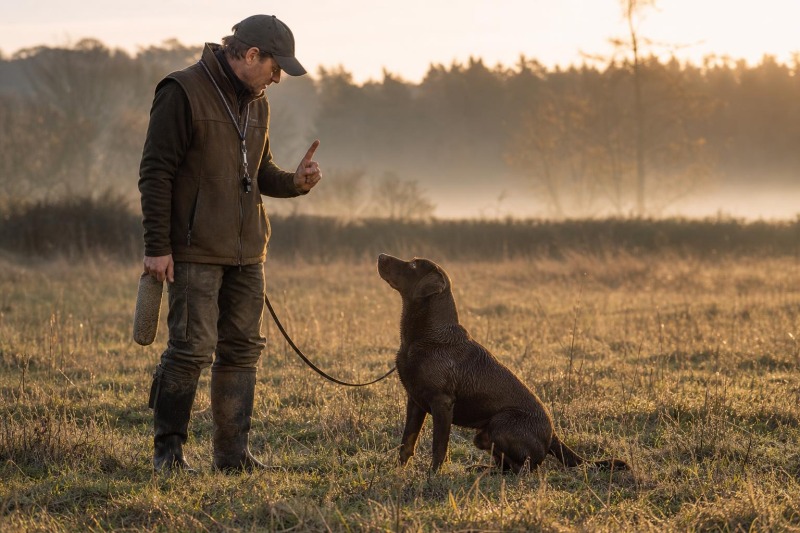
Good handlers read the dog closely during this phase. A dog that is thinking usually shows it in little ways. It pauses without shutting down. It checks scent. It changes pace. It works back to the last point of certainty. A confused dog often gets frantic, loses discipline, or starts guessing. Those are different states, and they require different responses. If the dog is honestly working, give it room. If it is unraveling, simplify the picture and help it succeed.
That is where experience counts. But waiting too long can let failure harden into habit. Timing is everything with working dog problem solving. You are teaching the dog that effort and composure lead to answers.
Pressure should clarify, not crush
Correction has a place in working dog training, but it has to be fair and well timed. Pressure should reinforce known standards, not punish honest confusion. If a dog understands a command and blows it off, that is one thing. If the dog is trying to sort through a legitimate puzzle, piling on pressure usually makes the wheels come off. The best dogs handle pressure because they were introduced to it in a way that built understanding rather than fear.
This is especially true with sensitive dogs. A hard dog may bounce back from a poor correction and keep charging. A softer dog may start second-guessing every move. Neither outcome helps problem solving. The goal is a dog that remains bold enough to engage the challenge and steady enough to accept guidance.
Common Problem-Solving Gaps in Working Dogs
Most breakdowns in the field trace back to predictable gaps in training. Some dogs struggle with environmental changes. They look polished on familiar grounds and then lose their mind in new cover, cold water, steep banks, or thick brush. Others lack patience. They know one speed, and when speed fails, so do they. Some dogs have not been taught to carry a task through uncertainty, so the moment scent thins or the visual picture disappears, they quit and look back for rescue.
Handlers can create these gaps without realizing it. Too many clean repetitions produce a dog that expects everything to be obvious. Too much handler intervention creates dependency. Too little exposure leaves the dog shocked by ordinary field conditions. If you want a dog that can work through trouble, it has to meet trouble during training.
That does not mean chaos. It means thoughtful variety. Change terrain. Change wind. Add obstacles. Move the point of entry. Let a retrieve become a hunt. Let a simple line require adjustment. Give the dog chances to recover from imperfect starts. That is how resilience is built.
Reading the Dog in Front of You
No two working dogs solve problems the same way. One may attack the issue with intensity and need help slowing down. Another may be methodical and need encouragement to trust itself sooner. Good handling depends on recognizing what the dog naturally offers and shaping it without taking away its strengths.
A driven dog can look impressive, but drive alone can hide poor decision-making. On the other hand, a careful dog may not make much of a show, yet quietly solves situations that leave hotter dogs spinning. The smart trainer does not force every dog into the same mold. He builds the style that serves the work.
That is an important point for dog owners interested in working dogs. Problem solving is not just intelligence in the abstract. It is job-specific intelligence shaped by instinct, genetics, exposure, and handling. A stock dog gathering scattered cattle faces a different puzzle than a retriever handling a blind across crosswind water. Both need initiative, but each uses it in a different framework.
Let experience season the dog
There is no substitute for real work. Training creates tools, but experience teaches judgment. Dogs improve when they see enough honest situations to recognize patterns. A seasoned dog starts conserving effort, using scent more efficiently, and making better choices with less drama. That is why older finished dogs often look so steady. They have made enough mistakes to understand what works.
Building Better Problem Solvers at Home and in Training
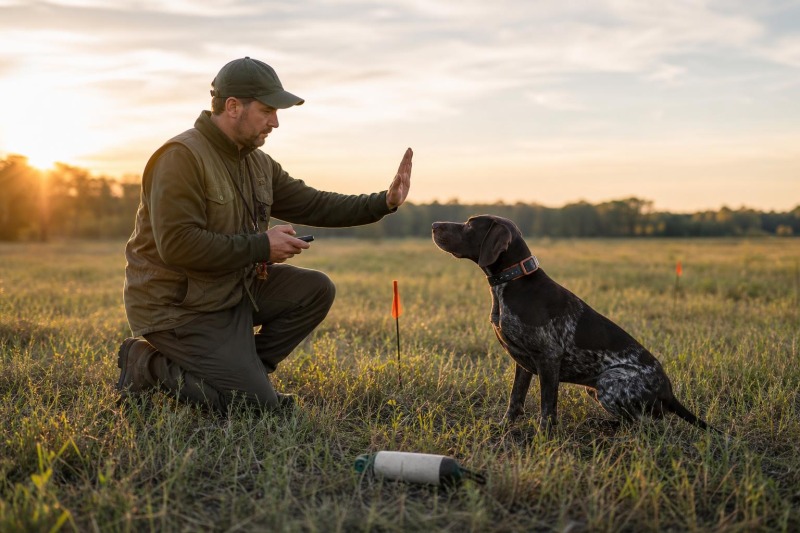
If you want a better problem-solving dog, make your sessions purposeful. Ask for more than rote compliance. Give the dog a task, then watch how it approaches the answer. Reward persistence. Interrupt carelessness. Keep standards consistent, but allow the dog to engage its brain. A dog that never gets to think becomes brittle. A dog that is always left to freelance becomes unreliable. Balance is what makes a useful worker.
Short, clear sessions often produce more than marathon drills. End with success when possible. Rotate between skill work and practical scenarios. If the dog stalls on a challenge, break it down, then rebuild confidence before returning to the full picture. The lesson should be that problems can be solved, not feared.
Above all, stay honest with your expectations. Some dogs are naturally gifted thinkers. Others need more repetition and more carefully staged progressions. That is fine. What matters is steady development. A dependable working dog is not built in a rush. It is built in weather, in repetition, in moments when the easy answer does not come and the dog learns to keep going until the right one does.
The Mark of a Finished Working Dog
Working dog problem solving is about trust. When you send a dog into cover, across water, onto scent, or into pressure, you want to believe it can handle what it finds. Not perfectly every time, but honestly, intelligently, and with enough grit to stay in the job. That kind of dog is a pleasure to hunt over and a satisfaction to train because it is not just following commands. It is participating in the work.
They were the ones that stayed composed when things got muddy, adjusted when the script fell apart, and kept trying until they put the job in your hand. That is the heart of a true working partner, and it is why problem solving deserves a central place in every serious training program.