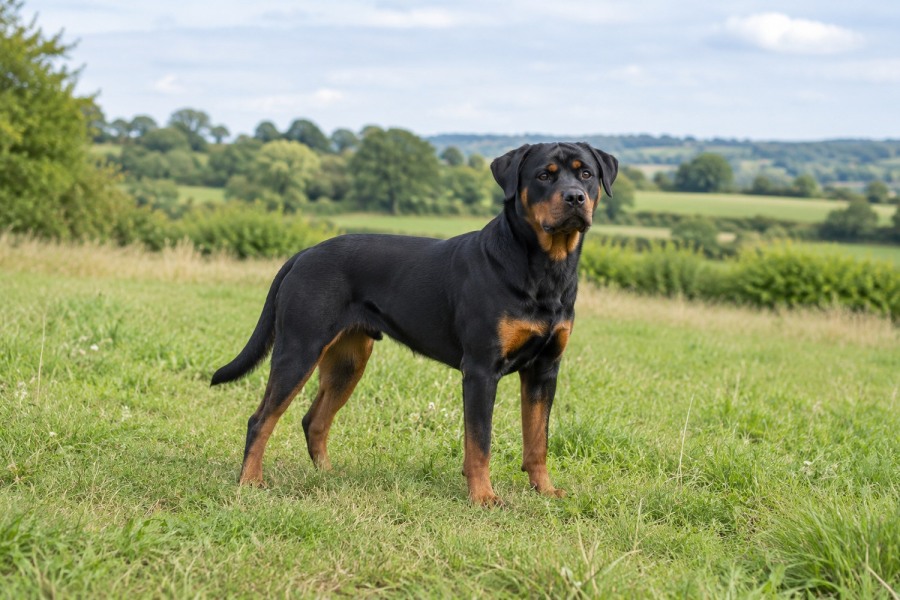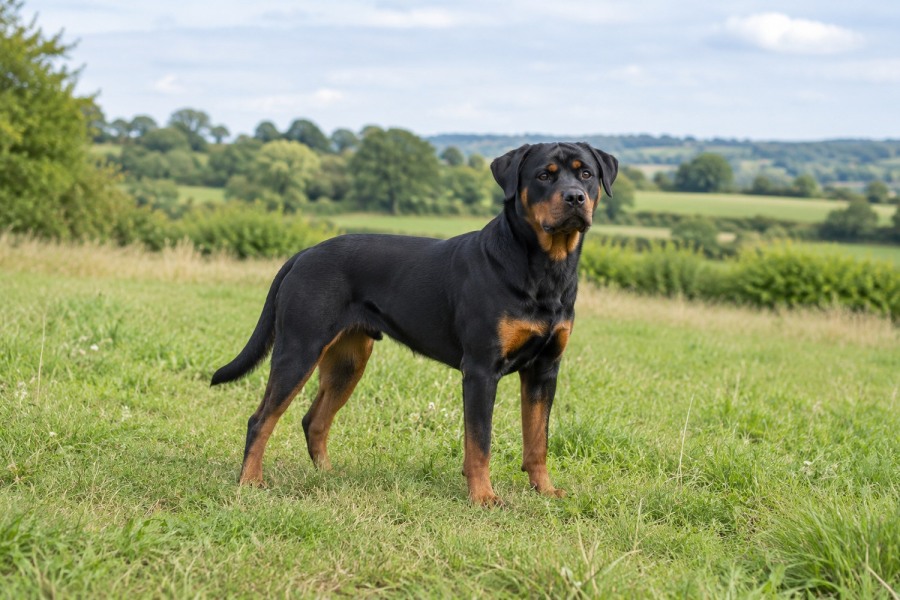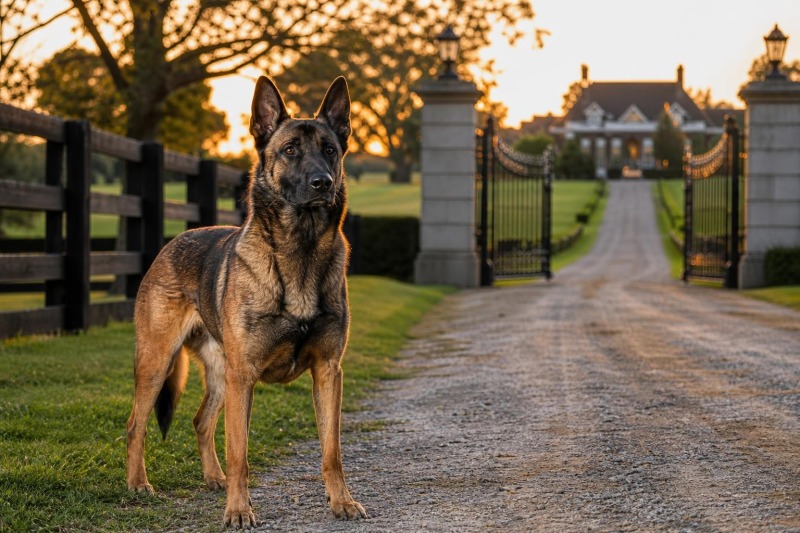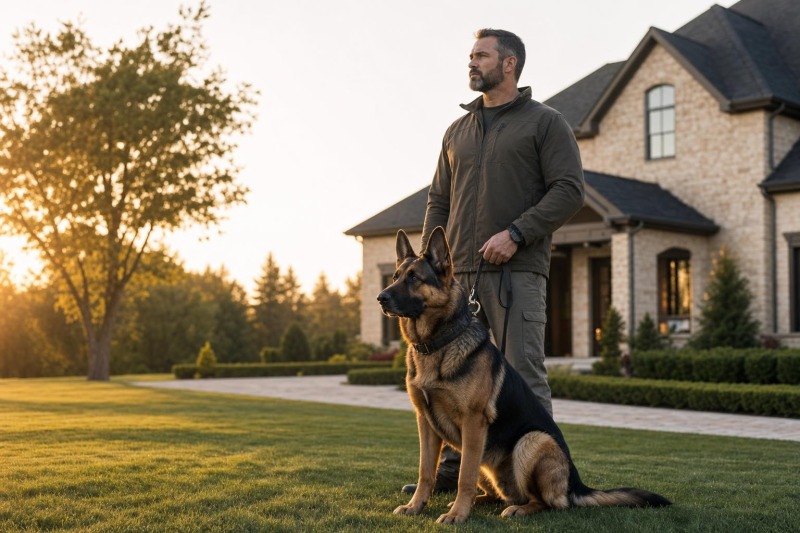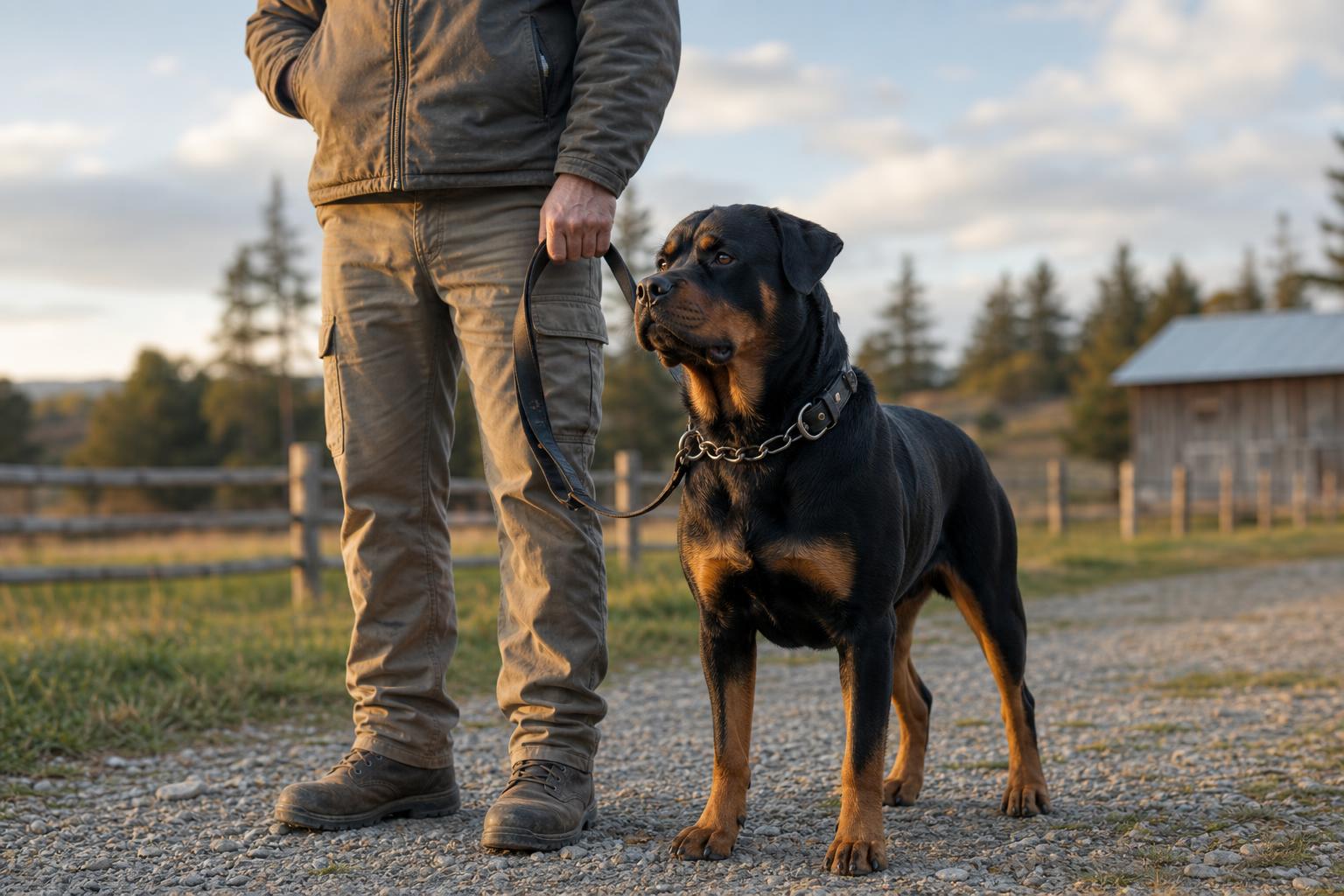
A Rottweiler’s appearance and reputation say little about its readiness for protection work. Sound temperament, control, health, and appropriate training need to be assessed individually. Responsible ownership begins with daily management and realistic expectations.
When folks ask whether Rottweilers make good protection dogs, the short answer is yes, they absolutely can. The better answer is that the right Rottweiler, in the right hands, with the right bloodlines and training, can be one of the most capable personal protection dogs a person could own. The wrong one, or one raised carelessly, can become a liability in a hurry. That is the truth with any strong working breed, but with a Rottweiler, the stakes feel heavier because of the dog’s power and presence.
Why the Rottweiler Fits Protection Work
The Rottweiler was not created to be a showpiece. This is a breed with roots in droving, guarding, and practical labor. That history still matters. Good Rottweilers tend to carry a natural territorial instinct, strong attachment to their people, and a grounded confidence that is different from the frantic edge you sometimes see in poorly bred guard dogs. A sound Rottweiler does not need to fly apart at every sound in the yard. It should notice what matters, hold itself together, and be ready when called on.
That steadiness is one of the breed’s biggest assets in protection work. A protection dog must be able to switch on and off. It needs enough suspicion to recognize a threat, enough courage to stand its ground, and enough clarity to stop when the threat has passed. A dog that is all fire and no brakes is not dependable. A Rottweiler with proper temperament often brings that balance naturally. It can lie quiet on the porch, ride calmly in a vehicle, or settle in the house with the family, then stand up hard and serious the second something feels wrong.
Physically, the breed is well suited for the job. Rottweilers have the size, jaw strength, and body mass to make an impression before any contact ever happens. Most trouble starts backing up when confronted by a confident dog that means business. In many real-world situations, the dog’s presence alone is enough to deter a threat. That deterrent value is something owners should not overlook. Protection is not always about biting. More often, it is about preventing a bad situation from developing in the first place.
Temperament Matters More Than Toughness
One lesson working dog people learn early is that toughness by itself is cheap. Plenty of dogs act hard. Far fewer have the nerve and judgment required for controlled protection. The best Rottweiler protection dogs are stable, clear-headed, and social enough to move through the world without turning every stranger into a problem. That is a critical distinction.
A good protection prospect should not be fearful, nervy, or unpredictable. Fearful dogs often become dangerous for all the wrong reasons. They react instead of assess. They bite from panic, not purpose. That may look intense to an inexperienced owner, but it is not protection work. It is instability. A real protection dog should be confident under pressure, environmentally sound, and responsive to direction.
The Difference Between a Guard Dog and a Protection Dog
This is where many people get mixed up. A guard dog may alert, bark, and make its territory difficult to approach. A protection dog goes further. It is trained to engage a real threat under control and, just as importantly, to disengage when handled. That level of reliability takes genetics, socialization, obedience, and specialized training. It is not something that appears automatically because the dog is a Rottweiler.
Then the dog reaches maturity and they realize they have a hundred-pound animal with attitude but no structure, no obedience, and no clear understanding of what is expected. That is not protection. That is a wreck waiting on a place to happen.
Early Socialization and Foundation Training
If you want a Rottweiler to become a safe and effective protection dog, the work starts early. Not with bite work, but with exposure, obedience, and confidence building. A young dog should learn to move through different environments without stress. It should see people, surfaces, noises, vehicles, buildings, and everyday activity. The point is not to make the dog indiscriminately friendly. The point is to make it stable and observant rather than suspicious of everything unfamiliar.
Obedience is the backbone of all protection training. Sit, down, recall, heel, place, and a reliable out command are not optional on a powerful breed. They are what make the dog usable in the real world. A Rottweiler that cannot be called off, settled, or directed under pressure is not finished, no matter how impressive it looks on a sleeve.
They are not usually as flashy as some breeds, but they can be wonderfully deliberate. That can make them excellent in home protection settings, where steadiness often matters more than sport-style speed.
Professional Protection Training Is Essential
There is no shortcut here. If your goal is a true personal protection dog, get professional help from a trainer who understands working-line Rottweilers and real protection development. Backyard agitation, teasing a dog into aggression, or encouraging uncontrolled guarding behavior is a bad road. It produces confusion, stress, and sometimes lawsuits.
Proper training develops control before confrontation. The dog learns when to alert, how to target, how to release, and how to remain neutral when there is no threat. It also teaches the handler how to read the dog, manage scenarios, and avoid creating unnecessary conflict. Good trainers build confidence, not chaos.
A quality protection program also tests the dog honestly. Not every Rottweiler has the right nerve for civil work. Some are better suited to active family guardianship and deterrence than full protection training. There is no shame in that. In fact, it is better to know a dog’s limits than force it into work it is not built to handle.
Are Rottweilers Good Family Protection Dogs?
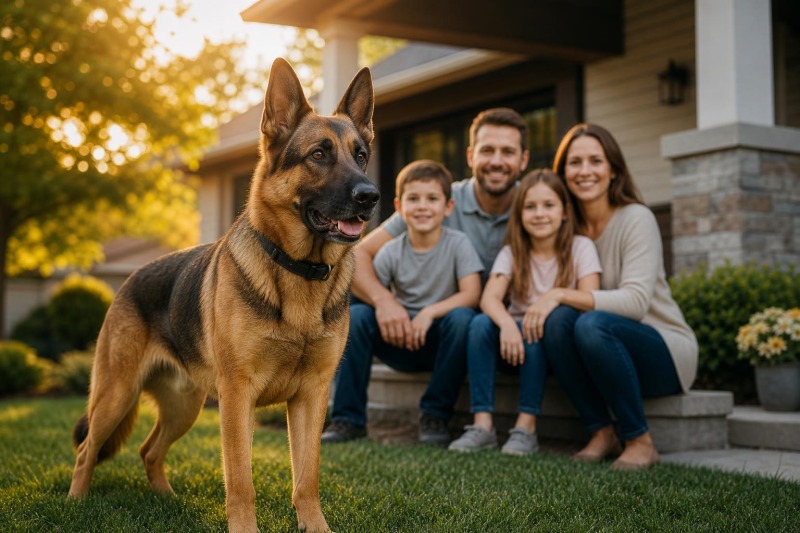
In the right home, yes. A well-bred, well-trained Rottweiler can be a deeply loyal family protection dog. The breed often bonds closely with its household and carries a natural sense of responsibility around home and property. Many owners value that quiet awareness. A good one notices everything. It does not need to make a scene to let you know somebody is out at the gate.
That said, this is not a casual breed for casual ownership. Rottweilers need leadership, structure, and regular training. They are intelligent enough to test weak handling and powerful enough to make mistakes serious. Families with children can do very well with a stable Rottweiler, but supervision, boundaries, and proper introductions are non-negotiable. A protection dog should never be treated like a loaded tool left lying around without thought.
That is the kind of awareness people admire in Rottweilers. It is not frantic. It is not noisy unless it needs to be. It is calm until calm is no longer the right answer.
Common Misunderstandings About the Breed
One of the biggest mistakes people make is assuming aggression equals protection ability. It does not. Uncontrolled aggression is the enemy of reliable working behavior. Another mistake is choosing a puppy based only on size, head shape, or how dominant it acts in the litter. What you want is balanced temperament, environmental confidence, strong nerves, and proven working aptitude behind the dog.
There is also the matter of exercise and mental engagement. A bored Rottweiler can become pushy, destructive, or overly territorial. Protection ability is best built on a dog whose daily life already includes obedience, structured activity, clear rules, and regular human interaction. These dogs thrive when they have a job, even if that job starts with simple discipline and routine at home.
Ownership Responsibility Comes First
Owning a Rottweiler for protection means accepting real responsibility. You are not just owning a pet. You are handling a breed with strength, instinct, and public perception attached to it. That means secure fencing, lawful ownership, thoughtful training, and a commitment to management. If an owner wants the image of a protection dog without the discipline that comes with it, this breed will expose that weakness sooner or later.
Is a Rottweiler the Right Protection Dog for You?
If you want a dog that can combine presence, loyalty, trainability, and serious protective potential, the Rottweiler deserves a hard look. For many owners, especially those who appreciate traditional working breeds, the Rottweiler offers a rare blend of family devotion and practical defense. But this breed asks something in return. It asks for time, structure, training, and respect for what the dog is.
The best Rottweilers as protection dogs are not the wildest ones or the loudest ones. They are the steady ones. The dogs that can think under pressure, read their handler, and stand firm without coming apart. Those are the dogs that keep homes safer and owners more confident. If you start with good breeding, invest in professional training, and handle the dog with common sense, a Rottweiler can be far more than an imposing silhouette in the yard. It can be a trustworthy working partner when it matters most.