PTSD Service Dogs for Veterans: What Real Working Support Looks Like
A PTSD service dog is trained for tasks related to its handler’s disability. Suitability depends on the person, the dog, and the demands of everyday life together. Careful assessment and realistic expectations matter throughout training and placement.
For many veterans, PTSD does not always look dramatic from the outside. It may show up as hypervigilance in a grocery store, a racing pulse in a crowded parking lot, sleepless nights, irritability, isolation, or a constant sense that danger is close even when the room is quiet. A trained service dog can help bridge that gap between feeling overwhelmed and staying grounded long enough to function. That is where these dogs earn their keep.
What a PTSD Service Dog Actually Does
There is still plenty of confusion around this subject, and that confusion does veterans no favors. A PTSD service dog is not the same thing as an emotional support animal. A true service dog is individually trained to perform specific tasks that reduce the impact of a disability. In the case of PTSD, those tasks often revolve around interrupting spiraling behavior, improving situational awareness, and helping the handler regain control during stressful moments.
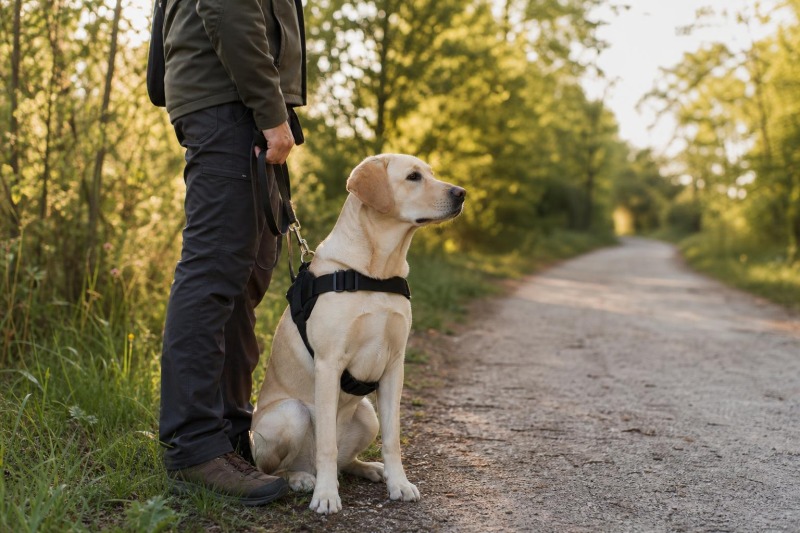
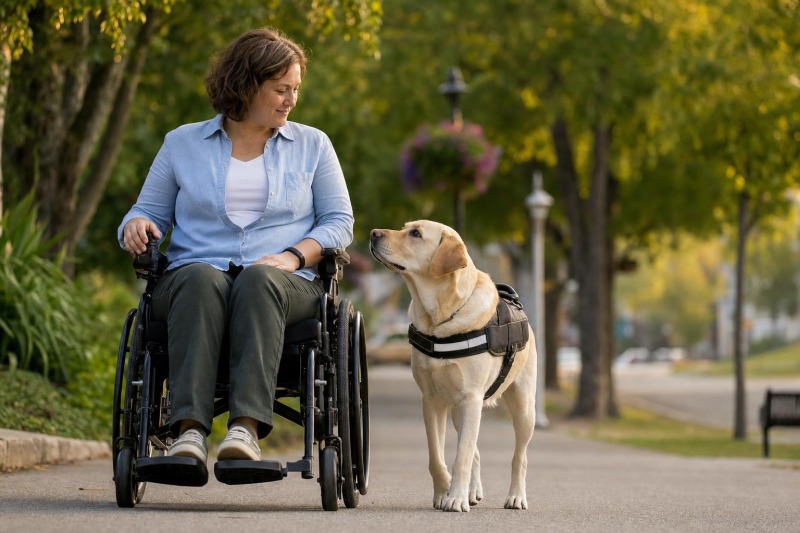
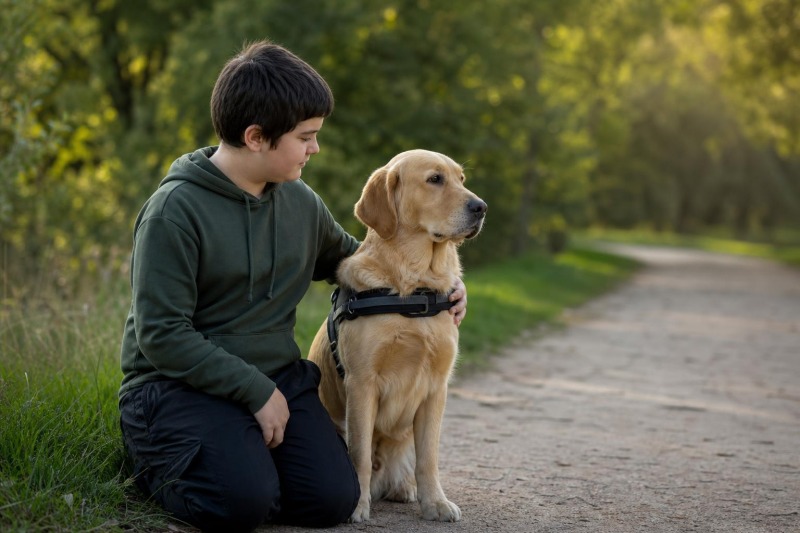
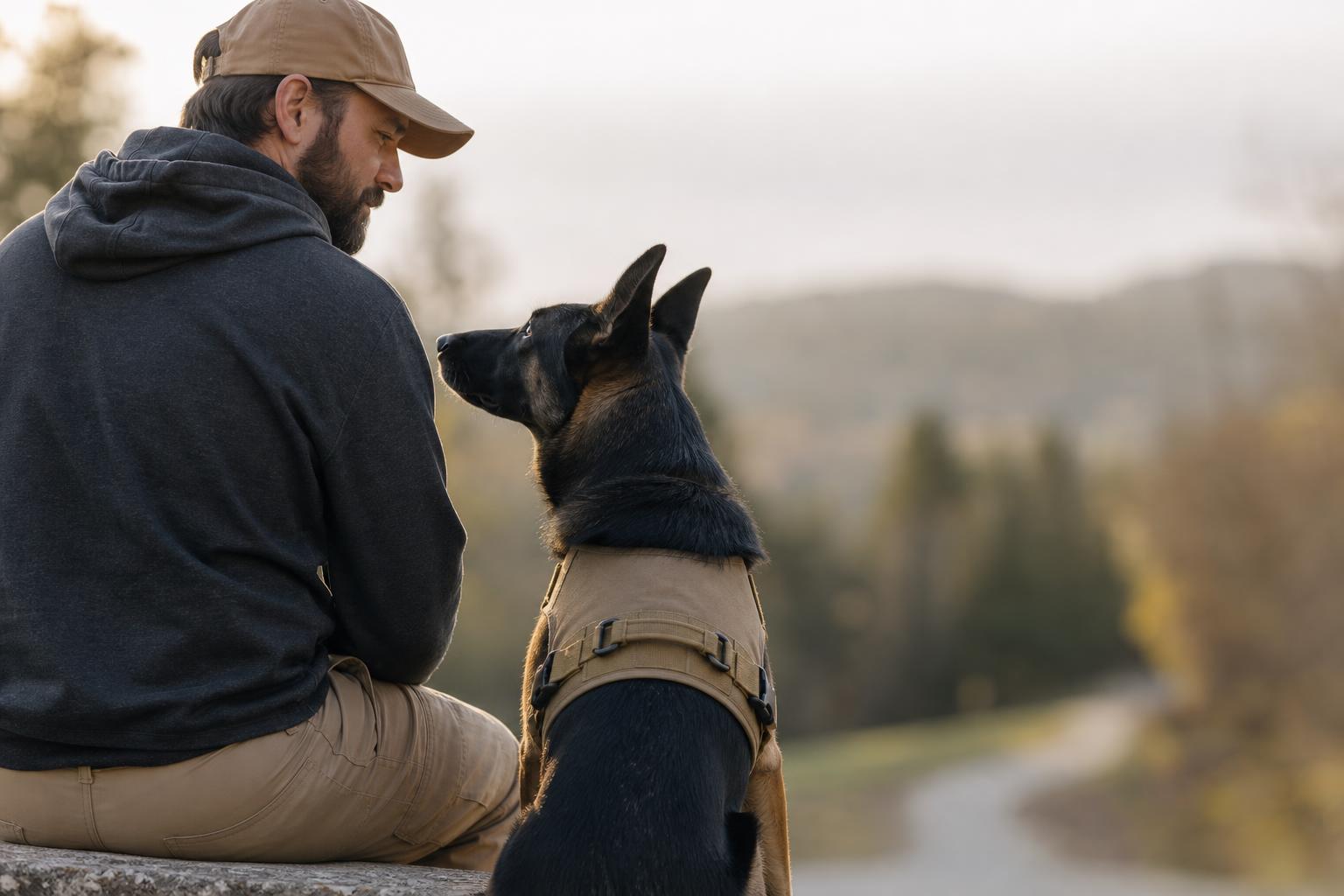
A veteran dealing with anxiety in a crowd may rely on a dog trained to create physical space by standing behind or beside them. Another may need a dog that can wake them during night terrors, turn on a light, or lead them out of a triggering environment. Some dogs are trained to notice early signs of distress such as shaking hands, shallow breathing, pacing, or repetitive movements. When they recognize those signals, they nudge, paw, lean, or guide their handler into a calmer state before things escalate.
That may sound simple on paper, but anyone who has worked a dog knows how much discipline sits behind a behavior that looks natural. Reliability is what separates a service dog from a pleasant companion. The dog must hold up in public, in noise, around distractions, and during the handler’s worst days.
The Value of Task Training
Task training is the backbone of the whole arrangement. The dog is not just there to make someone feel better. The dog is trained to do something measurable and repeatable that lessens the effect of PTSD. That may include room checks, blocking in crowded spaces, medication reminders through alert behaviors, nightmare interruption, or guiding a veteran to an exit during a surge of panic. The best teams move together with quiet efficiency, almost like a seasoned retriever and hunter who no longer need many words between them.
Why Veterans Often Respond So Well to Working Dogs
Veterans are often well suited to life with a working dog because the relationship is built on routine, responsibility, and trust. Dogs thrive when expectations are clear, and many veterans appreciate exactly that. Feed times, training reps, grooming, public access manners, and structured work create a rhythm that can be stabilizing in itself. A good dog gives a person a reason to get up, gear up, and step outside the house even on a rough morning.
There is also something powerful about partnering with an animal that does not ask for explanations. A dog does not need a long conversation about why a crowd feels wrong or why sleep has been hard for three nights running. It notices change, responds to training, and stays present. That kind of honest, immediate support can be a lifeline.
When a dog knows its job and the handler believes in that dog, the pair develops a confidence that is hard to fake. For veterans dealing with PTSD, that confidence can begin to spread into daily life. Running errands gets easier. Family outings feel possible again. The world does not become perfect, but it often becomes manageable.
Choosing the Right Dog for PTSD Service Work
Not every good dog is cut out for service work, and this is where romance needs to give way to reality. The right PTSD service dog must be steady, biddable, environmentally sound, and able to recover quickly from surprises. Public access work demands a dog that can settle under a restaurant table, ignore commotion in a store, and move through tight spaces without becoming reactive or worried.
Breed can matter, though temperament matters more. Labrador Retrievers, Golden Retrievers, and Standard Poodles often show up in service work because they combine trainability, stability, and sociability in ways that suit public life. That said, individual dog quality means everything. A hard-charging dog with too much edge, too little nerve recovery, or poor impulse control may shine elsewhere but not in this role.
Temperament Over Image
Plenty of people fall in love with the image of a particular breed, but service work is not about image. It is about sound nerves, health, and consistency. The dog has to handle elevators, traffic, children, dropped carts, loud speakers, and all the strange little pressures that stack up in public. The best candidates are confident without being pushy, attentive without being frantic, and affectionate without becoming needy.
The Training Process and the Reality Behind It
A finished PTSD service dog is the product of time, selection, exposure, and repetition. Training usually begins with foundation obedience and socialization, then advances into public access skills and disability-specific tasks. Depending on the program and the dog, the process can take many months to two years or more. Washout rates are real. A dog may be lovely at home and still not possess the nerve or consistency for service work.
That matters because veterans deserve dogs that are truly prepared. A half-trained dog can add stress instead of relieving it. Public mistakes, reactivity, poor leash control, or unreliable task performance can undermine the entire partnership. Good programs test dogs carefully, place them thoughtfully, and continue support after placement. Owner-training is possible in some cases, but it takes honesty, skill, access to strong instruction, and a dog with the right foundation.
One thing seasoned dog people understand is that training never really ends. Even a polished working dog needs maintenance. Obedience must stay sharp. Task work must be reinforced. The handler has to read the dog and preserve the dog’s confidence. This is a partnership, not a machine you switch on.
What Dog Owners Should Understand About Daily Life With These Teams
For dog owners interested in working dogs, PTSD service dogs offer one of the clearest examples of how purpose changes behavior. A dog with a real job tends to carry itself differently. There is focus in the eyes and intent in the movement. But there is also a responsibility on the human side to keep that dog healthy, exercised, and mentally balanced.
These dogs still need down time. They still need play, routine care, and chances to simply be dogs. Burnout is possible if the animal is treated like a piece of equipment. The strongest teams usually build in both structure and relief. Work when needed, settle when possible, and maintain the dog as an athlete of the nervous system as much as the body.
It is also worth saying plainly that a service dog is not a cure for PTSD. The dog is one tool, though often a very effective one, within a broader support system that may include therapy, medical care, family support, and lifestyle management. Framed that way, the dog becomes what all good working dogs are at heart: a trusted partner helping a human do the hard thing a little better.
The Bond, the Purpose, and the Road Forward
There is an old truth in the dog world that still holds. A good dog can bring a man back to himself. Not by magic, and not overnight, but by showing up again and again with steadiness, clarity, and a job to do. PTSD service dogs for veterans fit squarely in that tradition. They are practical dogs doing practical work in places where invisible wounds often make ordinary tasks feel steep.
For veterans who qualify and are matched with the right dog, the results can be life changing. A quieter mind in public. Better sleep. Fewer moments of feeling trapped. More confidence walking through the day. And for the rest of us who care about working dogs, these teams are a reminder of just how wide the usefulness of a good dog can reach.
In the field, in the home, or in a crowded town street, the finest dogs have always done more than follow commands. They watch, they learn, and they stand ready when their person needs them most. That is the heart of PTSD service work. It is not flashy. It is not sentimental. It is honest work carried out on four feet, and for many veterans, that kind of steady help is worth more than words can say.