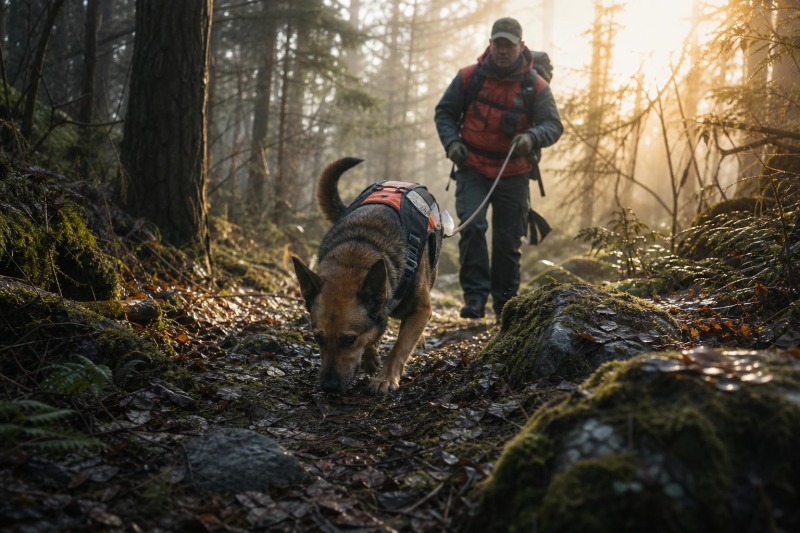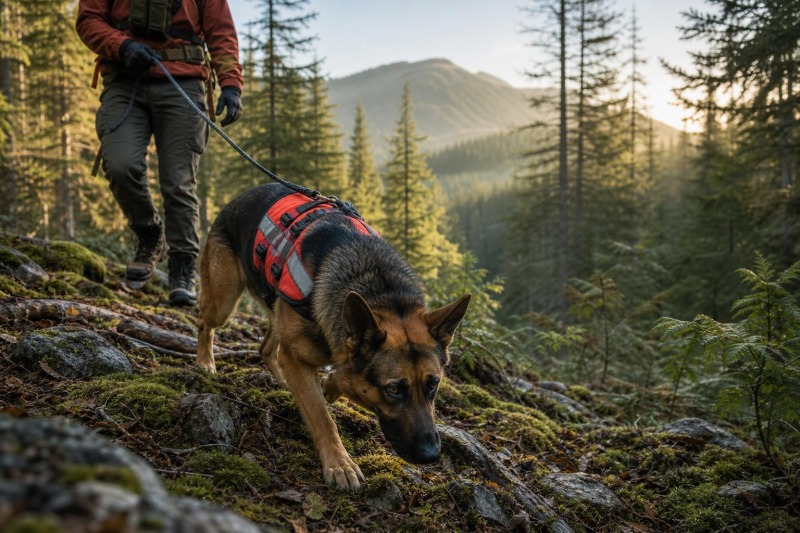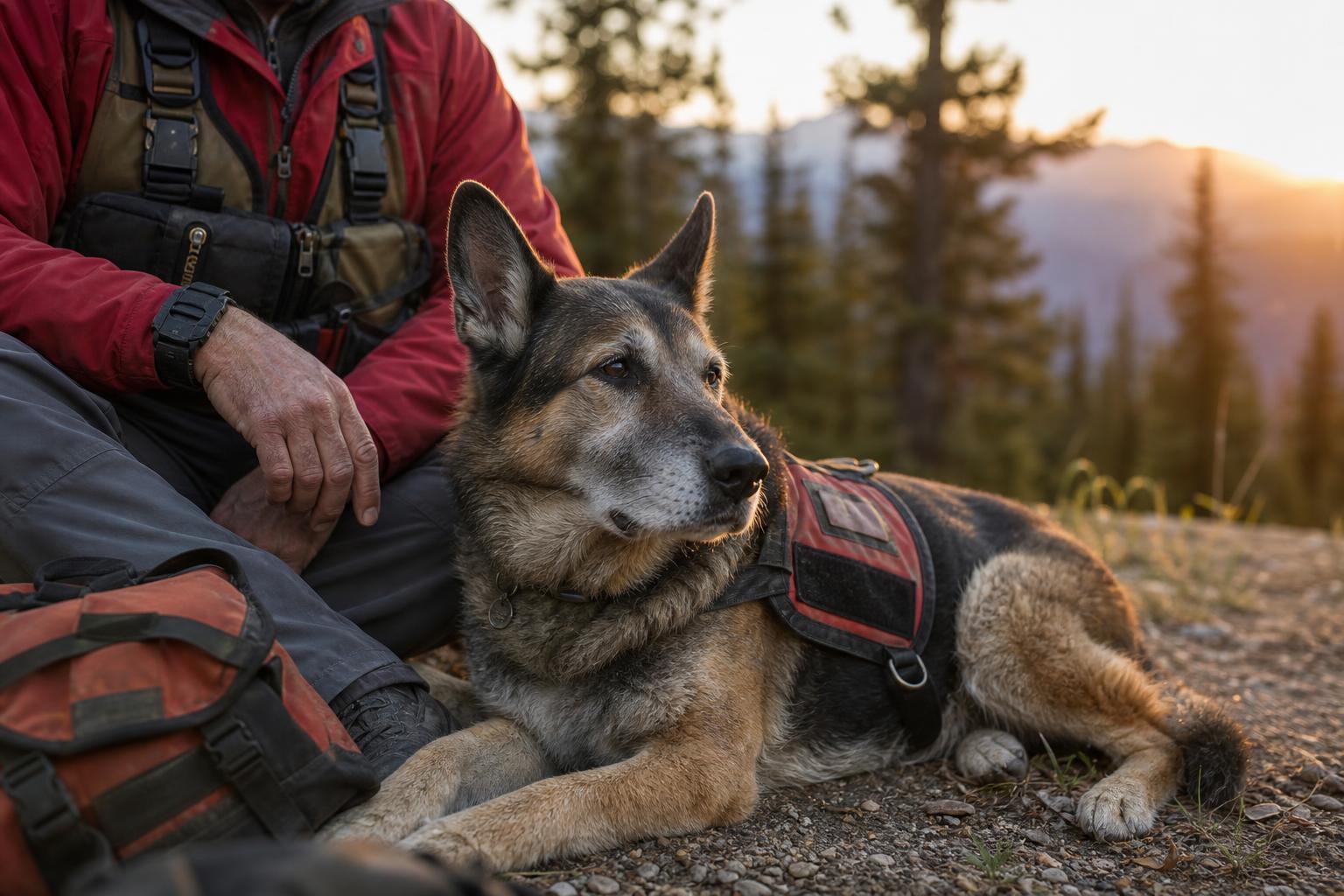
A good search and rescue dog does not know medals, headlines, or public praise. The dog knows the truck door opening before daylight, the smell of gear, the handler’s voice tightening with purpose, and the simple satisfaction of doing the job well. That is why retiring a search and rescue dog can hit harder than most folks expect. It is not just the end of work. It is the closing of a chapter built on trust, discipline, stamina, and years of shared miles.
If you have lived around working dogs long enough, whether in the field, in training grounds, or following hounds and gun dogs through rough country, you learn something plain and honest: the hardest part is often knowing when to ask less of a dog you admire. Search and rescue dogs are famous for heart. Many will keep driving forward long after their body has started bargaining behind the scenes. That puts the burden where it belongs, on the handler, the trainer, and the team leadership, to recognize when retirement is the right move.
Why retiring a search and rescue dog is different
Retirement looks different for a SAR dog than it does for many house pets because the work becomes part of the dog’s identity. These dogs are not just active. They are purposeful. They have been shaped by repetition, reward, challenge, and a close bond with a handler who has asked a lot and received even more in return. Whether the dog has worked wilderness searches, disaster response, trailing, airscent, or cadaver detection, the routine becomes deeply ingrained.
That is why retirement should never feel like a sudden disappearance of meaning. A search and rescue dog that goes from full deployment life to doing nothing at all can struggle with the change, especially if the dog is still mentally sharp and eager. The best retirements are thoughtful. They are planned, not improvised.
Knowing when it is time to retire
There is no single age when every search and rescue dog should retire. Some dogs slow down early because of orthopedic wear, heat intolerance, or chronic injury. Others keep remarkable drive and function well into their senior years. Breed, structure, workload, training history, and plain individual toughness all matter.
Still, certain signs deserve attention. The first and most obvious are physical. A dog that once loaded into the truck with spring in its spine may hesitate. Tight turns become wider. Recovery after training runs takes longer. A dog may start favoring one side after hard ground, show stiffness the morning after a search, or lose confidence on unstable footing that never used to bother it. In a younger dog you might call it a rough day. In an older working dog, patterns matter more than isolated moments.
Then there are the quieter signs, the ones handlers can miss because they are hoping not to see them. The dog may still want to work but no longer holds the same intensity through a full operational period. Focus drifts. Environmental stress stacks up faster. Heat, cold, slick terrain, and long transport days seem to take more out of the dog than before. Sometimes the nose is still willing but the body cannot support the effort needed to use it efficiently.
Mental fatigue deserves just as much respect as physical decline. Search and rescue demands problem-solving, resilience, and emotional steadiness around pressure, strange people, rough scenes, and long waits broken by sudden action. Some dogs begin showing signs of stress, confusion, or reluctance that tell you the work is costing more than it once did. That does not mean the dog is weak. It means time is catching up, same as it does with any honest worker.
Listen to the dog, not your pride
Handlers can be the last people to accept retirement because the dog has become so central to their own routine and sense of purpose. That bond is beautiful, but it can cloud judgment. A dog that has saved time, covered country, and found the missing deserves an advocate, not an audience waiting for one more performance.
That is unfair to the dog. If the animal is compensating, struggling, or taking longer to recover after each mission, the kindest choice may be stepping back before the dog has a bad failure, a serious injury, or a miserable final deployment.
The role of veterinary evaluation
Retiring a search and rescue dog should involve more than instinct, though instinct matters. A thorough veterinary assessment helps confirm what the handler may already suspect. Joint health, spinal condition, cardiovascular fitness, vision, hearing, dental pain, and metabolic issues all influence working ability. A dog can remain driven even while carrying hidden discomfort.
For older SAR dogs, regular exams are worth their weight in gold. They help separate a manageable condition from a true retirement signal. In some cases, a dog may benefit from reduced duty, selective deployments, shorter training sessions, conditioning changes, or rehab support before full retirement becomes necessary. In other cases, the exam simply gives the handler permission to do what the heart already knows is right.
How to transition a SAR dog into retirement
The best retirement is usually gradual. If the dog is still healthy enough for light participation, many handlers ease the animal out of operational work over time. That may mean limiting difficult terrain, extreme weather, overnight operations, or long-duration searches. Some retired dogs remain involved in demonstrations, basic training environments, or controlled scent games that satisfy the brain without demanding the same physical cost.
This matters because working dogs do not understand the word retirement the way people do. They understand patterns. If work vanishes overnight, some dogs become restless, anxious, or depressed. A slower transition lets them adjust while preserving confidence.
Routine becomes the anchor. Keep feeding times steady. Keep exercise appropriate. Keep some version of “job time” in the week, even if it is shorter, gentler, and purely for enjoyment. A dog that spent years using its nose should still get chances to use it. Retirement does not mean turning a capable animal into furniture.
Give the dog a new purpose
Purpose after service does not have to look grand. It can be as simple as scent games in the yard, easy hikes, mentoring a younger dog by presence alone, or joining the family on daily routines that maintain connection. Some retired search dogs shift beautifully into educational demonstrations, therapy work if temperament suits, or low-impact detection games that scratch the old itch without the operational pressure.
What matters most is that the dog still feels engaged. A dog that has spent its life solving problems tends to age better when given small, achievable tasks and steady companionship.
What retirement can look like at home
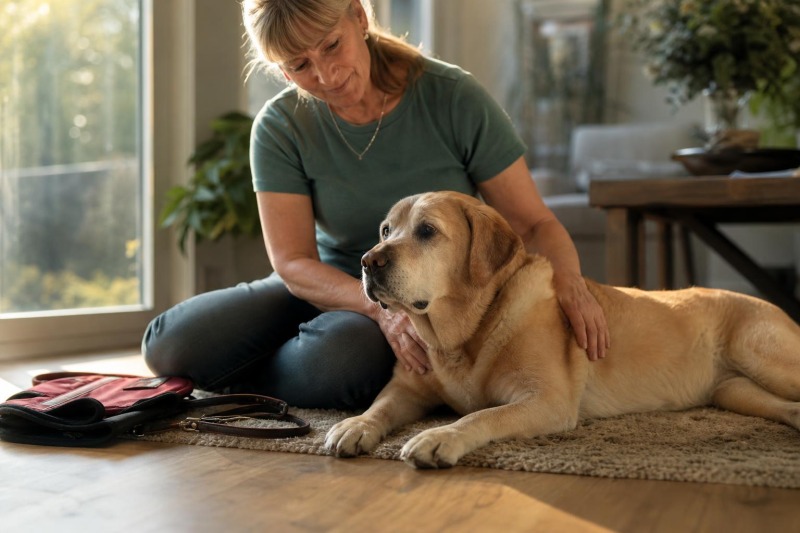
There is a picture folks sometimes carry in their head of retirement as endless naps in a warm spot by the door. And sure, there is some truth in that. A seasoned SAR dog often learns to enjoy comfort with an honesty that is hard not to admire. But a good retirement also protects mobility, mental health, and dignity.
That may mean better footing in the house, a supportive bed, ramps where needed, weight control, joint support recommended by your veterinarian, and exercise adjusted to preserve muscle without overloading old injuries. Plenty of retired working dogs still want to ride, explore, and be near the action. Let them, within reason. They have earned inclusion.
Some dogs handle retirement with surprising ease. Others spend months checking the handler’s hands for familiar gear, watching doors, or lighting up at every signal that once meant deployment. That period can be emotional for both sides. Stay patient. Dogs are remarkably adaptable when they still feel secure and connected.
Honoring the dog’s service
Retiring a search and rescue dog should be marked, not hidden. The dog may not understand a plaque or ceremony, but people do, and recognition matters. These animals give communities countless hours, absorb stress without complaint, and work under conditions many pets will never know. There is value in saying plainly that the dog’s service counted.
Sometimes the most meaningful tribute is simple: one last controlled training day where the dog gets an easy win, a favorite toy, a ride home with the windows cracked to the dog’s liking, and a quiet evening among familiar people. Other times a team retirement ceremony helps handlers and teammates acknowledge what that dog contributed. Either way, respect should be visible.
The handler’s side of retirement
People do not talk enough about the handler’s loss. When a search and rescue dog retires, the handler often loses a partner, a routine, and a piece of identity all at once. If there is a younger dog coming up, the work continues, but not in the same way. Every seasoned dog teaches lessons that cannot be repeated exactly.
That is worth admitting. Grief and gratitude often ride together here. You can be proud of a dog’s career and still feel hollow when the operational chapter closes. The healthiest handlers are the ones who let themselves feel both.
A retired SAR dog has already done the hard part. The dog showed up, searched hard, trusted your lead, and gave what it had. The handler’s final job is to return that loyalty with wisdom. Make the call in time. Protect the dog’s body. Preserve its confidence. Give it a life after service that still carries joy, routine, and closeness.
Retiring a search and rescue dog is not about taking something away. It is about recognizing a lifetime of work and knowing when the bravest thing you can do is ask the dog to rest. For an animal that has spent years helping others get home, a good retirement is how we make sure that dog is home too.