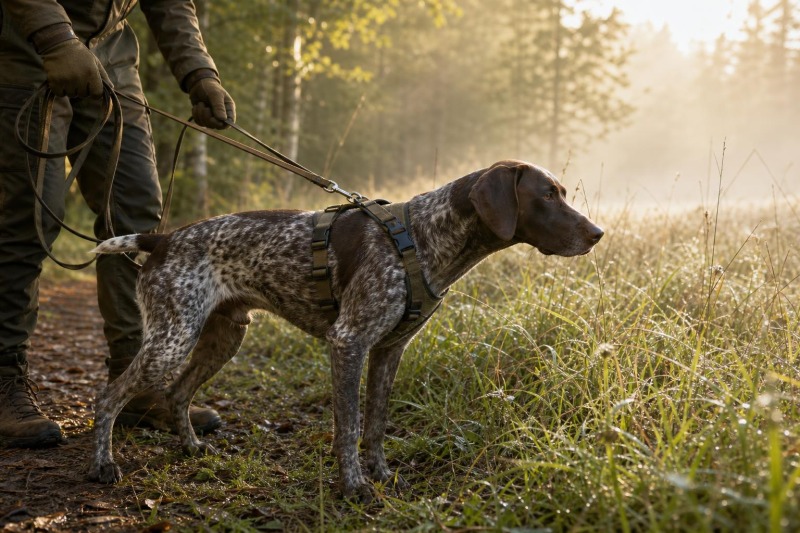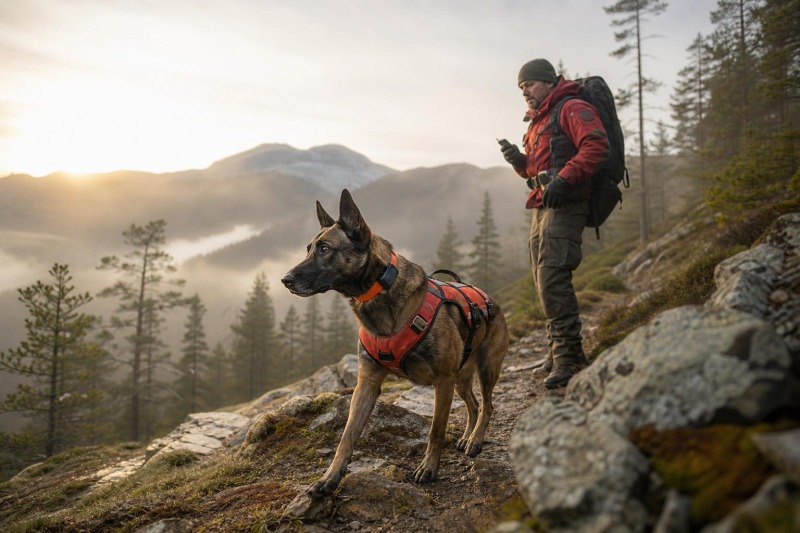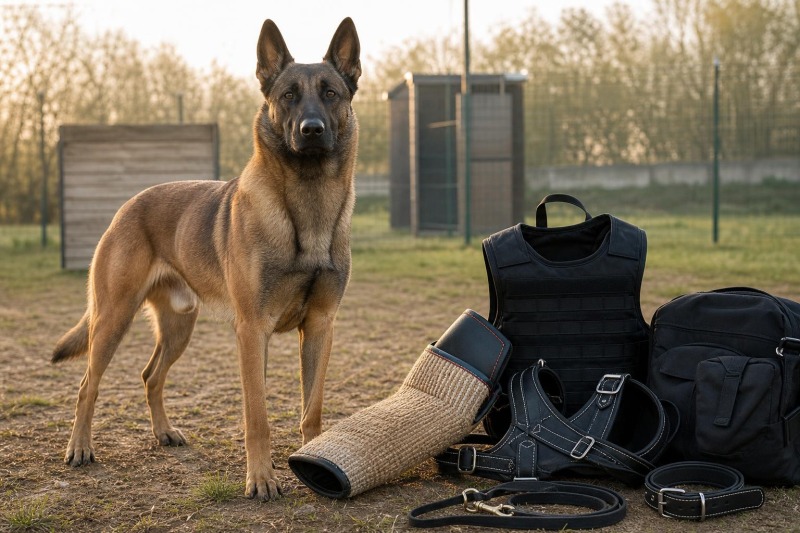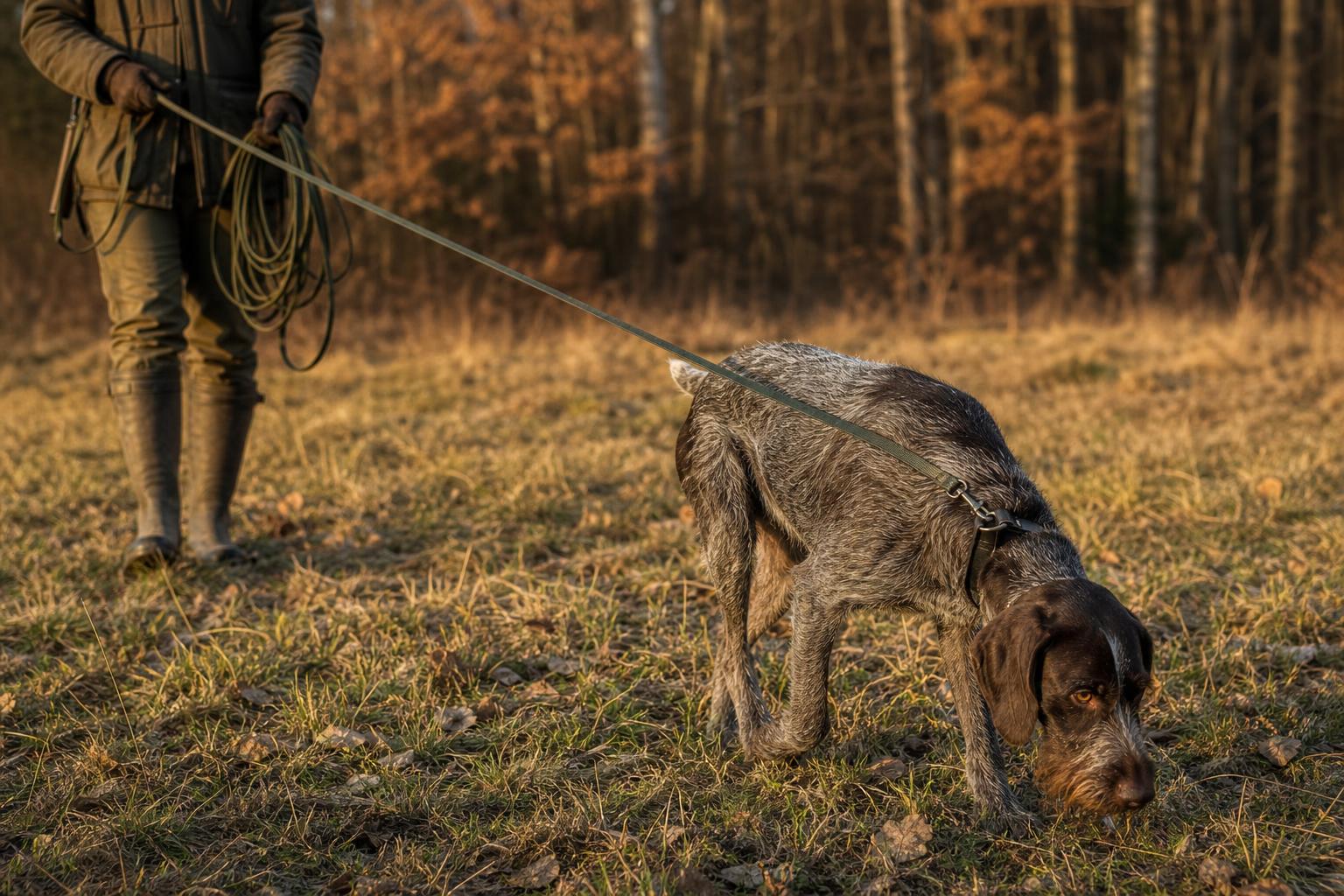
A tracking line connects the handler to the dog while passing through the ground they are working. Length, material, attachment, and handling technique all affect how freely the dog can move. The useful choice suits both the terrain and the exercise.
Tracking is already a demanding job. Scent shifts with moisture, wind, heat, and pressure from game or man. The last thing a dog needs is a line that pulls against his nose every time he tries to settle into scent.
Why the Right Tracking Lead Matters
A tracking dog needs freedom, but not chaos. That balance is where the long line earns its keep. In early work especially, the line lets a dog move independently while still giving the handler a measure of control. It allows correction without crowding, guidance without nagging, and safety without killing drive. For working dog owners, that is a valuable combination.
The lead also teaches the handler. A short leash can hide mistakes because the dog is never truly allowed to problem-solve. A proper long line exposes everything. You feel hesitation, commitment, overrun, and confusion through your hands before you can always see it in the dog’s body. There is a language in that tension. A dog that is honest on track tends to carry himself differently than a dog guessing his way forward. The line tells that story if you pay attention.
Freedom Without Losing Connection
A dog working scent needs space to cast, check, and drift back into odor. If you stay too close or hold too tight, you start influencing the dog more than the track does. That is when handlers create dependence. The dog begins looking back for answers instead of putting his nose down and sorting it out. A long line, properly used, keeps the partnership intact while allowing the dog to own the problem.
Choosing the Best Long Line for Tracking Work
Not all lines are made for the same work. A line that feels fine in the yard may become a nightmare in wet grass, briars, or cut corn. For tracking, the best leads are usually simple, sturdy, and smooth enough to move across ground cover without snagging at every step.
Length matters first. Many handlers settle on something in the 20- to 33-foot range for most training. A shorter line can work for very young dogs or tight environments, but it often limits natural movement. A longer line gives a dog room to work older or more difficult tracks, though it also demands more skill from the person holding it. In open country, longer can be useful. In thick brush or broken timber, too much line can turn into a burden in a hurry.
Material matters just as much. Biothane has become popular for good reason. It resists moisture, cleans easily, and slides better than many fabric leads. Leather has a traditional feel and can be excellent in capable hands, though it requires care and may grow heavy when wet. Rope lines can work, but some burn the hands badly or drag in ways that interrupt the dog. Cheap hardware should be avoided altogether. A weak snap has no place on a dog that may surge hard when scent gets hot.
Width, Weight, and Hardware
A tracking line should be heavy enough to feel dependable but not so bulky that it drags a smaller dog or constantly catches on brush. For medium to large working dogs, a moderate-width line with strong brass or stainless hardware usually gives the best balance. The snap should move freely and resist fouling with mud or debris. If the dog fights the snap or the line twists every few steps, both dog and handler will lose patience before the training has done much good.
How to Handle a Long Line in the Field
Owning a good line is one thing. Using it properly is another. This is where many handlers either help their dog or quietly sabotage him. The line should not stay tight all the time. Constant tension creates pressure, and pressure changes behavior. Some dogs fight it. Some shut down. Some simply start tracking the edge of the pressure instead of the actual scent picture.
What you want is soft contact and clean management. Let the dog move. Feed line when he commits forward. Gather it smoothly when terrain closes in or when he begins to drift too far. Avoid abrupt checks unless safety demands it. A hard jerk on a dog that is honestly working can make him associate scent work with conflict, and that is a lesson you may spend weeks trying to undo.
The dog was green but eager, nose buried deep, tail working steady. Every time he pushed into stronger scent, the handler tightened the line as if bracing for a runaway horse. Within fifty yards the dog started popping his head, second-guessing himself, and looking back. The track had not failed him. The line had. Once the pressure came off and the dog was allowed to stretch into the work, he settled and carried the line like he understood the job again.
Reading the Dog Through the Lead
A good handler does not just hold the line; he reads it. A dog in scent often creates purposeful, rhythmic pull. A dog losing the track may slow, feather side to side, or momentarily lighten the tension. A dog about to overrun a turn can feel different than one driving cleanly through it. Those details are easy to miss if your mind is fixed on the end of the track instead of the process under your feet.
Common Mistakes with Tracking Leads and Long Lines
The most common mistake is treating the long line like a brake instead of a bridge. When handlers worry too much about control, they end up working against the dog. The second mistake is poor line management. Loops around the wrist, excess line dropped carelessly, or delayed reactions in thick cover can become safety hazards fast. A strong working dog hitting the end of a tangled line can injure himself or the handler.
Another mistake is using the same line for every job without considering conditions. Dry pasture, swamp edge, pine plantation, and suburban grass strips all ask different things of gear. There is no shame in having more than one line suited to different ground. Serious working dog owners understand that equipment should match purpose.
Then there is the mistake of making the line do the training. The lead is there to support the lesson, not replace it. If a dog lacks track drive, confidence, or understanding, no fancy line fixes that. Good training still comes from clear setups, proper aging of tracks, fair progression, and enough repetition for the dog to learn success honestly.
Training Young Dogs with a Long Line
For young dogs, the line should introduce structure without stealing enthusiasm. Early tracking sessions ought to leave a dog wanting more. Keep the line from becoming a source of correction unless truly needed. Let the pup associate that equipment with hunting scent, moving out, and solving a problem with his nose.
As the dog matures, the line becomes a way to preserve standards. You can allow initiative while still preventing foolishness. You can let the dog work through contamination, turns, and difficult scent transitions while staying connected enough to know when he is tracking and when he is freelancing. That is a critical distinction in any working dog program.
Building Confidence Over Control
A confident dog on a long line is worth far more than a mechanically obedient dog that cannot think. Tracking demands independence. The best dogs learn that the answer is in the scent, not in the handler’s body language, voice, or leash pressure. Confidence grows when the handler trusts the dog enough to give him room, then steps in only when timing and fairness call for it.
There is a plain truth every experienced handler comes back to: simple gear, used well, beats fancy gear used poorly. A reliable tracking lead or long line will not make a dog, but it can absolutely help reveal one. It gives the dog room to hunt scent honestly and gives the handler a direct line into what the dog is telling him.
If you own working dogs and want better field performance, do not overlook this piece of equipment. Choose a line that fits your terrain, your dog, and your training goals. Then spend time learning how to handle it with calm hands and good judgment. In tracking, little things add up. The right line, carried the right way, can turn confusion into clarity one step at a time.